When people think about signs of aging, they often focus on the face. Fine lines around the eyes, wrinkles on the forehead, and changes in skin texture tend to receive the most attention. However, one area that frequently reveals the effects of aging even earlier than the face is the neck.
Loose skin, horizontal neck lines, reduced firmness, and the appearance of a "turkey neck" are concerns shared by many adults as they get older. While these changes are common and often a natural part of aging, several lifestyle factors may influence how quickly they develop.
The good news is that understanding why neck sagging occurs can help you make informed decisions about skin care, lifestyle habits, and overall wellness.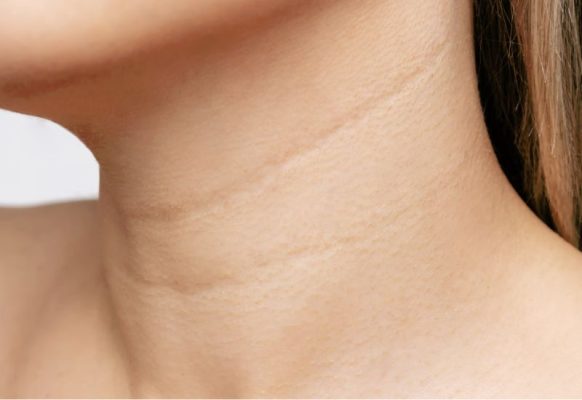
Why the Neck Ages Differently
The skin on the neck differs from the skin on many other parts of the body.
Characteristics of Neck Skin
-
Thinner than facial skin
-
Contains fewer oil glands
-
Frequently exposed to environmental factors
-
Experiences constant movement
These characteristics may make the neck more susceptible to visible signs of aging.
Why This Matters
As the skin changes over time, the neck often begins showing signs of aging before other areas.
Cause #1: Natural Aging
The most common reason for neck sagging is simply aging.
What Happens As We Age?
The body gradually produces less:
-
Collagen
-
Elastin
These proteins are responsible for maintaining skin firmness and elasticity.
The Result
Skin may become:
-
Less firm
-
Thinner
-
More prone to wrinkles
-
Less elastic
This process affects nearly everyone to some degree.
Understanding Collagen
Collagen is the most abundant structural protein in the body.
Its Functions Include
-
Providing skin support
-
Maintaining firmness
-
Supporting connective tissues
Collagen production naturally declines with age.
Understanding Elastin
Elastin helps skin return to its original shape after stretching.
When Elastin Declines
The skin may not bounce back as easily.
This contributes to sagging and loose skin.
Cause #2: Sun Exposure
Many people diligently apply sunscreen to their faces but forget about their necks.
Why This Matters
Ultraviolet (UV) radiation can accelerate skin aging.
Long-Term Sun Exposure May Contribute To
-
Wrinkles
-
Uneven pigmentation
-
Loss of elasticity
-
Sagging skin
This process is often referred to as photoaging.
The Neck Is Frequently Exposed
Even during everyday activities, the neck receives significant sun exposure.
Examples Include
-
Driving
-
Walking outdoors
-
Exercising outside
Over many years, this exposure accumulates.
Cause #3: Changes in Body Weight
Weight fluctuations can affect skin appearance.
When Weight Increases
Fat may accumulate beneath the chin and around the neck.
When Significant Weight Is Lost
The skin may not fully retract.
Possible Results
-
Loose skin
-
Reduced firmness
-
Changes in neck contour
The degree varies from person to person.
Cause #4: Genetics
Genetics play a major role in how skin ages.
Inherited Factors Influence
-
Skin thickness
-
Collagen production
-
Elasticity
-
Fat distribution
Some individuals maintain firmer neck skin longer than others despite similar lifestyles.
Cause #5: Poor Posture and "Tech Neck"
Modern technology has introduced a new concern often called "tech neck."
What Is Tech Neck?
It refers to repeated downward head positioning while using:
-
Smartphones
-
Tablets
-
Laptops
Why It Matters
Repeated folding of the neck may contribute to:
-
Horizontal neck lines
-
Skin creasing
-
Muscle strain
Although posture alone does not cause all neck aging, it may contribute over time.
Cause #6: Smoking
Smoking affects the skin in numerous ways.
It May
-
Reduce blood flow
-
Increase oxidative stress
-
Accelerate collagen breakdown
These effects may contribute to premature aging.
Smoking and Skin Appearance
Research consistently associates smoking with:
-
Wrinkles
-
Reduced elasticity
-
Earlier visible signs of aging
Cause #7: Dehydration and Skin Care Habits
Hydration alone cannot prevent neck sagging.
However, overall skin health may be influenced by hydration and skin care practices.
Skin Benefits From
-
Adequate hydration
-
Moisturization
-
Sun protection
Healthy habits support the skin's natural barrier function.
Common Signs of Neck Aging
Neck aging can appear in several ways.
Common Examples
-
Loose skin
-
Fine lines
-
Horizontal neck bands
-
Wrinkles
-
Reduced firmness
-
Changes beneath the chin
These changes often develop gradually.
What Can You Do About Neck Sagging?
While aging cannot be completely prevented, several habits may help support skin health.
1. Protect Your Neck From the Sun
Sun protection is one of the most important steps.
Consider
-
Sunscreen
-
Protective clothing
-
Wide-brimmed hats
Apply Sunscreen To
-
Face
-
Neck
-
Chest
Many people forget the last two areas.
2. Follow a Consistent Skin Care Routine
The neck deserves the same attention as the face.
Basic Skin Care May Include
-
Gentle cleansing
-
Moisturizing
-
Sun protection
Some people also use products containing ingredients that support skin renewal.
3. Maintain Healthy Lifestyle Habits
Overall health influences skin health.
Helpful Habits Include
-
Balanced nutrition
-
Regular exercise
-
Adequate sleep
-
Stress management
These habits support the body as a whole.
4. Avoid Smoking
Avoiding tobacco products benefits nearly every aspect of health, including skin appearance.
5. Improve Posture
Good posture may help reduce repetitive neck folding.
Practical Tips
-
Hold devices at eye level
-
Take screen breaks
-
Stretch regularly
Small changes may help reduce strain.
6. Maintain a Stable Weight
Avoiding frequent large weight fluctuations may help support skin elasticity over time.
Foods That Support Healthy Skin
No food can eliminate neck sagging.
However, certain nutrients support overall skin health.
Examples Include
-
Fruits
-
Vegetables
-
Nuts
-
Seeds
-
Fatty fish
Key Nutrients
-
Vitamin C
-
Vitamin E
-
Protein
-
Healthy fats
These nutrients contribute to normal skin function.
Common Myths About Neck Sagging
Myth 1: Neck Sagging Only Happens to Older Adults
Lifestyle factors and genetics can influence when changes begin.
Myth 2: Expensive Products Can Completely Reverse Aging
No skincare product can stop aging entirely.
Myth 3: Neck Exercises Alone Eliminate Loose Skin
Exercise may improve muscle tone, but results vary.
Myth 4: Neck Aging Is Entirely Preventable
Aging is natural and affects everyone eventually.
When to Consult a Professional
Most neck sagging is a cosmetic concern rather than a medical problem.
However, it may be helpful to seek professional advice if you notice:
Sudden Changes Such As
-
Rapid swelling
-
Unusual lumps
-
Persistent discomfort
-
Difficulty swallowing
These symptoms require proper evaluation.
The Importance of Realistic Expectations
Many advertisements promise dramatic transformations.
The Reality
Healthy skin depends on:
-
Genetics
-
Lifestyle
-
Age
-
Environmental exposures
No single treatment provides perfect results.
Consistency usually matters more than quick fixes.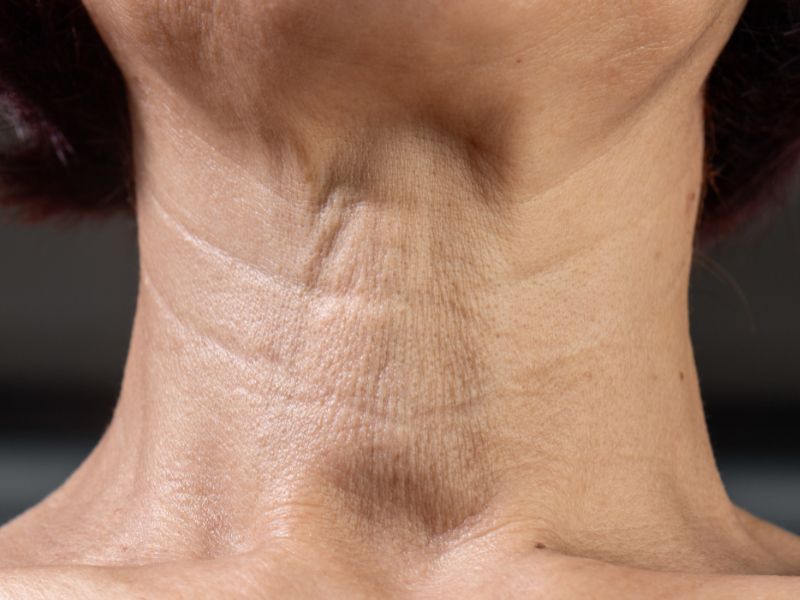
Final Thoughts
Neck sagging is a common part of aging that results from a combination of factors including collagen loss, sun exposure, genetics, weight changes, and lifestyle habits. While these changes are natural, there are steps that may help support skin health and slow the appearance of visible aging. Protecting the skin from sun damage, maintaining healthy habits, practicing good posture, and following a consistent skincare routine can all contribute to healthier-looking skin over time.
Perhaps the most important thing to remember is that aging is a normal biological process. Rather than chasing perfection, focusing on healthy habits and realistic expectations can help you care for your skin while embracing the changes that come with time.