
11 Honey Remedies That May Help Support Your Health Naturally
Discover 11 Time-Honored Honey Remedies for Everyday Wellness
Health 02/08/2026 01:39
Nuts have long been recognized as one of the most nutrient-dense foods available. Whether enjoyed as a snack, added to salads, blended into smoothies, or used in cooking, they provide a unique combination of healthy fats, plant-based protein, fiber, vitamins, minerals, and antioxidants.
Despite their excellent nutritional profile, nuts are often surrounded by conflicting information. Some people avoid them because they are high in calories, while others believe eating unlimited amounts is always healthy. Social media has also spread misleading claims that certain nuts can "cure" diseases or, conversely, that they are harmful to the liver or heart.
The truth is much more balanced. For most people, nuts are a healthy addition to a balanced diet when eaten in appropriate portions. Understanding both their benefits and potential risks can help you make informed dietary choices.
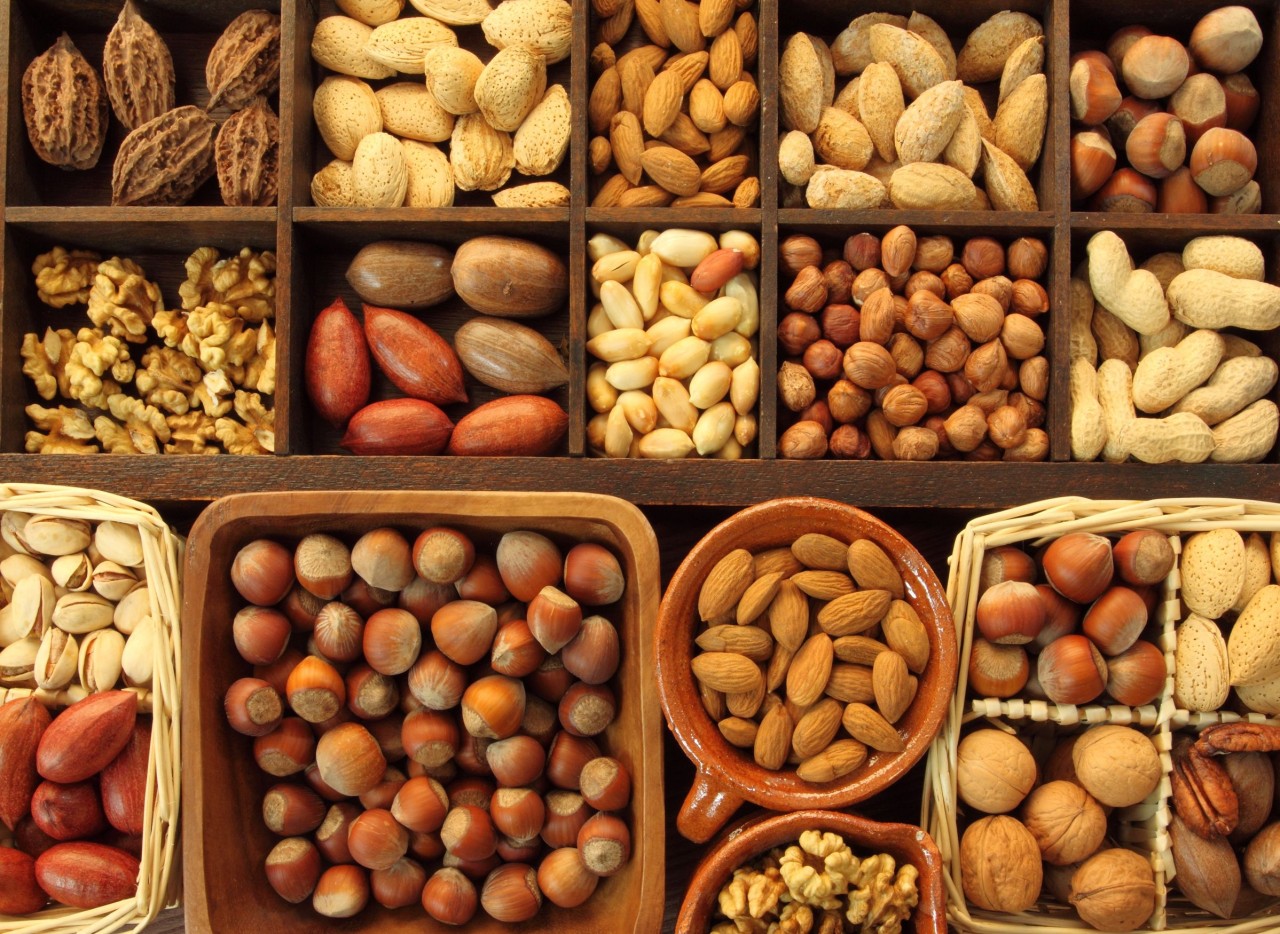
Although different varieties have slightly different nutrient profiles, most nuts provide:
Healthy unsaturated fats
Plant-based protein
Dietary fiber
Vitamin E
Magnesium
Potassium
Copper
Manganese
Selenium (especially Brazil nuts)
Antioxidants and plant compounds
These nutrients work together to support many aspects of health.
One of the best-established benefits of nuts is their role in supporting cardiovascular health.
Most nuts are rich in monounsaturated and polyunsaturated fats, which can help improve overall diet quality when they replace foods high in saturated fat.
Research suggests that people who regularly consume moderate amounts of nuts as part of a healthy dietary pattern may have a lower risk of cardiovascular disease.
Nuts also provide:
Fiber
Magnesium
Plant sterols
Antioxidants
Together, these nutrients support normal heart function and healthy cholesterol levels.
Protein plays an important role in:
Building and repairing tissues
Supporting immune function
Producing enzymes and hormones
Maintaining muscle mass
Although nuts generally contain less protein than meat, fish, eggs, or dairy, they are valuable plant-based protein sources, especially for people following vegetarian or plant-forward diets.
Examples include:
Almonds
Pistachios
Peanuts (technically legumes but nutritionally similar)
Cashews
Unlike foods high in saturated fats, most nuts contain predominantly unsaturated fats.
These healthy fats contribute to:
Cell membrane structure
Brain function
Hormone production
Absorption of fat-soluble vitamins
Replacing highly processed snacks with nuts may improve the overall quality of your diet.
Fiber is essential for digestive health.
Nuts contribute dietary fiber that may help:
Promote regular bowel movements
Support beneficial gut bacteria
Increase feelings of fullness
Support healthy blood sugar management
Most adults do not consume enough fiber, making nuts a convenient way to increase daily intake.
Different nuts provide different nutrients.
For example:
Rich in:
Vitamin E
Magnesium
Calcium
Provide:
Alpha-linolenic acid (ALA), a plant omega-3 fatty acid
Copper
Manganese
Extremely rich in selenium.
Just one or two Brazil nuts may provide the recommended daily intake of selenium.
Contain:
Potassium
Vitamin B6
Fiber
Eating a variety of nuts helps provide a broader range of nutrients.
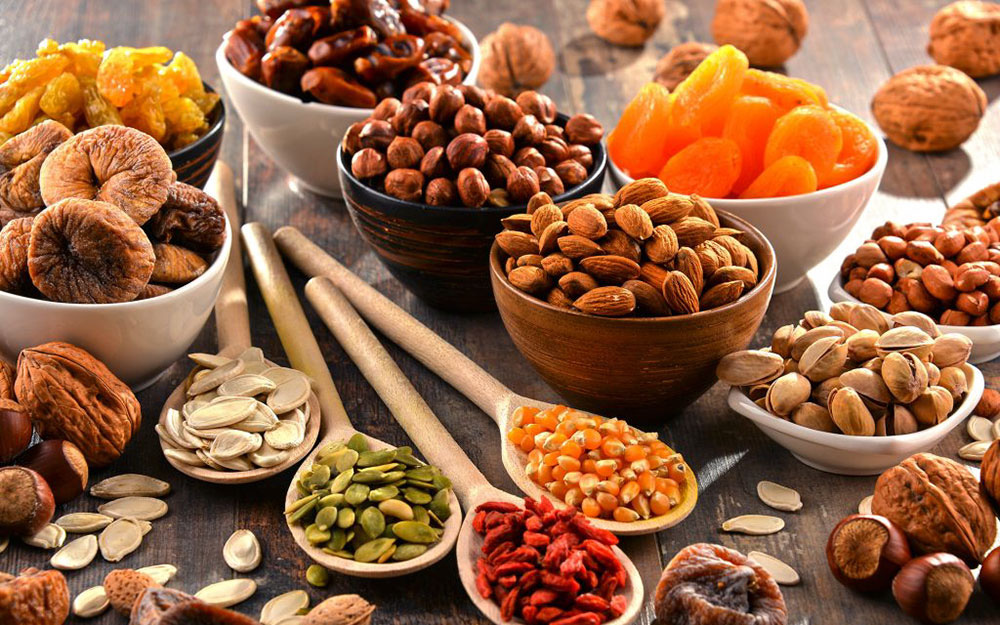
Although nuts are calorie-dense, research suggests that moderate nut consumption does not necessarily lead to weight gain.
Possible reasons include:
High protein content
Fiber that promotes fullness
Healthy fats that increase satiety
Some fat may not be fully absorbed during digestion
Replacing less nutritious snacks with a small handful of nuts may support healthy eating habits.
Many nuts contain antioxidants that help protect cells from oxidative stress.
Vitamin E is one of the best-known antioxidants found in nuts.
Walnuts, pecans, and hazelnuts also contain numerous polyphenols.
A diet rich in antioxidant-containing foods supports overall health, although no single food can prevent disease.
Each type of nut offers unique nutritional strengths.
High in vitamin E
Good source of calcium
Rich in magnesium
Highest among common nuts in plant-based omega-3 fats
Rich in polyphenols
Higher in potassium than many other nuts
Good source of vitamin B6
Rich in copper
Provide iron and zinc
High in antioxidants
Rich in healthy fats
Outstanding source of selenium
Should be eaten in moderation due to their very high selenium content
Although nuts are highly nutritious, there are some important points to remember.
Nuts are naturally calorie-dense.
A typical serving is approximately 28 grams (1 ounce)—about one small handful.
Eating several large handfuls every day can significantly increase calorie intake.
Moderation remains important.
Many commercial nut products contain:
Excess sodium
Added sugars
Chocolate coatings
Honey glazes
Artificial flavorings
For the greatest nutritional benefit, choose:
Raw nuts
Dry-roasted nuts
Unsalted or lightly salted varieties
Tree nut and peanut allergies are among the most common food allergies worldwide.
Symptoms may include:
Hives
Swelling
Difficulty breathing
Anaphylaxis
Individuals with known allergies should strictly avoid the nuts that trigger their reactions and carry emergency medication if prescribed.
Because nuts contain healthy oils, they can become rancid if stored improperly.
Store nuts:
In airtight containers
Away from heat and sunlight
In the refrigerator or freezer for long-term storage
Discard nuts that develop an unusual smell, taste, or signs of mold.
Fact: Moderate nut consumption can fit into a healthy diet and has not consistently been associated with weight gain when replacing less nutritious foods.
Fact: Replacing foods high in saturated fat with nuts may help support healthy cholesterol levels as part of an overall heart-healthy diet.
Fact: Brazil nuts contain very high amounts of selenium. Eating excessive quantities regularly may lead to selenium toxicity.
Fact: Dry roasting may slightly reduce some heat-sensitive nutrients, but roasted nuts remain nutritious.
Fact: Natural nut butters containing only nuts (and sometimes a small amount of salt) can be part of a healthy diet. Products with large amounts of added sugar or hydrogenated oils are less nutritious.
Healthy ways to enjoy nuts include:
Add chopped almonds to oatmeal.
Sprinkle walnuts over salads.
Mix pistachios into yogurt.
Snack on a small handful between meals.
Blend cashews into creamy soups.
Spread natural peanut or almond butter on whole-grain toast.
Add chopped pecans to roasted vegetables.
These simple additions can improve both flavor and nutritional value.
Some people may need individualized advice regarding nut consumption, including:
Individuals with tree nut or peanut allergies.
People with chronic kidney disease who require certain mineral restrictions.
Those following calorie-controlled diets who need guidance on portion sizes.
A healthcare provider or registered dietitian can help tailor recommendations to individual needs.
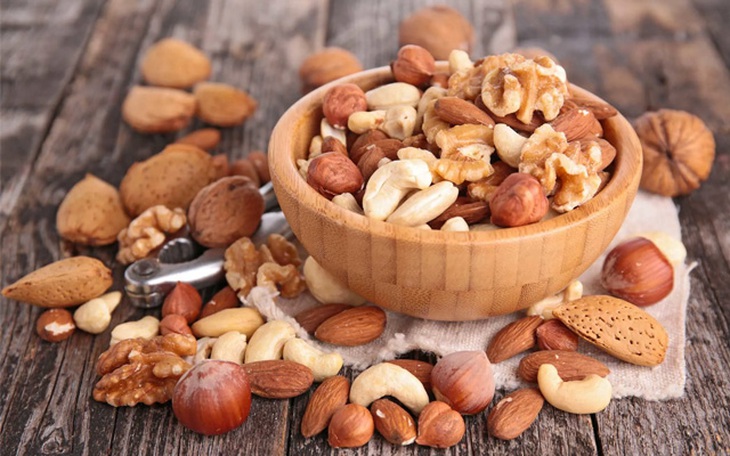
Nuts are among the most nutritious foods you can include in your diet. They provide healthy unsaturated fats, plant-based protein, fiber, vitamins, minerals, and antioxidants that support heart health, digestive health, healthy aging, and overall nutrition. Regularly eating moderate portions of a variety of nuts has been associated with numerous health benefits when they are part of a balanced dietary pattern.
At the same time, it is important to remember that nuts are calorie-dense, some varieties contain exceptionally high amounts of certain nutrients such as selenium, and processed products may include excess salt or added sugar. People with nut allergies should avoid the nuts that trigger their reactions, and everyone should store nuts properly to maintain freshness and food safety.
Rather than thinking of nuts as either a miracle food or something to avoid, view them as one component of a healthy lifestyle that also includes plenty of fruits, vegetables, whole grains, legumes, lean proteins, regular physical activity, and adequate sleep. Consistency and variety remain the foundation of long-term health.
Discover 11 Time-Honored Honey Remedies for Everyday Wellness
Want More Iron in Your Diet? These Heart-Healthy Vegetables Are Worth Adding

Understanding Kidney Disease: 6 Foot Symptoms That Shouldn't Be Ignored
6 Common Symptoms That May Indicate an Impacted Wisdom Tooth

Onions, Uric Acid, and Stroke Prevention: What Research Says

Smart bedtime drink choices may support better heart and vascular health.
🧠 What Does Eating Peanuts Really Do to Your Body? Here’s What Experts Want You to Know

🌙 You Wake Up at 3 or 4 A.M. for a Reason — But It May Not Be What You Think…

👀 What You Pour Down the Kitchen Sink Matters More Than You Think…

Before You Reach for Ginger, Check These 5 Health Conditions First

Persistent vomiting in children should never be ignored or self-treated.

A daily avocado may offer surprising health benefits when eaten wisely.

Your Swollen Feet Could Be Missing These 5 Essential Nutrients

Some morning symptoms deserve attention, but they are not cancer-specific.

❤️ These Everyday Foods Can Help Support Healthy Arteries — Here’s What to Add to Your Meals

⚠️🍌 Do You Eat Bananas Before Sleeping? Here’s What Health Experts Say… See More 👇

😰 If You Notice These Changes in Your Hands, It May Be Time to Pay Attention to Your Health
Doctors Warn This “Bitter Vegetable” May Be More Toxic Than Arsenic If Eaten Incorrectly

Think Twice Before Serving Tilapia to Your Family. The Reason Behind It Is Shocking
Discover 11 Time-Honored Honey Remedies for Everyday Wellness

Air Conditioner Fan Speed: Is High or Low the Better Choice?
Want More Iron in Your Diet? These Heart-Healthy Vegetables Are Worth Adding
Understanding Kidney Disease: 6 Foot Symptoms That Shouldn't Be Ignored

A Step-by-Step Guide to Treating Mold and Peeling Paint on Walls
6 Common Symptoms That May Indicate an Impacted Wisdom Tooth
Onions, Uric Acid, and Stroke Prevention: What Research Says
Smart bedtime drink choices may support better heart and vascular health.
🧠 What Does Eating Peanuts Really Do to Your Body? Here’s What Experts Want You to Know
🌙 You Wake Up at 3 or 4 A.M. for a Reason — But It May Not Be What You Think…
👀 What You Pour Down the Kitchen Sink Matters More Than You Think…

⚠️ If You Do This After Cooking, You Could Be Shortening the Life of Your Pipes…
Before You Reach for Ginger, Check These 5 Health Conditions First
Persistent vomiting in children should never be ignored or self-treated.
A daily avocado may offer surprising health benefits when eaten wisely.
Your Swollen Feet Could Be Missing These 5 Essential Nutrients

That decorative cloth serves more than just an attractive hotel room design.
Some morning symptoms deserve attention, but they are not cancer-specific.
❤️ These Everyday Foods Can Help Support Healthy Arteries — Here’s What to Add to Your Meals