Can a Vegetable “Eat” Sugar in the Body? What Experts Really Say
Beans and other fiber-rich vegetables may help control blood sugar—but can any food really “eat” the sugar inside your body?
A warm bowl of beans simmered in a rich tomato sauce may look like an ordinary homemade meal. Yet the image accompanying this claim makes a remarkable promise: a vegetable that supposedly eats all the sugar in the body and acts as a powerful enemy of diabetes. It is an appealing idea, especially for people who are worried about high blood sugar. But the real explanation is both more useful and more interesting than the viral headline suggests.
The food shown appears to be a bean-based dish. Beans can indeed be part of a healthy eating pattern for people managing blood glucose. They contain fiber, plant protein and slowly digested carbohydrates, which can help moderate the rise in blood sugar after a meal. However, they do not travel through the bloodstream consuming glucose, nor can they erase diabetes or replace prescribed treatment.
To understand what this humble bowl can—and cannot—do, we need to look at how the body handles sugar, why beans are different from many refined carbohydrate foods, and how to build meals that support steadier glucose levels. The distinction matters: a realistic understanding can help people make better everyday choices without falling for miracle-food promises.
The Food in the Picture: Why Beans Deserve Attention
The dish in the photograph appears to contain cooked beans in a thick, reddish sauce, possibly prepared with tomatoes, herbs and seasonings. Although the exact ingredients cannot be confirmed from the image alone, beans are the most noticeable component.
Beans are sometimes described as vegetables in everyday conversation, but botanically and nutritionally they belong to the legume family. This distinction is useful because legumes have a nutritional profile that makes them particularly interesting for blood sugar management.
Unlike foods made mostly from refined starch or added sugar, beans provide a combination of complex carbohydrates, dietary fiber and plant-based protein. They also contain minerals and other nutrients that support general health.
The important point is not that beans somehow absorb sugar from the bloodstream. Instead, their fiber and overall nutritional composition can influence how quickly carbohydrates are digested and how glucose enters the blood after eating.
That difference may sound small, but it changes the entire meaning of the headline. Beans are not a natural diabetes cure. They are a practical food that can help support a healthier eating pattern.
Why beans are different from many other carbohydrate foods
Carbohydrates are not all processed by the body in exactly the same way. A sweetened drink, a piece of white bread, a serving of white rice and a bowl of beans may all contain carbohydrates, but they differ in their fiber content, structure, protein content and effect on digestion.
A sugary drink contains carbohydrates that are readily available for absorption. Because it contains little or no fiber, it can be consumed quickly and may cause blood glucose to rise rapidly.
Beans are different. Their carbohydrate content is accompanied by substantial fiber and some protein. These components contribute to a slower digestive process and can make a meal more filling.
This does not mean beans contain no carbohydrates. They do, and those carbohydrates still count as part of a person's total carbohydrate intake. However, the presence of fiber and protein makes beans a more nutritious choice than many highly refined alternatives.
For someone who enjoys rice, bread or noodles, adding beans to meals may be one way to improve the overall nutritional balance without abandoning familiar foods.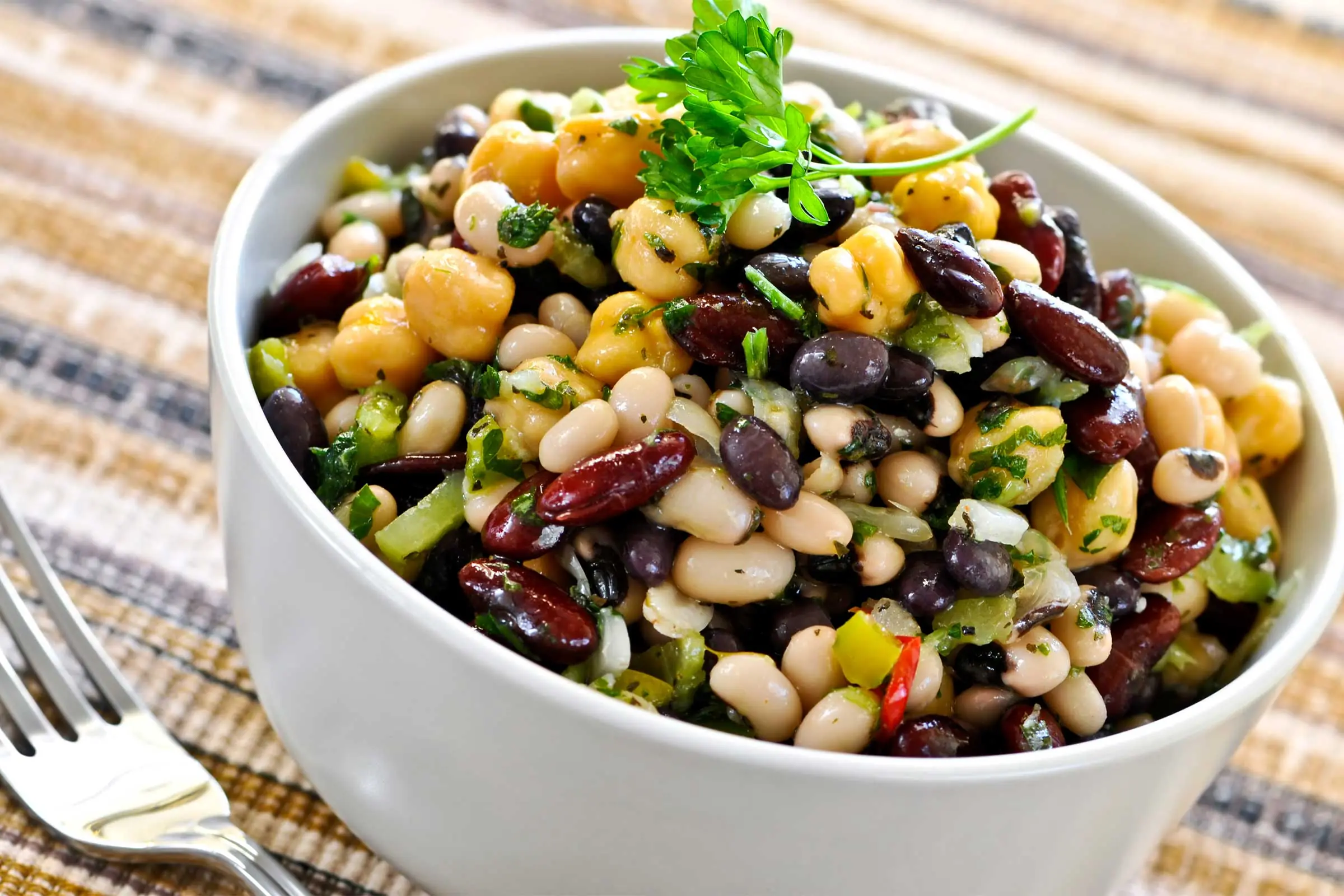
The fiber inside beans matters
Dietary fiber is one of the most important reasons beans are frequently recommended in healthy eating plans.
Fiber is a type of carbohydrate that the body does not fully digest. Unlike many other carbohydrates, it does not break down into glucose in the same way. Some types of fiber absorb water and form a gel-like substance during digestion. This can slow the movement of food through the digestive system and influence how quickly nutrients are absorbed.
Beans contain both soluble and insoluble fiber.
Soluble fiber dissolves in water and can form a gel-like material. This may slow digestion and help moderate the rise in blood glucose after a meal. It is also associated with benefits for cholesterol levels.
Insoluble fiber does not dissolve in water in the same way. It contributes to stool bulk and supports regular bowel movements.
Both types have a place in a healthy diet.
The amount of fiber in beans varies depending on the variety, preparation method and serving size. Kidney beans, black beans, chickpeas, navy beans, pinto beans and lentils all provide fiber, although their exact nutritional values are not identical.
This is why eating a variety of legumes can be a useful strategy. Instead of relying on one supposedly special food, people can benefit from different sources of fiber throughout the week.
Fiber does not simply cancel out carbohydrates
One misunderstanding about high-fiber foods is the belief that fiber cancels out all the carbohydrates in a meal.
That is not an accurate way to think about nutrition.
Beans still contain digestible carbohydrates. When those carbohydrates are broken down, glucose can enter the bloodstream. Fiber may influence the speed and pattern of digestion, but it does not make the carbohydrate content disappear.
For people who monitor their blood glucose or count carbohydrates, this distinction is important. A bowl of beans should not automatically be treated as a food that has no effect on blood sugar.
The amount eaten also matters. A small serving included in a balanced meal may have a different effect from a very large portion eaten with several other carbohydrate-rich foods.
The preparation method matters as well. Beans cooked with vegetables and moderate amounts of oil are different from beans prepared with large amounts of sugar, syrup or sweetened sauce.
A healthy ingredient can become part of a less balanced dish when it is combined with excessive added sugar, salt or saturated fat.
Chapter 2: How Blood Sugar Works Inside the Body
To understand why beans may help, it is necessary to understand what happens after a person eats.
Blood sugar, also known as blood glucose, is the amount of glucose circulating in the bloodstream. Glucose is an important source of energy for the body's cells, including those in the brain and muscles.
Much of the glucose in the blood comes from carbohydrates in food. During digestion, the body breaks down digestible carbohydrates into smaller molecules, including glucose. That glucose enters the bloodstream and becomes available for the body to use.
However, glucose cannot simply move into every cell whenever it appears in the blood. The hormone insulin plays an essential role in helping the body manage it.
The role of insulin
Insulin is produced by specialized cells in the pancreas. When blood glucose rises after a meal, the pancreas releases insulin into the bloodstream.
Insulin helps glucose move from the blood into cells, where it can be used for energy or stored for later use. It also signals the liver to regulate its release and storage of glucose.
This process is part of the body's normal system for maintaining a relatively stable blood glucose level.
In a healthy metabolic system, insulin and other hormones work together to balance the amount of glucose entering the blood with the amount being used or stored.
The process is more complicated than simply switching sugar on or off. Blood glucose changes throughout the day in response to meals, physical activity, sleep, stress, illness and many other factors.
What happens in diabetes?
Diabetes is a condition in which blood glucose remains higher than it should because the body does not produce enough insulin, cannot use insulin effectively, or experiences a combination of these problems.