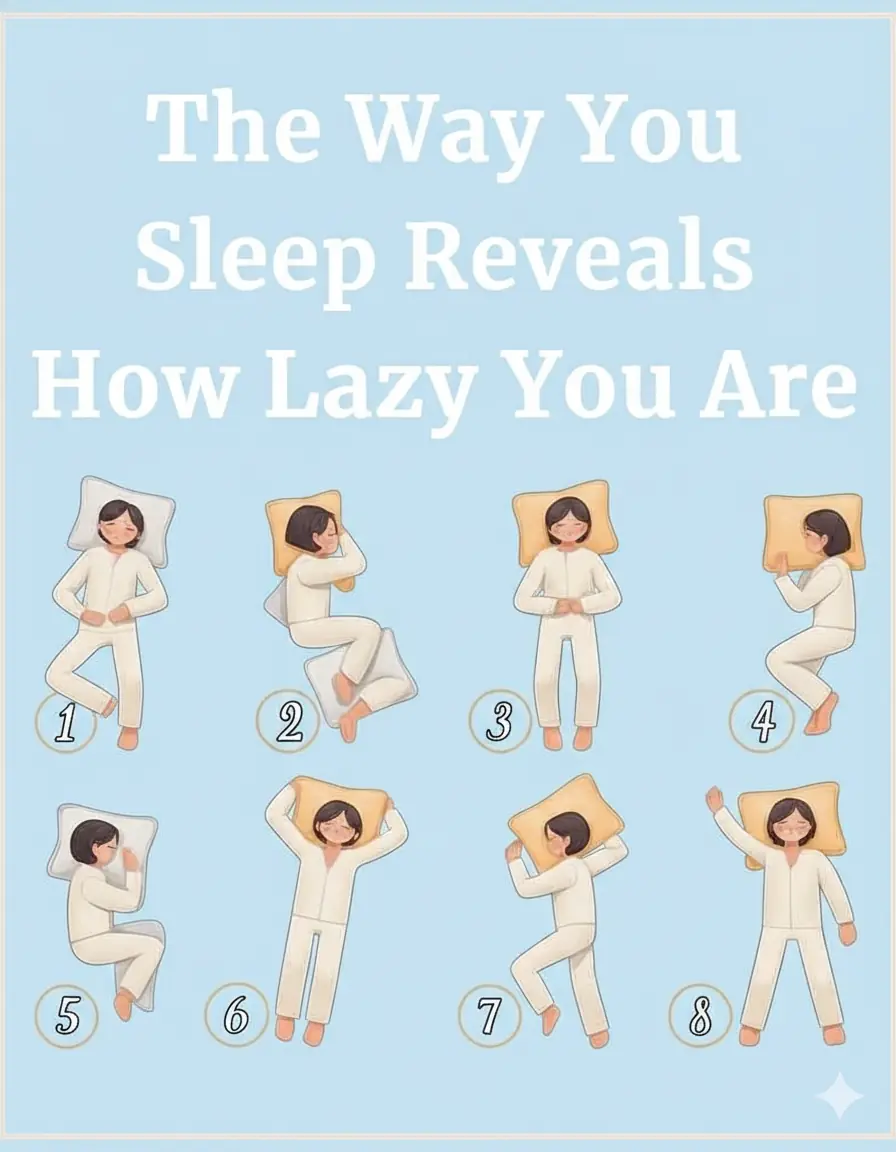
What Your Sleeping Position May Reveal About Your Personality
Most of us fall asleep in the same position every night without thinking much about it. Yet sleep experts and psychologists suggest that the way you naturally sleep may reflect deeper aspects of your personality, emotional needs, and interpersonal style. While sleeping positions are not a scientific diagnosis of who you are, they can offer fascinating insight into your subconscious habits and tendencies.
Below are the most common sleeping positions and what they may reveal about your personality.
1. The Fetal Position
The fetal position involves sleeping on your side with your knees drawn toward your chest, often curled up tightly. This is one of the most common sleeping positions worldwide.
People who prefer this position are often:
-
Emotionally sensitive
-
Introverted or reserved at first
-
In need of comfort and security
Although they may appear tough or guarded on the outside, fetal sleepers tend to have a soft, vulnerable inner world and value emotional safety.
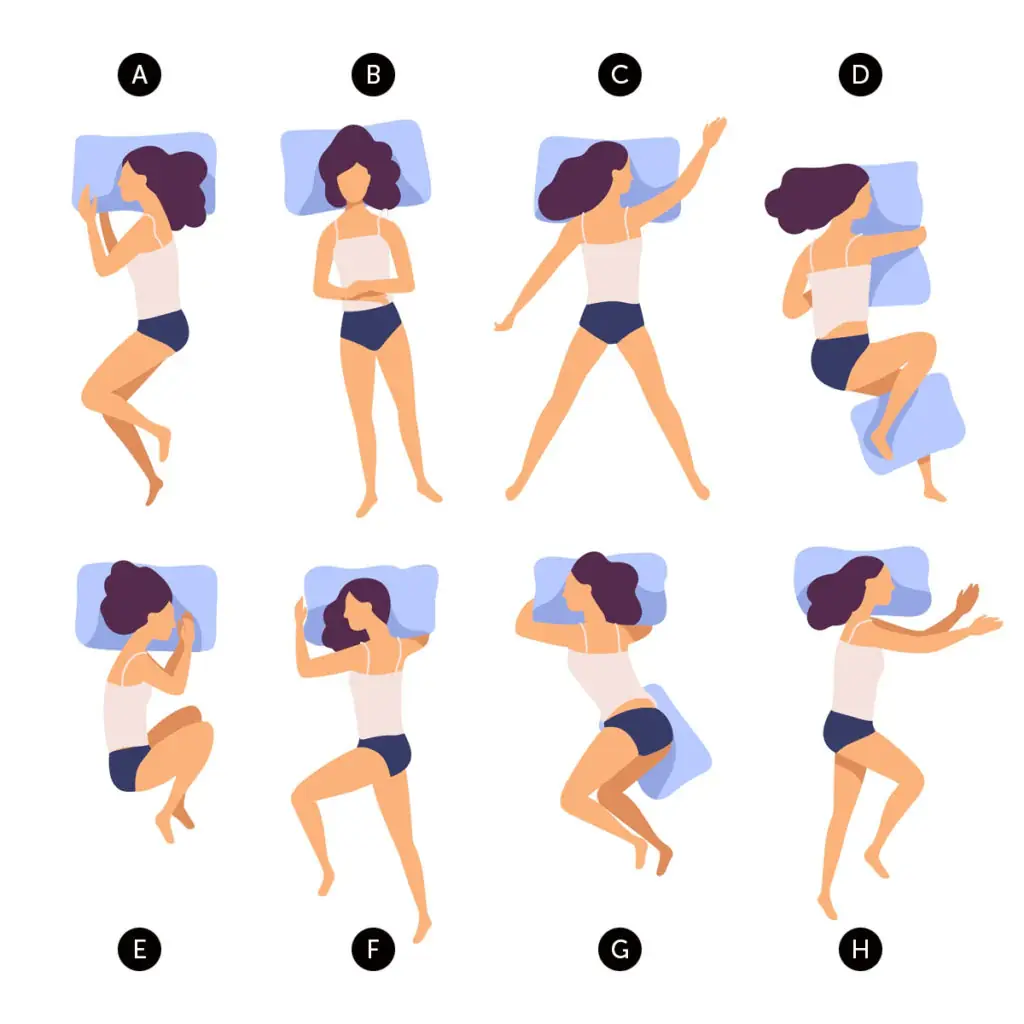
2. The Yearner (Side Sleeping With Arms Extended)
Yearners sleep on their side with both arms stretched out in front of them.
This position is often associated with people who are:
-
Open-minded and curious
-
Thoughtful decision-makers
-
Cautious when it comes to trust
Yearners may take time to commit or fully trust others, but once they do, they are usually loyal and dependable.
3. Stomach Sleeping (The Freefall Position)
Stomach sleepers lie face-down with their head turned to one side, often hugging a pillow or stretching their arms upward.
This position may suggest someone who:
-
Appears confident and sociable
-
Enjoys being in control
-
Is sensitive to criticism beneath the surface
Freefall sleepers often project boldness, but they may feel uncomfortable with uncertainty or loss of control.

4. Back Sleeping
Sleeping flat on the back, with arms at the sides or resting on the stomach, is commonly associated with calm confidence.
People who sleep on their backs may be:
-
Self-assured and composed
-
Comfortable with leadership roles
-
Resilient under pressure
They often have high standards for themselves and others and tend to face challenges head-on.
5. The Starfish Position
Starfish sleepers lie on their back with arms and legs spread outward.
This position is often linked to individuals who are:
-
Generous and selfless
-
Good listeners
-
Supportive friends or family members
Starfish sleepers usually value relationships deeply and are willing to put others’ needs before their own
Sleeping Positions and Relationships
The way couples sleep together can also reveal aspects of their emotional connection:
-
Spooning suggests intimacy, protection, and emotional closeness.
-
Back-to-back (Liberty Lovers) indicates a healthy balance of independence and trust.
-
Head on partner’s chest (Nuzzle) reflects comfort, reassurance, and emotional bonding.
-
The Chase combines playfulness with a desire for both closeness and personal space.
These positions often change over time as relationships evolve, reflecting shifts in emotional needs.
Health Matters Too
Beyond personality, sleeping positions also affect physical health. Side sleeping may help reduce snoring and acid reflux, while back sleeping can worsen sleep apnea for some people. Stomach sleeping may strain the neck and spine over time.
This shows that comfort, habit, health, and personality all play a role in how we sleep.
Final Thoughts
While sleeping positions don’t definitively define personality, they offer an intriguing glimpse into how our subconscious expresses comfort, emotion, and security. Our sleep posture can change with stress, life events, or physical needs — meaning it reflects who we are in the moment, not just who we are overall.
Sometimes, the smallest habits — like how we sleep — can quietly tell a bigger story about us.