Watercress is also known as watercress, watercress, watercress..., with the scientific name: Nasturtium officinale or Nasturtium microphyllum, is a type of aquatic or semi-aquatic plant with a pungent, spicy smell.
According to a recent study published in The British Journal of Nutrition (UK), eating about 100g of watercress per day can prevent breast cancer and many other cancers.
Watercress is also known as watercress, watercress, watercress..., with the scientific name: Nasturtium officinale or Nasturtium microphyllum, is a type of aquatic or semi-aquatic plant with a pungent, spicy smell.
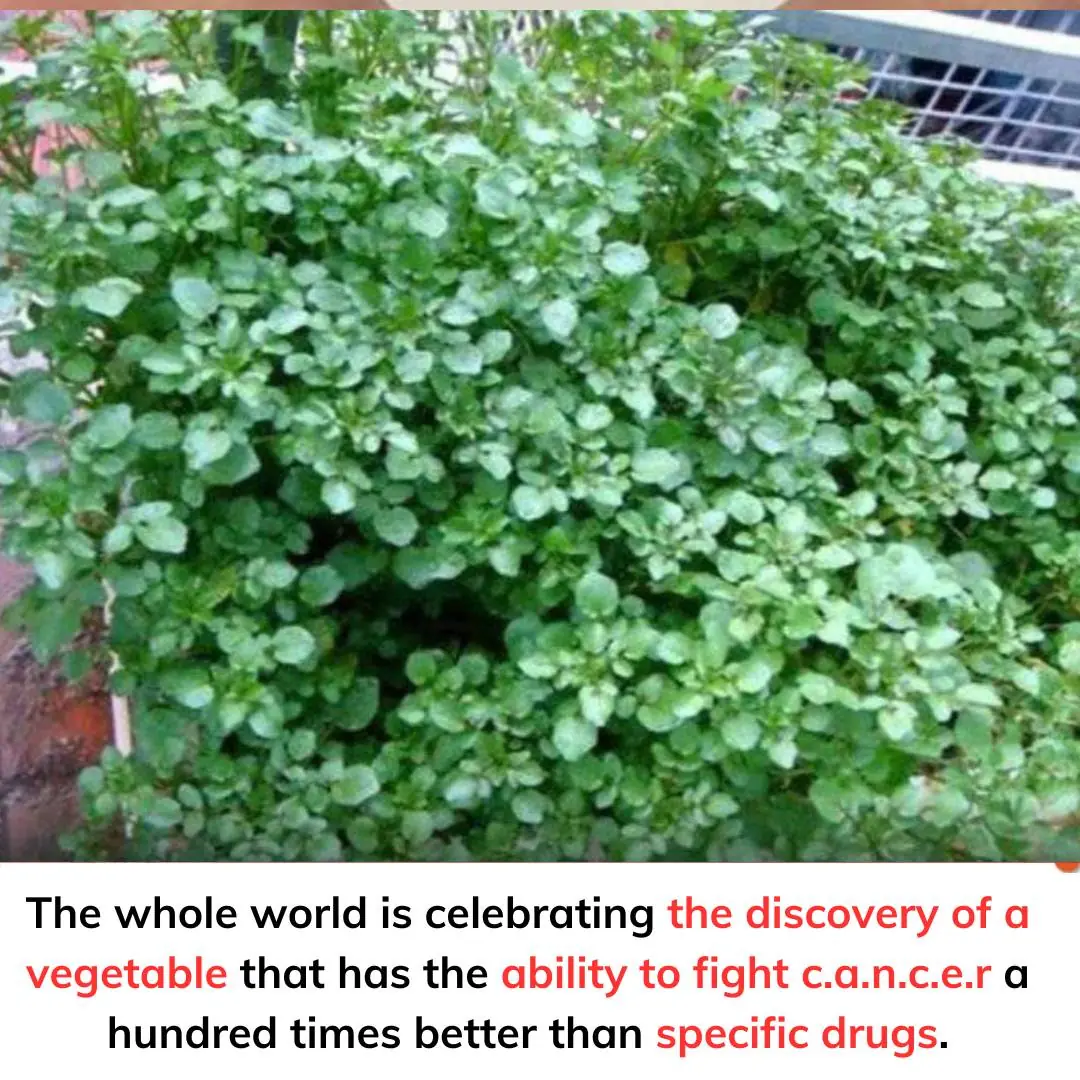
Watercress is a very good vegetable used to cook soup or stir-fry or make a delicious and healthy salad because watercress contains a rich amount of vitamin C, vitamins A, B1, B2 and many minerals and fiber.
According to Oriental medicine, watercress is cold, slightly bitter and pungent, has diuretic effects, helps digestion, detoxifies... used to treat urinary retention, freckles, supports the treatment of tuberculosis, diabetes, helps prevent goiter, anti-aging...
In addition, watercress also helps with anti-oxidation, anti-toxicity, increases the body's resistance, prevents pathological aging, maintains youthfulness and is especially used to treat kidney and gallstones.
Watercress has the effect of appetizing, nourishing, stimulating digestion, providing minerals for the body, preventing anemia, preventing scurvy, purifying blood, diuretic, reducing blood sugar, treating cough. It also causes sweating, treats worms and detoxifies nicotine.
Anti-cancer effects of watercress
A great use of watercress that very few people know about is its ability to fight cancer.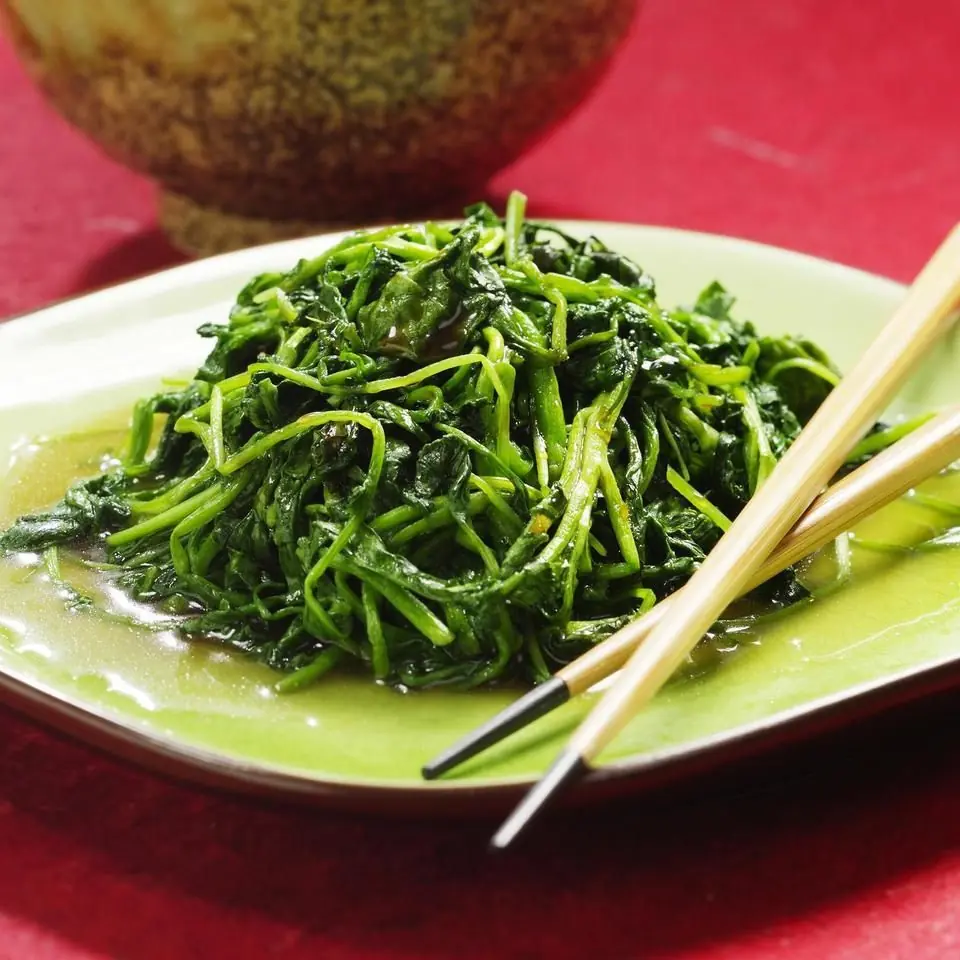
The anti-cancer benefits of watercress are due to its ability to increase the level of antioxidants in the blood and protect DNA against damage caused by toxic substances.
Experimental and clinical evidence shows that watercress can reduce the risk of prostate cancer in men, colon cancer, cervical cancer, breast cancer in women, and prevent the spread (metastasis) of cancer cells to other organs.
This mechanism is achieved thanks to glucosinolates, a phytochemical found in watercress. When we chew them in the mouth, this substance will be hydrolyzed to produce isothiocynates - active substances with strong anti-cancer effects.
Watercress is also a particularly rich source of nutrients with the active ingredient nɑasturtiin, a precursor of phenethyl isothiocyanate.
According to a recent study published in The British Journal of Nutrition (UK), eating about 100g of watercress per day can prevent breast cancer as well as reduce the risk of cancer in general.
According to Dr. Nicholas Perricone, watercress contains more vitamins, iron, calcium, magnesium, manganese, zinc and potassium than broccoli, apples and tomatoes.
Men and women in their 60s, half of whom were smokers, took part in the study by eating about 100g of watercress every day in addition to their normal diet for eight weeks.
The results showed a reduction in DNA damage to blood cells (DNA damage in blood cells is an indicator of cancer risk). In addition, the high vitamin C content in watercress leaves further increased the anti-cancer effect.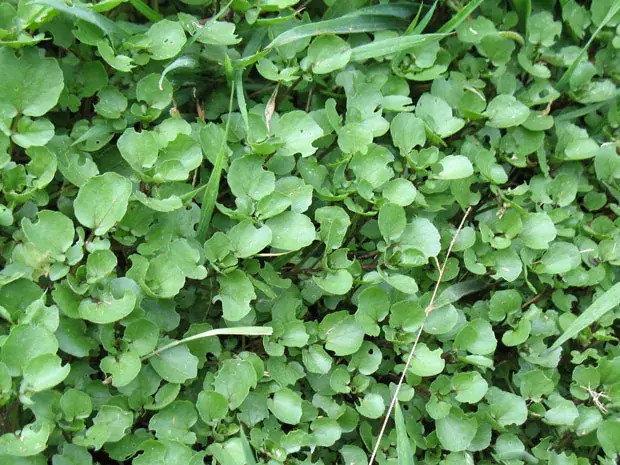
At the same time, the active ingredients in watercress also cause an apoptotic effect (killing cancer cells). Similarly, raw watercress extract is also a “bodyguard” for prostate and colon cancer cells by preventing the metastasis of malignant cells.
Isothiocyanate compounds from watercress inhibit the activity of metalloproteinase-9 (an enzyme that can promote the growth of tumors), thereby helping to prevent the invasion of cancer cells, especially breast cancer.
Note: Although watercress is very good, when preparing mixed dishes and salads, it is necessary to wash the vegetables many times with clean water, salt, and potassium permanganate to kill bacteria and parasites that stick to the vegetables.
How Watercress May Support the Body’s Natural Defenses
Watercress is a nutrient-dense leafy vegetable that deserves a place in a balanced diet. Its potential health benefits come from a combination of vitamins, minerals, fiber, and naturally occurring plant compounds. Among these, glucosinolates and their breakdown products, known as isothiocyanates, have attracted considerable scientific interest.
However, it is important to understand the difference between promising laboratory findings and proven benefits in humans. Watercress contains compounds that may influence biological processes associated with cancer development, but eating it cannot guarantee protection against cancer or replace medical treatment.
To understand why researchers are interested in this small green vegetable, it helps to look more closely at its nutritional composition and the ways its natural compounds interact with the body.
1. Glucosinolates and Isothiocyanates: The Compounds Behind Watercress’s Potential Benefits
Watercress belongs to the Brassicaceae family, which also includes broccoli, cabbage, cauliflower, kale, and mustard greens. Vegetables in this family contain glucosinolates, sulfur-containing compounds that contribute to their distinctive flavors.
When watercress is chopped, crushed, or chewed, an enzyme called myrosinase can help convert certain glucosinolates into biologically active products. One compound of particular interest is phenethyl isothiocyanate, commonly abbreviated as PEITC.
PEITC has been investigated for its possible effects on several cellular processes involved in cancer development. Laboratory studies suggest that it may:
-
Influence enzymes involved in the body's processing of certain potentially harmful substances.
-
Support cellular antioxidant defense systems.
-
Affect pathways involved in inflammation and oxidative stress.
-
Influence the growth and survival of abnormal cells.
-
Interfere with processes that allow some cancer cells to invade surrounding tissue.
These findings are interesting because cancer is not caused by a single event. It develops through a complex series of changes involving DNA damage, abnormal cell growth, inflammation, immune responses, and interactions with surrounding tissues.
Researchers are therefore investigating whether compounds from vegetables such as watercress can influence some of these processes.
Nevertheless, a substance that affects cancer cells in a laboratory dish does not necessarily have the same effect when someone eats the vegetable. Digestion, absorption, metabolism, and the amount of a compound reaching different tissues all influence its activity in the human body.
2. Watercress and DNA Protection
DNA contains the instructions that help cells grow, function, and reproduce. Every day, cells are exposed to factors that can damage DNA, including normal metabolic processes, ultraviolet radiation, tobacco smoke, air pollution, and certain chemicals.
The body has several systems to repair damaged DNA and remove cells that cannot be repaired. When these protective mechanisms do not work properly, abnormal changes may accumulate over time.
Oxidative stress is one possible source of cellular damage. It occurs when the production of reactive molecules exceeds the body's ability to neutralize them.
Watercress contains vitamin C and various plant compounds that may contribute to antioxidant defenses. Some research has also examined whether eating watercress influences markers of DNA damage in blood cells.
In a small human intervention study, healthy volunteers consumed watercress alongside their usual diets over a period of several weeks. Researchers observed changes in certain indicators of DNA damage and antioxidant activity.
This type of research is useful because it examines people rather than isolated cells. However, it does not establish that watercress prevents cancer. A reduction in a laboratory marker of DNA damage is not the same as demonstrating fewer cancer diagnoses over many years.
Cancer prevention studies require much larger groups of people, longer observation periods, and careful consideration of other lifestyle factors.
Even so, the findings provide a reason to continue studying watercress as part of a diet rich in vegetables.