Modern research continues to uncover the many ways in which turmeric can improve health, making it a valuable addition to any diet. Below, we explore some of the key health benefits of turmeric that are supported by scientific studies.
1. Turmeric Helps Enhance Mood and Combat Depression
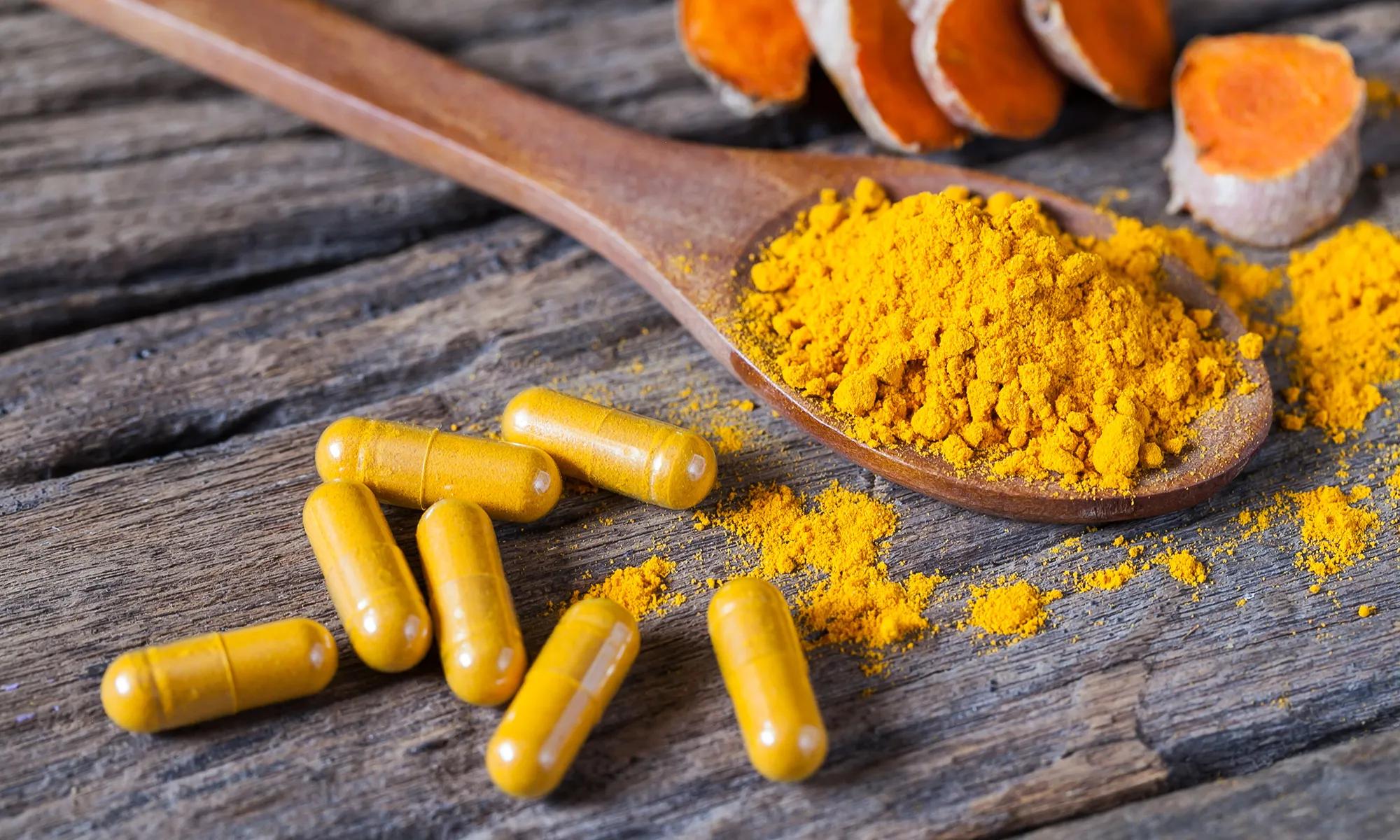
Curcumin, the active compound in turmeric, is widely known for its potent anti-inflammatory properties. Inflammation has been identified as a key factor in various mental health conditions, including depression. A 2019 meta-analysis of 10 studies on curcumin and depression, published in Critical Reviews in Food Science and Nutrition, found promising results. The analysis suggested that curcumin could significantly improve symptoms of anxiety and depression. In fact, some studies suggest that curcumin may be as effective as some antidepressant medications in managing symptoms.
Curcumin works by reducing inflammation in the brain and influencing neurotransmitter systems involved in mood regulation, such as serotonin and dopamine. For individuals looking to support their mental health, incorporating turmeric into their diet might be a natural and helpful addition.
2. Turmeric May Help Relieve the Effects of IBS and Colitis
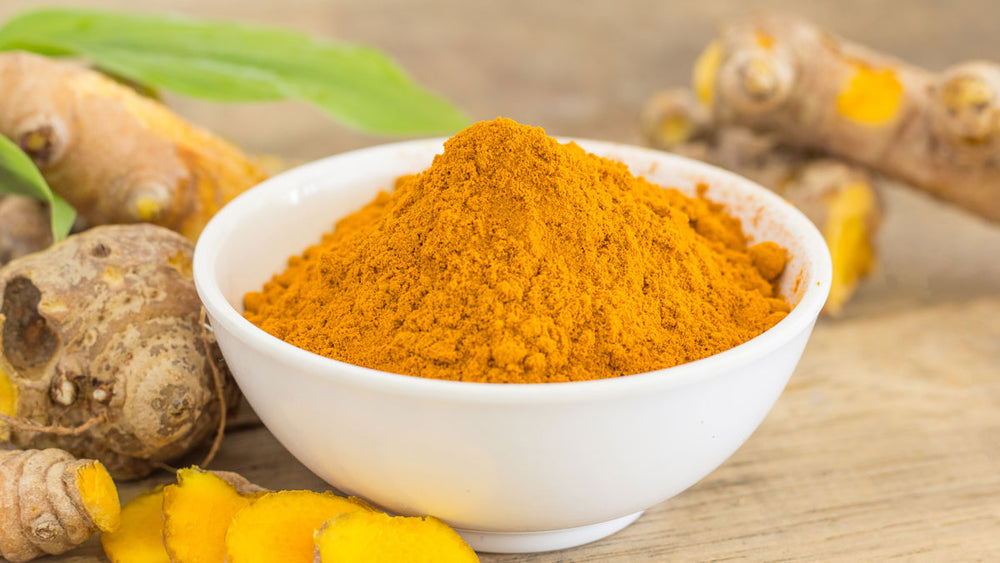
Irritable bowel syndrome (IBS) and colitis are digestive disorders that can cause significant discomfort, including abdominal pain, bloating, diarrhea, and constipation. Turmeric’s ability to reduce inflammation plays a crucial role in alleviating these symptoms. A 2018 meta-analysis published in Journal of Clinical Medicine revealed that turmeric could help relieve some of the discomforts caused by IBS. Its anti-inflammatory effects may also help reduce irritation in the digestive tract, improving overall gut health.
Moreover, a study published in Gastroenterology and Hepatology explored the use of curcumin in patients with ulcerative colitis, a chronic inflammatory bowel disease. The research indicated that curcumin was more effective than a placebo in reducing symptoms like abdominal pain and diarrhea. By reducing inflammation and promoting a healthy gut lining, turmeric can be a valuable tool in managing these chronic conditions.
3. Supporting Brain Health and Preventing Neurodegenerative Diseases
Turmeric’s antioxidant and anti-inflammatory properties extend beyond the gut and are beneficial for the brain as well. Chronic inflammation and oxidative stress are linked to a variety of neurodegenerative diseases, such as Alzheimer's disease, Parkinson’s disease, and multiple sclerosis. Studies suggest that curcumin’s ability to reduce inflammation and protect brain cells from oxidative damage can slow the progression of these diseases.
A large-scale study conducted on more than 1,000 elderly individuals with dementia found that those who consumed curry frequently, which often contains turmeric, had significantly better cognitive function than those who consumed it less frequently. The anti-inflammatory properties of turmeric appear to protect the brain and reduce the build-up of amyloid plaques, a hallmark of Alzheimer's disease.

Additionally, curcumin has been shown to increase the production of brain-derived neurotrophic factor (BDNF), a protein that plays a critical role in brain function and the regeneration of brain cells. Increasing BDNF levels may help in the treatment of neurodegenerative diseases and enhance cognitive performance.
4. Can.cer Prevention and Tumor Growth Reduction
Turmeric’s role in cancer prevention is one of the most promising areas of research. The anti-inflammatory and antioxidant properties of curcumin have been shown to help reduce the risk of cancer and inhibit the growth of existing tumors. Chronic inflammation is recognized as one of the major risk factors for cancer, and curcumin’s ability to reduce inflammation is central to its protective role.
Several epidemiological studies have pointed to a lower incidence of cancer in populations that consume turmeric regularly. While research is still ongoing, the initial findings are encouraging. Curcumin has also been found to enhance the effectiveness of chemotherapy in some studies by reducing tumor growth and metastasis.
Additionally, curcumin may help alleviate some of the secondary symptoms associated with cancer and cancer treatments, such as loss of appetite, fatigue, and pain. For example, some studies have shown that curcumin can reduce the side effects of chemotherapy, including nausea and vomiting, making it a valuable addition to a cancer care regimen.
5. Support for Joint and Bone Health
Inflammation is a key factor in conditions like arthritis, and turmeric has long been used as a remedy for joint pain. Curcumin has been shown to reduce inflammation and pain associated with osteoarthritis and rheumatoid arthritis. In fact, a study published in Phytotherapy Research found that curcumin supplementation provided similar benefits to conventional anti-inflammatory drugs without the risk of side effects.
Turmeric also supports bone health by improving bone density and reducing the risk of osteoporosis. The anti-inflammatory effects of curcumin can help maintain healthy joints and reduce the risk of degenerative bone conditions as we age.
6. Improving Skin Health and Healing Wounds
Turmeric has been used for centuries in skincare, thanks to its natural healing and antibacterial properties. It’s often used to treat acne, eczema, and other skin conditions. The anti-inflammatory and antioxidant properties of curcumin help calm irritated skin and prevent the formation of acne.
Furthermore, turmeric has been shown to promote wound healing. A study published in Molecules found that curcumin could accelerate wound healing by promoting the production of collagen and increasing the rate of cell regeneration. It also reduces inflammation around wounds, which can help speed up the healing process.
How to Incorporate Turmeric into Your Diet
To reap the benefits of turmeric, you don’t need to make drastic changes to your diet. Simply adding turmeric powder to your daily meals can provide numerous health benefits. Here are a few ways to incorporate it into your diet:
-
Golden milk: A warm beverage made with milk (or plant-based milk), turmeric, and a pinch of black pepper.
-
Smoothies: Add a teaspoon of turmeric powder to your favorite smoothie for a healthy boost.
-
Soups and stews: Add turmeric to soups, curries, or stews to enhance flavor and nutrition.
-
Baking: Incorporate turmeric into baked goods like muffins or bread for a unique flavor and health benefits.
Conclusion
Turmeric is more than just a flavorful spice - it’s a powerhouse of health benefits. From enhancing mood and supporting brain health to preventing cancer and promoting healthy skin, turmeric offers a wide range of potential benefits. Whether you consume it in your food or use it topically, incorporating turmeric into your daily routine can have a positive impact on your overall well-being. With its powerful anti-inflammatory, antioxidant, and healing properties, turmeric is a true natural remedy that’s worth adding to your diet.