Across the globe, billions of people rely on staple foods to meet their daily nutritional needs. Among them is cassava, a starchy root vegetable consumed widely in Africa, Asia, and Latin America. Despite being a crucial source of energy for millions, cassava has gained a dramatic reputation as one of the “world’s deadliest foods.” Each year, improper consumption is linked to hundreds of cases of poisoning and even death. Yet, it remains a dietary cornerstone in many regions.
How can a food that carries such serious risks still be eaten by so many people? The answer lies in understanding both its nutritional value and the importance of proper preparation.
A Vital Staple for Millions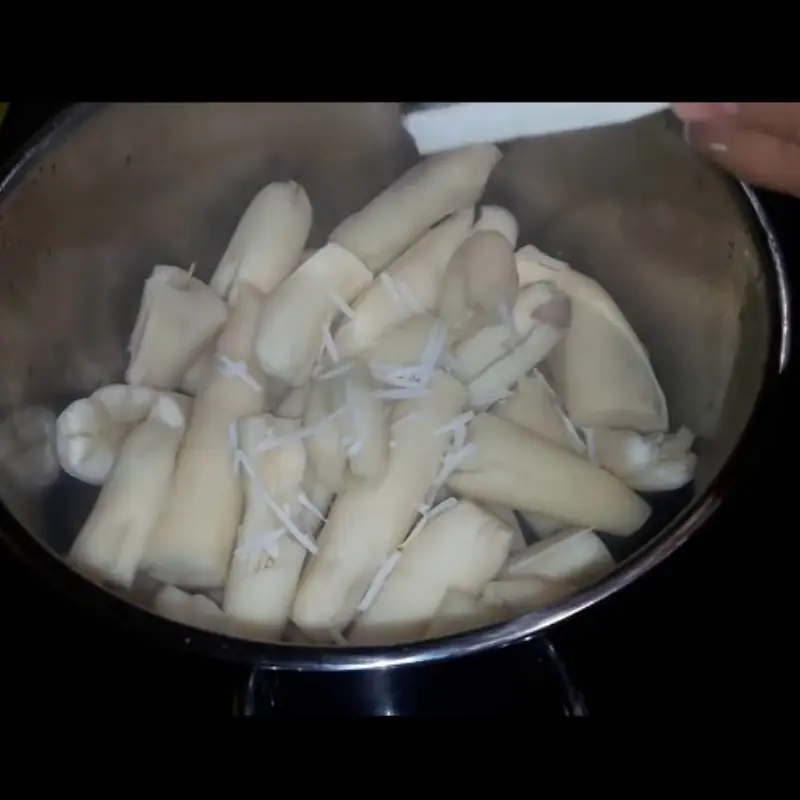
Cassava, also known as yuca or manioc, is a drought-resistant crop that grows well in poor soil and harsh climates. For communities in developing regions, it provides a reliable and affordable source of carbohydrates. Cassava is often processed into flour, tapioca, or eaten boiled, fried, or roasted.
The root is rich in calories and can help prevent hunger in areas where other crops may fail. In many countries, cassava is more than just food—it is a lifeline that supports food security and local economies.
However, cassava also contains naturally occurring compounds called cyanogenic glycosides. When consumed without proper preparation, these compounds can release cyanide, a toxic substance that interferes with the body’s ability to use oxygen.
The Hidden Danger Within
The presence of cyanogenic compounds is what makes cassava potentially dangerous. Bitter varieties of cassava tend to have higher toxin levels than sweet varieties. If the root is eaten raw or insufficiently processed, these toxins can remain active.
Symptoms of cyanide poisoning may include dizziness, nausea, abdominal pain, and in severe cases, respiratory failure. Long-term exposure to improperly processed cassava has also been linked to certain neurological conditions and thyroid problems in some populations.
According to global health estimates, hundreds of poisoning incidents occur each year due to unsafe cassava consumption. These cases are most common in areas facing food shortages, where people may skip traditional preparation steps out of necessity.
Why Proper Preparation Matters
Despite its risks, cassava can be safely consumed when prepared correctly. Traditional processing methods have been developed over generations to remove or reduce toxic compounds. These methods typically include peeling, soaking, fermenting, drying, and thorough cooking.
Soaking cassava in water for extended periods allows harmful substances to leach out. Fermentation and drying further break down toxins, making the root safe to eat. Cooking at high temperatures also helps eliminate remaining harmful compounds.
Communities that follow these traditional preparation techniques can enjoy cassava without significant health risks. Problems usually arise when shortcuts are taken or knowledge about safe processing is lacking.
Why People Continue to Eat It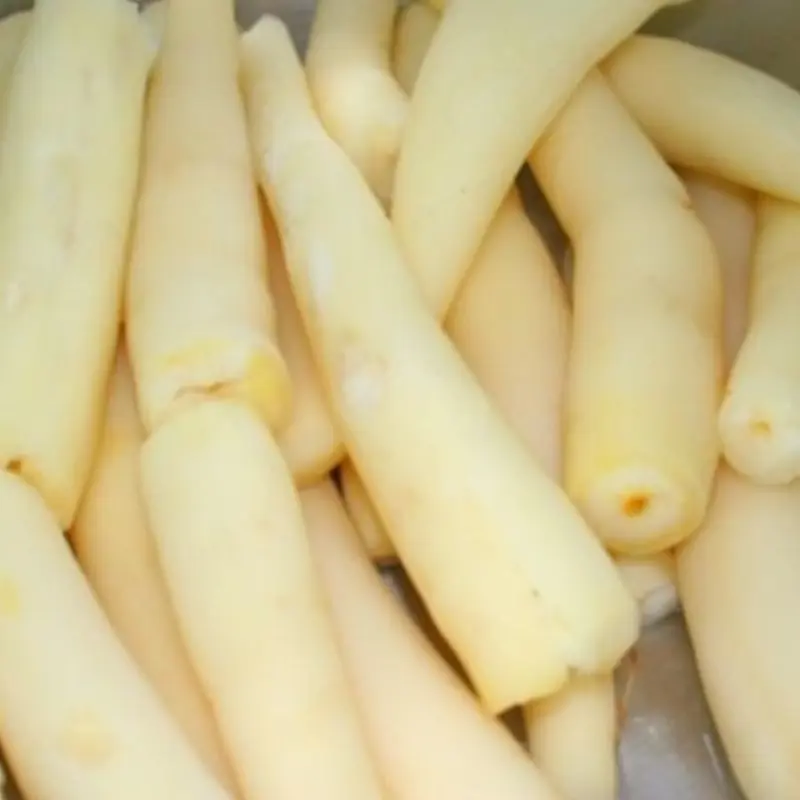
Given the potential dangers, some may wonder why cassava remains so widely consumed. The answer is simple: accessibility and survival. In many parts of the world, cassava is one of the few crops that can grow in challenging conditions. It is inexpensive, filling, and versatile.
For families with limited food options, cassava offers a dependable source of energy. When properly prepared, it provides nourishment without harm. Additionally, cassava is deeply rooted in cultural traditions and cuisines, making it an essential part of local identity and heritage.
Balancing Risk and Nutrition
Labeling cassava as the “world’s deadliest food” may sound alarming, but the reality is more nuanced. Like many foods, its safety depends on how it is handled and prepared. When processed correctly, cassava can be a valuable and safe component of a balanced diet.
Education about safe preparation methods is key to reducing health risks. Governments and health organizations in cassava-consuming regions often promote awareness campaigns to ensure communities understand proper handling techniques.
Ultimately, cassava’s story highlights the complex relationship between food, culture, and survival. While it carries potential dangers, it also sustains millions of people worldwide. With knowledge and careful preparation, this controversial root can continue to nourish communities safely for generations to come.