
Surprising causes of hives revealed - What may be triggering your skin
Surprising causes of hives revealed - What may be triggering your skin
Health 07/02/2026 01:10
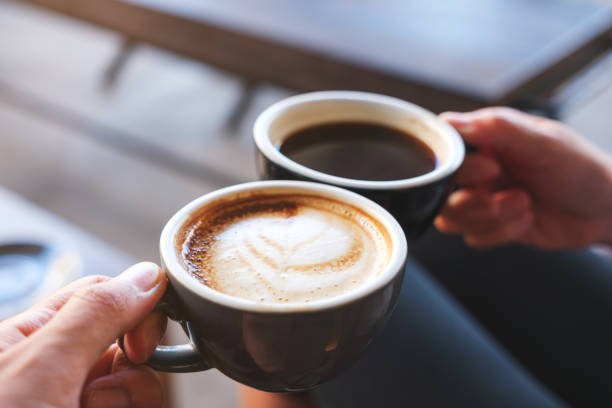
For many people, caffeine is woven into daily life — a morning ritual, an afternoon reset, sometimes even a source of comfort. Yet if you have ever wondered why one person can drink coffee late at night and sleep soundly while another feels restless after a single cup, the answer may lie partly in genetics.
Caffeine works by blocking adenosine, a neurotransmitter that gradually builds throughout the day and promotes sleepiness. When adenosine is suppressed, the brain interprets this as a signal to stay alert. Reaction time may improve, fatigue may feel more distant, and concentration can temporarily sharpen.
However, the speed at which caffeine is processed varies significantly between individuals. Much of this difference is influenced by a liver enzyme known as CYP1A2. Some people metabolize caffeine quickly, allowing stimulating effects to fade sooner. Others break it down more slowly, meaning the same amount can linger in the bloodstream for hours.
This variation helps explain why caffeine tolerance differs so widely. A beverage that feels energizing to one person might feel overwhelming to another.
Timing also matters. Because caffeine’s half-life can range from roughly 4 to 8 hours — sometimes longer — an afternoon cup may still be active at bedtime. Even when sleep arrives, it can become lighter or less restorative.
That does not mean caffeine is inherently problematic. In moderate amounts, it has been associated with improved alertness, physical performance, and even certain long-term health benefits currently being studied.
The key is awareness.
You might consider observing how your body responds:
Do you feel focused or jittery?
Calmly alert or unusually tense?
Sleepy at night or mentally active?
Your body often provides clear feedback when you pay attention.
Adjustments do not need to be dramatic. Some people benefit from shifting caffeine earlier in the day, alternating with water, or choosing smaller servings.

It is also worth remembering that caffeine appears in more than coffee — tea, chocolate, energy drinks, and some medications contribute as well.
Rather than following someone else’s threshold, it may help to define your personal “optimal zone,” where alertness rises without tipping into overstimulation.
Energy is not just about stimulation; it is about balance.
When approached thoughtfully, caffeine can remain a useful tool — one that supports your rhythm rather than disrupts it.
Listening to your biology is often the smartest strategy.
After all, the most effective health habits are rarely universal. They are personal.
Surprising causes of hives revealed - What may be triggering your skin

If your mouth feels dry at night, here are 8 reasons why



This traditional food is loved worldwide yet hides serious risks.











Is tilapia really safe? Here’s what you should know first.

New research reveals surprising truths about women and desire

A simple sweet potato breakfast can transform your daily energy.

— “Let your mother look over the documents first before she opens her mouth,” Nadezhda said. “The apartment is registered in my name.”

No, I’m not going to cook for you. If you want, I can pour you some water,” I calmly told my husband’s relatives, who had shown up without warning.
Surprising causes of hives revealed - What may be triggering your skin
If your mouth feels dry at night, here are 8 reasons why

The sheet of paper lay on the kitchen oilcloth—white and alien among the familiar mugs and bread crumbs

“How are you buying an apartment? After everything we’ve done for you! Traitors!” his parents-in-law raged




This traditional food is loved worldwide yet hides serious risks.