10 Early Cancer Warning Signs People Frequently Miss
Cancer is one of the leading causes of death worldwide, but early detection can often improve treatment options and outcomes. One challenge is that many early cancer symptoms are subtle and can easily be mistaken for less serious conditions.
It's important to remember that experiencing one or more of these symptoms does not necessarily mean you have cancer. Many of them can be caused by common, non-cancerous conditions. However, if symptoms persist, worsen, or cannot be explained, medical evaluation is recommended.
Here are 10 early warning signs that health experts say people frequently overlook.
1. Unexplained Weight Loss
Losing weight without changing your diet or exercise routine may seem like a welcome surprise, but unexpected weight loss can sometimes be a warning sign of an underlying health issue.
Many doctors recommend paying attention if you lose a significant amount of weight without trying, particularly if the weight loss occurs over a short period.
2. Persistent Fatigue
Everyone feels tired occasionally, but cancer-related fatigue is often different.
It may:
- Persist despite adequate rest
- Interfere with daily activities
- Feel unusually severe
Long-lasting fatigue can have many causes, including anemia, sleep disorders, stress, and infections, but it should not be ignored.
3. Changes in Bowel Habits

Persistent changes in bowel function may deserve medical attention.
These changes can include:
- Ongoing diarrhea
- Chronic constipation
- Narrow stools
- Changes in stool appearance
- Feeling that the bowel does not empty completely
While digestive issues are common, symptoms that continue for weeks should be evaluated.
4. Blood in Stool or Urine
The appearance of blood in stool or urine should always be taken seriously.
Although hemorrhoids, infections, kidney stones, and other non-cancerous conditions are common causes, healthcare professionals generally recommend medical evaluation whenever unexplained bleeding occurs.
5. Persistent Cough or Hoarseness
A cough that lingers for several weeks or persistent hoarseness without a clear explanation may warrant further investigation.
Most long-lasting coughs are not caused by cancer, but experts recommend paying attention when symptoms do not improve over time.
6. Changes in the Skin
Your skin can sometimes provide clues about overall health.
Potential warning signs include:
- New moles
- Changes in existing moles
- Non-healing sores
- Unusual darkening or discoloration
- Persistent skin irritation
Regular skin checks can help identify concerning changes early.
7. Difficulty Swallowing
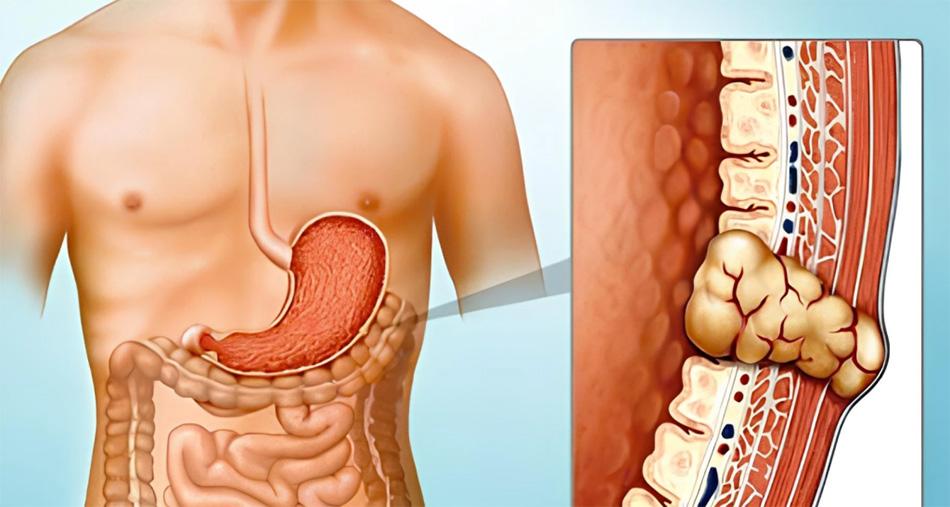
Persistent trouble swallowing, also known as dysphagia, should not be ignored.
Many conditions can cause swallowing difficulties, including acid reflux and throat infections. However, when the problem continues or worsens, medical assessment becomes important.
8. Unusual Lumps or Swelling
Not every lump is cancerous, but any new lump that persists should be evaluated by a healthcare professional.
Common areas where people may notice lumps include:
- Breast tissue
- Neck
- Underarms
- Groin
- Testicles
Early evaluation can help determine whether further testing is necessary.
9. Unexplained Pain
Pain is the body's way of signaling that something may be wrong.
Persistent pain that has no obvious cause and does not improve with time should be discussed with a healthcare provider, especially if it interferes with normal activities.
10. Frequent Infections or Persistent Fever
The immune system plays a crucial role in protecting the body from illness.
Frequent infections, unexplained fevers, or symptoms that repeatedly return may sometimes indicate an underlying health condition that requires medical attention.
When Should You See a Doctor?
Many of the symptoms listed above are caused by conditions other than cancer. However, healthcare professionals generally recommend seeking medical advice when symptoms:
- Persist for several weeks
- Continue to worsen
- Recur repeatedly
- Have no clear explanation
- Interfere with daily life
Early evaluation allows doctors to identify the cause and recommend appropriate treatment if necessary.
The Bottom Line
Cancer does not always cause obvious symptoms in its earliest stages. Sometimes the warning signs are subtle and easy to dismiss as stress, aging, or minor health issues.
Being aware of changes in your body—and seeking medical advice when something doesn't seem right—can play an important role in protecting your health.
Remember, these symptoms do not automatically mean cancer. However, recognizing them and taking action when needed may help ensure that any potential health problems are addressed as early as possible.