A stroke is one of the leading causes of disability and death worldwide. It occurs when blood flow to part of the brain is interrupted or reduced, preventing brain tissue from receiving the oxygen and nutrients it needs. When this happens, brain cells can begin to die within minutes.
While strokes can occur suddenly, the body sometimes provides warning signs beforehand. These symptoms do not always mean a stroke is imminent, and many can be caused by less serious conditions. However, recognizing them early and seeking medical advice when appropriate may help identify underlying health issues that increase stroke risk.
Understanding these warning signs can empower individuals to take preventive action and seek timely medical care.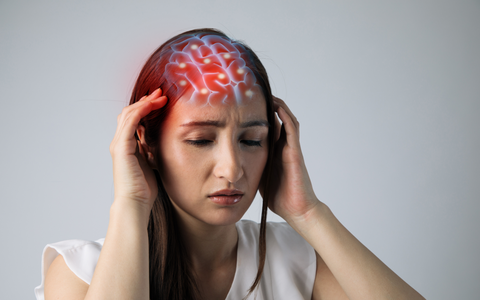
What Is a Stroke?
A stroke occurs when blood flow to the brain is disrupted.
The Two Main Types of Stroke
Ischemic Stroke
The most common type.
Occurs when a blood vessel supplying the brain becomes blocked.
Hemorrhagic Stroke
Occurs when a blood vessel ruptures and causes bleeding in the brain.
Both types require immediate medical attention.
Why Early Warning Signs Matter
Some people experience symptoms days, weeks, or even months before a stroke.
These Signs May Reflect
-
Poor circulation
-
Blood vessel problems
-
High blood pressure
-
Temporary disruptions in blood flow
Recognizing symptoms early may provide an opportunity to address risk factors before a major event occurs.
1. Sudden Numbness or Weakness
One of the most recognized stroke warning signs is sudden weakness.
It Often Affects
-
The face
-
An arm
-
A leg
Frequently Occurs On
Only one side of the body.
If you suddenly notice facial drooping, difficulty lifting an arm, or weakness in a leg, seek emergency medical attention immediately.
2. Difficulty Speaking
The brain controls language and communication.
Warning Signs May Include
-
Slurred speech
-
Difficulty finding words
-
Confusion while speaking
-
Trouble understanding others
These symptoms can develop suddenly and should never be ignored.
3. Sudden Vision Changes
The brain processes visual information.
Possible Symptoms Include
-
Blurred vision
-
Double vision
-
Loss of vision in one eye
-
Difficulty seeing in part of the visual field
Even temporary visual disturbances may require prompt evaluation.
4. Frequent Dizziness
Occasional dizziness can occur for many reasons.
However
Sudden or unexplained dizziness may sometimes be associated with neurological issues.
Especially Concerning If Accompanied By
-
Balance problems
-
Weakness
-
Speech difficulties
-
Vision changes
A medical evaluation may be necessary.
5. Loss of Balance or Coordination
The brain plays a critical role in maintaining balance.
Symptoms May Include
-
Unsteady walking
-
Frequent stumbling
-
Poor coordination
-
Difficulty standing
Sudden balance problems can sometimes signal impaired blood flow to parts of the brain.
6. Severe Headaches
Not every headache indicates a serious problem.
However
A sudden, severe headache that feels different from usual headaches should be taken seriously.
Especially If Accompanied By
-
Nausea
-
Vision changes
-
Confusion
-
Weakness
Medical attention should be sought immediately.
7. Temporary Facial Drooping
The muscles of the face rely on proper nerve function.
Warning Signs Include
-
One side of the face appearing uneven
-
Difficulty smiling
-
Drooping around the mouth
Even if symptoms improve quickly, they may still indicate a serious underlying issue.
8. Sudden Confusion
The brain governs thinking, memory, and understanding.
Symptoms May Include
-
Difficulty concentrating
-
Confusion
-
Trouble understanding conversations
-
Memory disturbances
These symptoms can develop rapidly and warrant evaluation.
9. Brief Episodes of Weakness That Resolve
Some individuals experience temporary symptoms that disappear after a short time.
These Episodes May Include
-
Weakness
-
Numbness
-
Vision loss
-
Speech difficulties
A temporary event should never be ignored simply because symptoms improve.
Understanding a Transient Ischemic Attack (TIA)
A TIA is sometimes called a "mini-stroke."
What Happens?
Blood flow to part of the brain is briefly interrupted.
Important Fact
Symptoms often disappear within minutes or hours.
However, a TIA is a medical emergency and significantly increases the risk of a future stroke.
10. Sudden Fatigue or Unusual Weakness
While fatigue is common, unexplained weakness that develops suddenly may deserve attention.
Particularly If Combined With
-
Neurological symptoms
-
Dizziness
-
Balance problems
-
Confusion
Evaluation by a healthcare professional may be appropriate.
The FAST Method for Recognizing Stroke
Health organizations often use the FAST acronym.
F – Face
Ask the person to smile.
Look For
Facial drooping.
A – Arms
Ask the person to raise both arms.
Watch For
One arm drifting downward.
S – Speech
Ask the person to repeat a simple sentence.
Listen For
Slurred or unusual speech.
T – Time
If any of these signs appear:
Call Emergency Services Immediately
Rapid treatment can save brain tissue and improve outcomes.
Major Risk Factors for Stroke
Recognizing symptoms is important, but reducing risk factors is equally critical.
High Blood Pressure
High blood pressure is one of the strongest stroke risk factors.
Why?
It can damage blood vessels over time.
Diabetes
Poor blood sugar control may contribute to blood vessel damage.
Smoking
Smoking affects circulation and blood vessel health.
High Cholesterol
Elevated cholesterol can contribute to plaque buildup within arteries.
Obesity
Excess body weight may increase several stroke-related risk factors.
Physical Inactivity
Regular exercise supports cardiovascular health.
Excessive Alcohol Consumption
Heavy alcohol use may increase stroke risk.
Atrial Fibrillation
This heart rhythm disorder increases the likelihood of blood clots.
How to Reduce Stroke Risk
Many strokes can be prevented through lifestyle modifications and medical management.
Maintain Healthy Blood Pressure
Regular monitoring is important.
Stay Physically Active
Exercise supports:
-
Heart health
-
Circulation
-
Weight management
Eat a Balanced Diet
Focus on:
-
Fruits
-
Vegetables
-
Whole grains
-
Lean proteins
Avoid Tobacco
Smoking cessation provides substantial health benefits.
Manage Medical Conditions
Proper treatment of:
-
Diabetes
-
High cholesterol
-
Heart disease
may reduce risk.
Get Regular Checkups
Routine healthcare visits help identify risk factors early.
Common Myths About Stroke
Myth 1: Strokes Only Affect Older Adults
While risk increases with age, strokes can occur at younger ages.
Myth 2: Stroke Symptoms Always Cause Severe Pain
Many strokes occur without pain.
Myth 3: Symptoms That Go Away Are Harmless
Temporary symptoms may signal a TIA and require urgent evaluation.
Myth 4: Healthy People Cannot Have Strokes
Even healthy individuals may experience strokes, although risk factors increase likelihood.
When to Seek Emergency Help
Call emergency services immediately if you notice:
Any Sudden Onset Of
-
Facial drooping
-
Arm weakness
-
Speech difficulty
-
Vision loss
-
Severe dizziness
-
Loss of coordination
Time is critical.
Rapid treatment can significantly improve outcomes.
Final Thoughts
A stroke often occurs suddenly, but the body may sometimes provide warning signs beforehand. Sudden weakness, facial drooping, speech difficulties, vision changes, severe headaches, dizziness, confusion, and temporary neurological symptoms should never be ignored. While these symptoms do not always indicate an impending stroke, they can reflect underlying conditions that increase stroke risk.
The most important message is simple: when symptoms appear suddenly, seek medical attention immediately. Early recognition, prompt treatment, and effective management of risk factors can make a life-changing difference. By staying aware of these warning signs and maintaining healthy lifestyle habits, individuals can take meaningful steps toward protecting their brain health and reducing their risk of stroke.