
These 3 habits many husbands overlook may silently affect their wives’ cervical health
3 Everyday Habits That May Increase Cervical Cancer Risk Awareness in Women
Cervical cancer is one of the most common cancers affecting women worldwide. The primary cause is persistent infection with high-risk strains of the Human Papillomavirus (HPV), a virus transmitted through sexual contact. While many factors contribute to risk, research shows that certain lifestyle and intimate behaviors within a relationship may indirectly influence a woman’s exposure and overall health.
Understanding these risk factors is not about blame, but about awareness and prevention. Here are three important habits that can increase risk if proper precautions are not taken.

1. Lack of Safe Sexual Practices
One of the most significant factors related to cervical cancer risk is exposure to HPV. When safe sex practices such as condom use are not consistently followed, the likelihood of transmission of HPV and other infections increases.
HPV is very common, and many people may carry it without symptoms. However, persistent infection with high-risk types can lead to abnormal changes in cervical cells over time.
Using protection, maintaining mutual monogamy, and having regular health screenings can significantly reduce this risk.
2. Smoking and Exposure to Secondhand Smoke
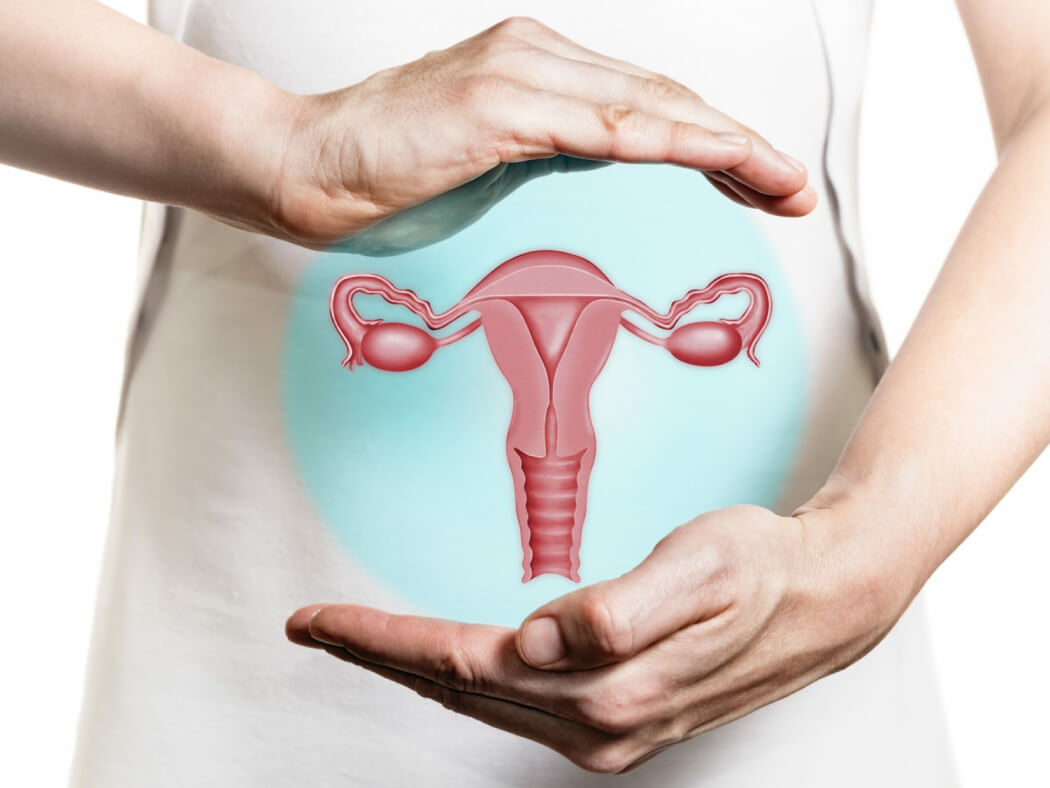
Smoking is another well-established risk factor for cervical cancer. Harmful chemicals from tobacco can weaken the immune system, making it harder for the body to clear HPV infections.
In addition, exposure to secondhand smoke at home can also negatively affect women’s reproductive health. Long-term exposure increases inflammation and cellular damage, which may contribute to the development of cervical abnormalities.
Quitting smoking and maintaining a smoke-free environment are important steps for protecting long-term health.
3. Poor Awareness of Reproductive Health and Hygiene
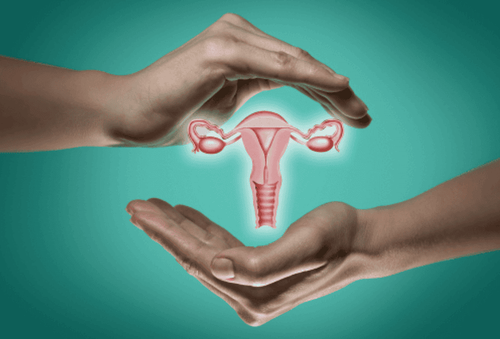
Lack of awareness about reproductive health—including irregular check-ups, ignoring early symptoms, or poor genital hygiene practices—can also increase risks indirectly.
Cervical cancer often develops slowly and without clear early symptoms. This is why routine screening (such as Pap smears or HPV testing) is essential for early detection and prevention.
Maintaining good personal hygiene, practicing safe intimacy, and attending regular medical check-ups all play a key role in reducing risk.
Final Thoughts
Cervical cancer is largely preventable with proper awareness, vaccination, and routine screening. While lifestyle and relationship factors can influence risk, the most important message is prevention through education and shared responsibility.
Early detection saves lives, and open communication between partners about health is one of the strongest tools for protection.
News in the same category


Nutritionists Recommend These 5 Vegetables to Help Support a Healthy Liver

5 Types of Vegetables That Help Detoxify and Lower Liver Enzymes

Something Many People Overlook — But It Could Be More Important Than You Think

Using Your Phone a Lot Is Generally Safe — But These Are the Times You Should Be More Careful

Your Body May Show These 7 Warning Signs Weeks Before a Heart Attack

Your Liver May Benefit From These “4 Vegetables and 2 Fruits” — Try Adding Them to Your Diet More Often

The liver is one of the most vital organs in the human body

Papaya Seeds May Support Liver Health — Plus, How Some People Use Them as a Natural Pepper Alternative

4 Vegetables That May Be Safer Cooked Than Raw — Here’s Why

Four Types of Vegetables You Should Not Eat Raw — What Health Experts Really Want You to Know

10 Everyday Habits That May Be Quietly Damaging Your Kidneys

5 daily habits that are silently destroying your kidneys

What Nighttime Changes in Your Feet and Legs Could Be Trying to Tell You About Your Health

What Your Feet and Legs May Be Telling You at Night

9 warning signs your nails may be sending about your health
Don’t ignore these 9 nail changes — they may signal underlying health problems

Experts explain the long-term effects of eating sweet potatoes every morning
What really happens to your body when sweet potatoes become a daily breakfast routine? 👇

Did you know that waking up at 3 or 4 in the morning could be a sign of something your body is trying to tell you?
Waking up between 3AM and 4AM every night? Experts say it may reveal more about your health than you think… See more 👇

Heel pain when you first wake up? Doctors say it could be a sign of something deeper
Persistent heel pain without much standing? Here’s what experts want you to know… 👇
News Post

Nutritionists Recommend These 5 Vegetables to Help Support a Healthy Liver

5 Types of Vegetables That Help Detoxify and Lower Liver Enzymes

Something Many People Overlook — But It Could Be More Important Than You Think

Using Your Phone a Lot Is Generally Safe — But These Are the Times You Should Be More Careful

Your Body May Show These 7 Warning Signs Weeks Before a Heart Attack

Did you know that the main cause of death in the US are heart attacks?

Your Liver May Benefit From These “4 Vegetables and 2 Fruits” — Try Adding Them to Your Diet More Often

The liver is one of the most vital organs in the human body

Papaya Seeds May Support Liver Health — Plus, How Some People Use Them as a Natural Pepper Alternative

Papaya Seeds: A Powerful Remedy for Liver Health and How to Use Them as a Pepper Substitute

4 Vegetables That May Be Safer Cooked Than Raw — Here’s Why

Four Types of Vegetables You Should Not Eat Raw — What Health Experts Really Want You to Know

10 Everyday Habits That May Be Quietly Damaging Your Kidneys

5 daily habits that are silently destroying your kidneys

What Nighttime Changes in Your Feet and Legs Could Be Trying to Tell You About Your Health

What Your Feet and Legs May Be Telling You at Night

9 warning signs your nails may be sending about your health
Don’t ignore these 9 nail changes — they may signal underlying health problems

The Real Reason Dogs Often Behave This Way Might Surprise You

Why Do Dogs Bark and Bite Some People but Not Others? There’s Always a Reason

Experts explain the long-term effects of eating sweet potatoes every morning
What really happens to your body when sweet potatoes become a daily breakfast routine? 👇