Heart disease remains one of the leading health concerns worldwide. Thanks to advances in medical care, many people with heart conditions are living longer, healthier lives than ever before. However, managing heart disease often involves more than simply taking prescribed medications. Daily habits and lifestyle choices can play a significant role in supporting cardiovascular health and reducing unnecessary strain on the heart.
While no single behavior guarantees better or worse heart health, certain everyday habits may place additional stress on the cardiovascular system. Understanding these behaviors can help individuals make informed decisions and work with their healthcare providers to develop heart-friendly routines.
Here are 4 common habits that people with heart disease may want to pay close attention to.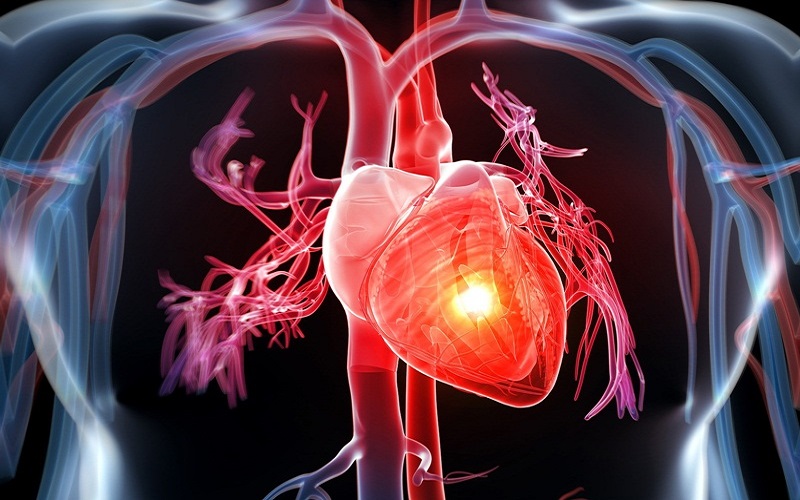
Understanding Heart Disease
Before discussing specific behaviors, it is helpful to understand what heart disease means.
Heart Disease Includes Many Conditions
Such as:
-
Coronary artery disease
-
Heart failure
-
Arrhythmias
-
Heart valve disorders
-
Congenital heart conditions
Although these conditions differ, they often share one common feature: the heart must work harder to meet the body's needs.
Supporting heart health involves minimizing unnecessary stress whenever possible.
Behavior #1: Consistently Ignoring Physical Activity
Many people assume that having heart disease means they should avoid exercise.
In reality, the opposite is often true.
Why Movement Matters
Regular physical activity can support:
-
Circulation
-
Blood pressure management
-
Weight control
-
Overall cardiovascular fitness
The Problem
Long periods of inactivity may contribute to:
-
Reduced fitness
-
Weight gain
-
Poor circulation
-
Increased cardiovascular strain
Finding the Right Balance
Not all exercise is appropriate for every individual.
Many Healthcare Providers Recommend
-
Walking
-
Light cycling
-
Swimming
-
Cardiac rehabilitation programs
The key is choosing activities that match individual health needs and medical guidance.
Behavior #2: Consuming Excessive Sodium
Sodium plays important roles in the body, but excessive intake may create challenges for people with certain heart conditions.
Where Sodium Is Commonly Found
-
Processed foods
-
Fast food
-
Canned soups
-
Packaged snacks
-
Processed meats
Why It Matters
High sodium intake may contribute to fluid retention.
This can place additional demands on the cardiovascular system.
Potential Effects Include
-
Elevated blood pressure
-
Increased swelling
-
Additional workload for the heart
Reading food labels and preparing meals at home may help individuals better manage sodium intake.
Behavior #3: Chronic Stress and Emotional Overload
Modern life can be stressful.
Common Sources of Stress Include
-
Financial concerns
-
Work pressures
-
Family responsibilities
-
Health worries
Although stress is a normal part of life, chronic stress may affect cardiovascular health.
What Happens During Stress?
The body releases hormones such as:
-
Adrenaline
-
Cortisol
These hormones trigger temporary increases in:
-
Heart rate
-
Blood pressure
-
Alertness
Occasional Stress Is Normal
However, prolonged stress may contribute to unhealthy lifestyle patterns and increased cardiovascular strain.
Managing Stress More Effectively
Healthy coping strategies may include:
Examples
-
Meditation
-
Deep breathing exercises
-
Regular physical activity
-
Time outdoors
-
Social support
Mental well-being is an important component of heart health.
Behavior #4: Poor Sleep Habits
Sleep is one of the most overlooked aspects of cardiovascular health.
Why Sleep Matters
During sleep, the body works to:
-
Repair tissues
-
Regulate hormones
-
Support cardiovascular function
Poor Sleep May Affect
-
Blood pressure
-
Blood sugar regulation
-
Inflammation
-
Energy levels
Common Sleep Problems Include
-
Insufficient sleep
-
Frequent awakenings
-
Sleep apnea
-
Irregular sleep schedules
People with heart disease should discuss persistent sleep problems with their healthcare providers.
The Connection Between Sleep Apnea and Heart Health
Sleep apnea is a condition in which breathing repeatedly stops and starts during sleep.
Common Symptoms Include
-
Loud snoring
-
Morning headaches
-
Excessive daytime fatigue
Sleep apnea has been associated with increased cardiovascular risks and often requires professional evaluation.
Why Small Habits Matter
Heart health is influenced by countless small choices made each day.
Examples Include
-
What we eat
-
How active we are
-
How well we sleep
-
How we manage stress
Over time, these habits may collectively influence overall health outcomes.
Other Habits Worth Discussing
Although this article focuses on four common behaviors, additional factors also affect cardiovascular health.
These May Include
-
Smoking
-
Excessive alcohol consumption
-
Medication adherence
-
Weight management
-
Blood pressure monitoring
Comprehensive care involves addressing multiple areas of health.
Common Myths About Heart Disease
Myth 1: Heart Disease Only Affects Older Adults
Heart disease can affect adults of various ages.
Myth 2: Medication Alone Is Enough
Lifestyle factors often remain important even when medications are prescribed.
Myth 3: Exercise Is Dangerous for Everyone With Heart Disease
Many individuals benefit from appropriate physical activity under medical guidance.
Myth 4: Symptoms Are Always Obvious
Some heart conditions produce few symptoms during early stages.
Warning Signs That Require Medical Attention
Individuals should seek medical evaluation for symptoms such as:
Examples Include
-
Chest pain
-
Shortness of breath
-
Dizziness
-
Fainting
-
Sudden swelling
-
Irregular heartbeats
Prompt assessment is important whenever concerning symptoms occur.
Building a Heart-Friendly Lifestyle
Healthy routines do not require perfection.
Instead, many experts encourage gradual, sustainable improvements.
Helpful Strategies Include
Nutrition
-
More fruits and vegetables
-
Whole grains
-
Lean proteins
Physical Activity
-
Regular movement
-
Physician-approved exercise
Stress Management
-
Relaxation techniques
-
Mindfulness practices
Sleep
-
Consistent sleep schedules
-
Adequate sleep duration
Small changes often become powerful when maintained over time.
The Importance of Regular Medical Care
People with heart disease benefit from ongoing communication with healthcare professionals.
Regular Follow-Up Can Help
-
Monitor symptoms
-
Adjust medications
-
Evaluate risk factors
-
Support healthy lifestyle changes
Personalized medical guidance remains essential.
The Bigger Picture
Heart disease management is not about avoiding every possible risk. Rather, it involves creating habits that support cardiovascular function while reducing unnecessary strain. Physical inactivity, excessive sodium intake, chronic stress, and poor sleep habits are common behaviors that may influence heart health over time.
Fortunately, many of these factors can be improved through practical lifestyle adjustments and ongoing medical care.
Final Thoughts
Living with heart disease often requires attention to everyday habits that influence cardiovascular health. Consistently avoiding physical activity, consuming excessive sodium, experiencing chronic stress, and neglecting sleep quality are four behaviors that may place additional demands on the heart. While no lifestyle change can replace professional medical treatment, healthy daily routines can complement medical care and support overall well-being.
By staying active, eating a balanced diet, managing stress effectively, and prioritizing restorative sleep, individuals with heart disease can take meaningful steps toward protecting their cardiovascular health and improving their quality of life.