Your Legs Could Be Sending a Pancreatic Cancer Warning — 4 Signs to Watch
When people think about pancreatic cancer, they often associate it with symptoms such as abdominal pain, unexplained weight loss, jaundice, or digestive problems. But there is another possible clue that may appear farther away from the pancreas: changes in the legs related to blood clots.
This does not mean that a swollen or painful leg automatically indicates pancreatic cancer. In fact, leg symptoms are much more commonly caused by other conditions. However, pancreatic cancer is associated with an increased risk of blood clots, including deep vein thrombosis (DVT), which often develops in a leg.
Here are four leg-related signs worth knowing.
1. Unexplained swelling in one leg
One leg suddenly becoming swollen—particularly around the calf, ankle, or thigh—can be a warning sign of DVT.
A DVT occurs when a blood clot forms in a deep vein, interfering with normal blood flow. Pancreatic Cancer UK notes that people with pancreatic cancer have a higher risk of developing blood clots, and swelling in an arm or leg can be one of the symptoms.
Pay particular attention if the swelling:
- Appears relatively suddenly
- Mainly affects one leg
- Is accompanied by pain or tenderness
- Occurs together with warmth or redness
There are many possible causes of leg swelling, so this symptom alone cannot diagnose cancer. But sudden, unexplained swelling should be medically assessed.
2. Leg pain or a persistent heavy ache
A blood clot doesn't always cause dramatic pain. Some people experience a dull, heavy, or aching sensation, particularly in the calf or thigh.
Cancer Research UK lists pain, swelling, redness, and warmth in a leg or arm among common signs of a blood clot.
If leg discomfort appears without an obvious explanation—especially when accompanied by swelling or changes in skin temperature or color—it is worth speaking with a healthcare professional promptly.
3. Warmth or redness over part of the leg
Another possible clue is a section of the leg that becomes noticeably warmer, redder, or a different color than the surrounding skin.
These changes can occur when a clot interferes with blood flow through a deep vein. Pancreatic Cancer UK specifically identifies warm skin and redness or a change in skin color around the affected area as possible DVT symptoms.
Again, these signs are not specific to pancreatic cancer. Infections, injuries, vein problems, and other conditions can cause similar changes.
The important point is not to assume the cause—but to get unexplained symptoms checked.
4. Repeated or unexplained blood clots
Perhaps the most important connection between the legs and pancreatic cancer is unexplained thrombosis.
Pancreatic cancer can increase the tendency of blood to clot. In some cases, a blood clot may occur before pancreatic cancer has been diagnosed.
A clot can also disappear and later develop somewhere else, according to Cancer Research UK.
This doesn't mean that everyone who develops a DVT has cancer. Blood clots have many possible causes, including surgery, prolonged immobility, certain medications, smoking, obesity, previous clots, and inherited clotting conditions.
However, an unexplained or unusual clot is something doctors may want to investigate more carefully.
What about other pancreatic cancer symptoms?
Leg changes are not among the most typical symptoms of pancreatic cancer. More commonly reported symptoms include abdominal or back pain, jaundice, unexplained weight loss, appetite changes, digestive problems, fatigue, and changes in bowel movements.
Pancreatic cancer can be difficult to detect early because it may cause few or nonspecific symptoms at first.
That is why a combination of unexplained symptoms deserves more attention than any single symptom alone.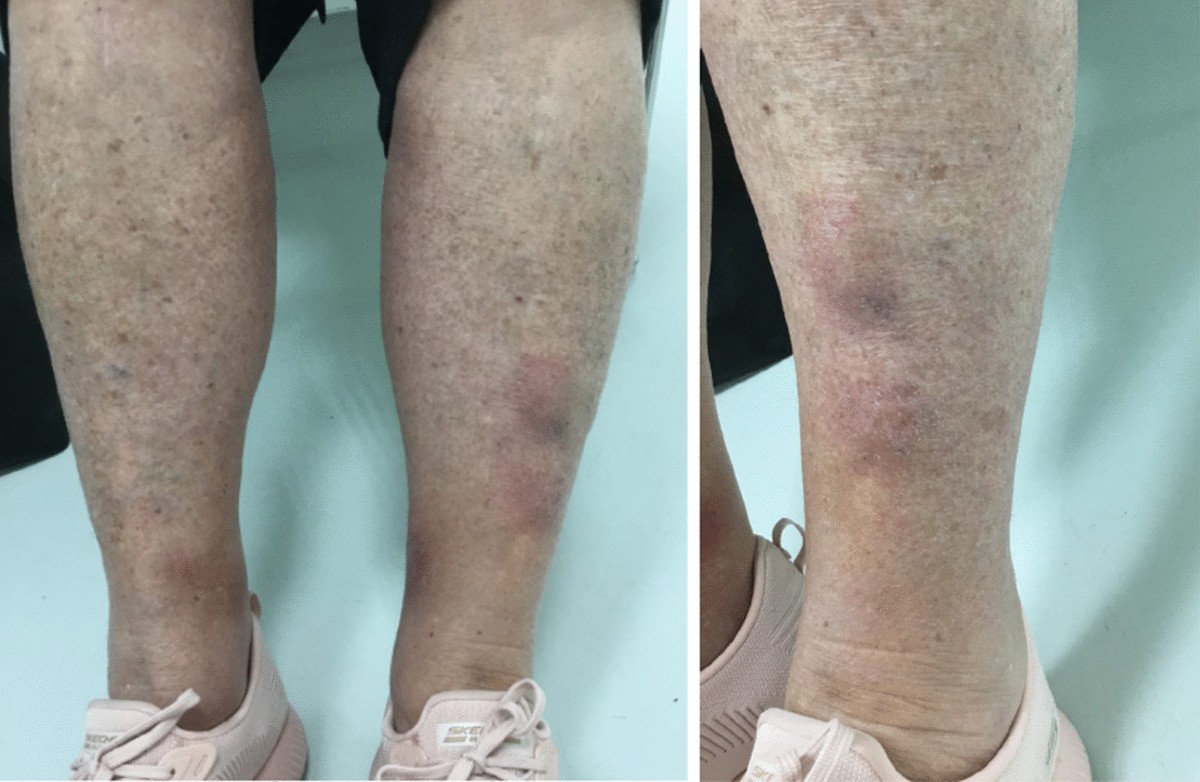
For example, if someone develops an unexplained blood clot along with persistent abdominal or back pain, unexplained weight loss, jaundice, or digestive changes, they should discuss the symptoms with a doctor.
When should you seek urgent medical attention?
A suspected blood clot should not be ignored.
Seek urgent medical evaluation if you develop sudden swelling, pain, warmth, or redness in one leg, particularly when there is no obvious explanation.
Even more importantly, a blood clot can travel to the lungs and cause a pulmonary embolism. Warning signs can include sudden shortness of breath, chest pain—especially pain that worsens with breathing—dizziness, or coughing up blood.
These symptoms require emergency medical attention.
The bottom line
Your legs cannot tell you by themselves that you have pancreatic cancer.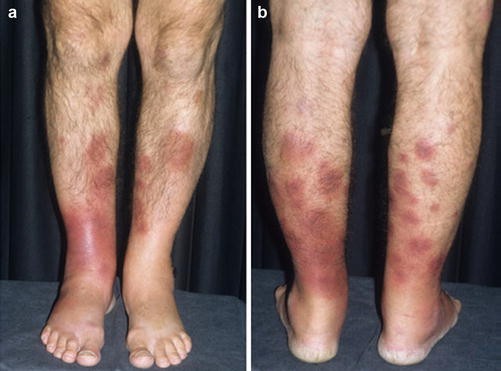
However, unexplained one-sided swelling, pain, warmth, redness, or an unusual blood clot can sometimes signal a problem that needs prompt medical attention. Because pancreatic cancer is associated with an increased risk of blood clots, doctors may consider the broader picture when evaluating an unexplained clot.
Most people with these symptoms will not have pancreatic cancer. The goal is not to panic—it is to recognize unusual changes and have them properly evaluated.
If a new symptom persists, worsens, or appears alongside other unexplained changes such as weight loss, jaundice, abdominal pain, or digestive problems, talk with a healthcare professional rather than trying to determine the cause yourself.
Sources:
- National Cancer Institute — Pancreatic Cancer Treatment (Patient Version)
- American Cancer Society — Signs and Symptoms of Pancreatic Cancer
- Pancreatic Cancer UK — Blood Clots and Pancreatic Cancer
- Cancer Research UK — Symptoms of Pancreatic Cancer
- Cancer Research UK — Cancer and the Risk of Blood Clots