Fish has long been recognized as one of the healthiest sources of animal protein. Rich in high-quality protein, vitamins, minerals, and heart-healthy fats, fish can play an important role in a balanced diet. Health organizations around the world generally recommend eating fish regularly as part of a nutritious eating pattern, particularly varieties that provide omega-3 fatty acids.
However, many people assume that healthy fish always comes with a high price tag. Salmon often receives the spotlight because of its nutritional profile, but it can be expensive or difficult to find in some areas. Fortunately, there are many other types of fish that are both nutritious and budget-friendly. Some also have relatively few small bones, making them easier to prepare and more enjoyable for children and older adults.
No single type of fish is perfect for everyone, and nutritional values vary slightly depending on where the fish comes from and how it is prepared. Still, the following four varieties are excellent options for people looking for affordable, protein-rich seafood that is relatively easy to eat.
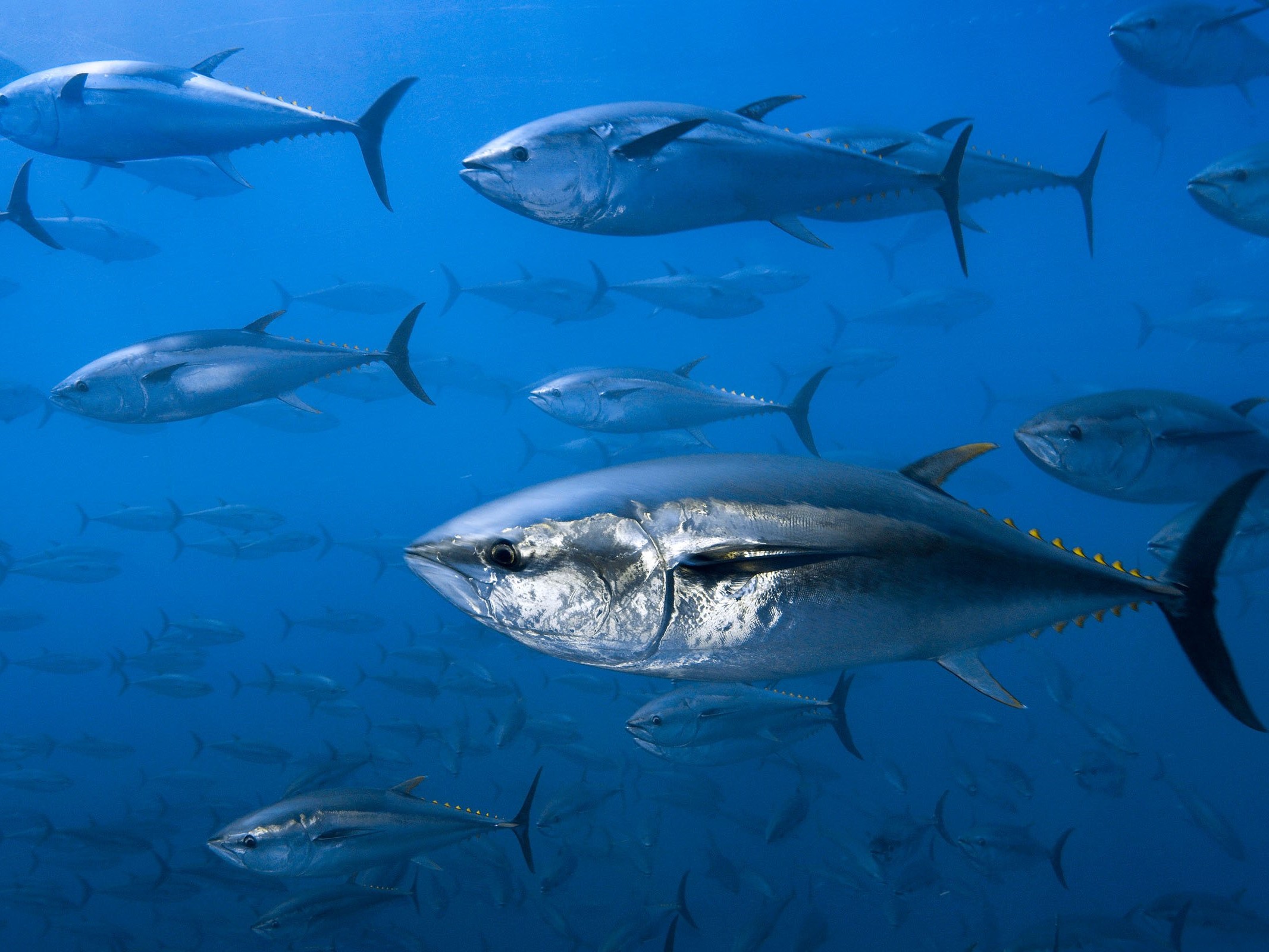
1. Tilapia
Tilapia is one of the most widely available and affordable fish in many parts of the world. Its mild flavor and firm texture make it a popular choice for people who are new to eating fish.
Because tilapia has relatively few small bones, it is easy to fillet and convenient for families.
Nutritional Benefits
Tilapia is an excellent source of lean protein while being relatively low in calories and saturated fat.
It also provides:
-
Vitamin B12
-
Selenium
-
Phosphorus
-
Niacin
-
Potassium
Protein is essential for:
-
Building and repairing muscles
-
Supporting the immune system
-
Maintaining healthy skin
-
Producing enzymes and hormones
-
Promoting feelings of fullness after meals
A typical serving of cooked tilapia provides approximately 20–25 grams of protein, depending on the portion size.
Best Cooking Methods
Tilapia works well with many cooking techniques, including:
-
Baking
-
Steaming
-
Grilling
-
Pan-searing
-
Air frying
Because of its mild taste, it pairs well with herbs, garlic, lemon, paprika, black pepper, and fresh vegetables.
2. Cod
Cod is another excellent choice for people seeking a mild, flaky fish with relatively few bones.
Its delicate flavor makes it suitable for a wide variety of cuisines.
Nutritional Benefits
Cod is naturally rich in:
-
High-quality protein
-
Vitamin B12
-
Iodine
-
Selenium
-
Vitamin B6
Iodine plays an important role in supporting normal thyroid function, while selenium contributes to antioxidant defenses in the body.
Cod is also relatively low in fat, making it a popular option for individuals following lower-fat eating plans.
Cooking Ideas
Cod is versatile and can be:
-
Baked with herbs
-
Steamed with ginger and scallions
-
Added to fish soups
-
Used in tacos
-
Grilled with lemon
Avoid deep-frying if your goal is to maximize nutritional benefits.
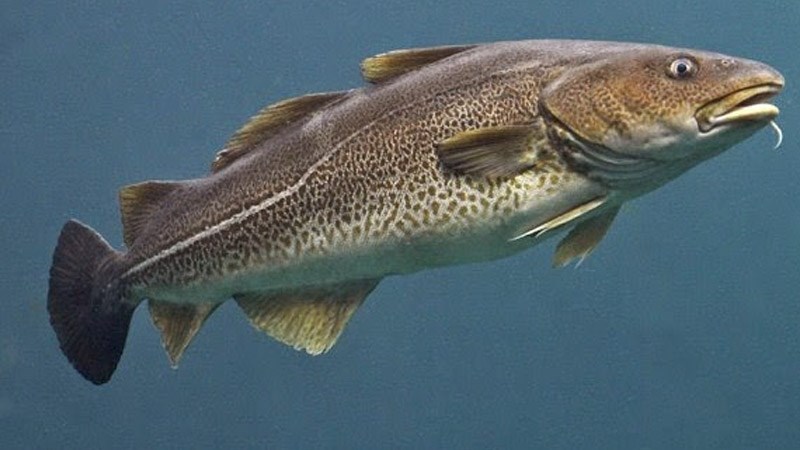
3. Catfish
Catfish is widely consumed in many countries and is often one of the most economical seafood choices available.
It has a firm texture and contains relatively few fine bones compared with many smaller fish species.
Nutritional Benefits
Catfish provides:
-
Complete protein
-
Vitamin D
-
Vitamin B12
-
Selenium
-
Phosphorus
Protein helps maintain muscle mass, which becomes increasingly important as people age.
Vitamin D contributes to healthy bones, muscles, and immune function.
Healthy Preparation Tips
Catfish is commonly fried, but healthier preparation methods include:
-
Baking
-
Grilling
-
Air frying
-
Steaming
-
Cooking in tomato-based sauces
Pairing catfish with vegetables and whole grains creates a balanced meal.
4. Pollock
Pollock is one of the world's most commonly consumed white fish and is frequently used in frozen seafood products.
It is known for being affordable, mild in flavor, and relatively easy to prepare.
Nutritional Benefits
Pollock offers:
-
High-quality protein
-
Vitamin B12
-
Selenium
-
Phosphorus
-
Small amounts of omega-3 fatty acids
Although pollock contains less omega-3 than fatty fish such as salmon, it still contributes valuable nutrients as part of a varied diet.
Its mild taste also makes it appealing to children and people who dislike stronger fish flavors.
Cooking Suggestions
Pollock works well when:
-
Baked with herbs
-
Steamed
-
Added to soups
-
Made into fish cakes
-
Served alongside roasted vegetables
Fresh or frozen pollock can both be nutritious choices when prepared with minimal added salt and saturated fat.
Why Protein Is Important
Protein is one of the body's essential nutrients.
Every cell depends on protein for normal function.
Protein helps:
-
Build muscles
-
Repair tissues
-
Support healthy skin
-
Produce hormones
-
Form enzymes
-
Maintain immune function
-
Promote satiety after meals
Adults generally need protein every day, though individual requirements vary depending on age, body size, physical activity, pregnancy, and certain medical conditions.
Including fish as one of your regular protein sources can help diversify your diet while providing important vitamins and minerals.
Other Nutrients Found in Fish
Besides protein, fish supplies many nutrients that support overall health.
Omega-3 Fatty Acids
Some fish contain omega-3 fats that contribute to heart, brain, and eye health.
Fatty fish such as salmon, sardines, and mackerel generally contain higher levels, but lean fish still contribute valuable nutrition.
Vitamin D
Certain fish naturally provide vitamin D, an important nutrient for bone health and immune function.
Vitamin B12
Vitamin B12 supports:
-
Red blood cell production
-
Nervous system function
-
DNA synthesis
Older adults and individuals with limited animal food intake may be at greater risk of deficiency.
Selenium
Selenium is an antioxidant mineral that helps protect cells from oxidative stress and supports thyroid function.
How to Choose Healthy Fish
When shopping for fish, consider these tips.
Look for Freshness
Fresh fish should have:
-
A mild smell
-
Clear eyes (for whole fish)
-
Firm flesh
-
Moist appearance
Avoid fish with a strong ammonia-like odor or slimy texture.
Frozen Fish Can Be a Great Option
Frozen fish is often processed soon after being caught, helping preserve its nutritional value.
Choose products without excessive breading or high-sodium sauces whenever possible.
Check Sustainability
If available, look for seafood certified by reputable sustainability programs.
Choosing sustainably sourced fish helps protect marine ecosystems for future generations.
Healthier Ways to Cook Fish
Preparation methods can greatly affect the nutritional quality of your meal.
Healthier cooking methods include:
-
Baking
-
Steaming
-
Grilling
-
Broiling
-
Poaching
-
Air frying
These techniques require less added fat than deep-frying while helping preserve the fish's natural flavor.
Flavor your fish with:
-
Lemon juice
-
Garlic
-
Fresh herbs
-
Black pepper
-
Paprika
-
Olive oil in moderation
How Often Should You Eat Fish?
Many dietary guidelines recommend eating fish about two times per week as part of a healthy eating pattern.
Including a variety of seafood helps provide a broader range of nutrients while reducing overreliance on any single species.
People who are pregnant, breastfeeding, or feeding young children should follow local recommendations regarding fish choices, particularly those related to mercury content.
Simple Meal Ideas
These affordable fish can easily become part of balanced meals.
Baked Tilapia with Vegetables
Serve baked tilapia alongside roasted broccoli, carrots, and brown rice.
Grilled Cod Salad
Top mixed greens with grilled cod, cherry tomatoes, cucumbers, olive oil, and lemon juice.
Catfish with Sweet Potatoes
Pair baked catfish with mashed sweet potatoes and steamed green beans.
Pollock Vegetable Soup
Combine pollock with tomatoes, onions, celery, carrots, and herbs for a light, protein-rich soup.
Common Myths About Affordable Fish
Myth 1: Expensive Fish Is Always Healthier
Price does not necessarily determine nutritional value. Many affordable fish provide excellent amounts of protein, vitamins, and minerals.
Myth 2: White Fish Has No Nutritional Value
White fish may contain less fat than oily fish, but it remains an excellent source of lean protein and several essential nutrients.
Myth 3: Frozen Fish Is Inferior
Frozen fish can be just as nutritious as fresh fish if it has been properly handled and stored.
Who Should Be Careful?
Although fish is nutritious for most people, some individuals should take extra precautions.
Consult your healthcare provider if you:
-
Have a fish or seafood allergy
-
Need a specialized diet because of kidney disease or another medical condition
-
Are pregnant and have questions about fish choices
-
Are introducing fish into a young child's diet for the first time
Always cook fish thoroughly to reduce the risk of foodborne illness unless you are consuming seafood specifically intended for raw preparation.
Final Thoughts
Eating nutritious seafood doesn't have to be expensive. Tilapia, cod, catfish, and pollock are excellent examples of affordable fish that provide high-quality protein, relatively few small bones, and a variety of essential vitamins and minerals. Their mild flavors and versatility make them easy to incorporate into a wide range of meals, whether baked, grilled, steamed, or added to soups and salads.
While salmon and other oily fish are valuable sources of omega-3 fatty acids, they are not the only healthy options available. Including a mix of both lean and fatty fish in your diet can help you enjoy a broader range of nutrients while keeping grocery costs manageable.
As with any healthy eating pattern, balance and variety are key. Pair fish with colorful vegetables, whole grains, legumes, and healthy fats for well-rounded meals that support long-term health. By choosing affordable, protein-rich fish and preparing them with nutritious cooking methods, you can enjoy delicious meals that are both satisfying and beneficial for your overall well-being.