Watermelon is a delicious, sweet fruit that is very popular in the summer due to its excellent cooling effect. With its high water content and refreshing sweetness, watermelon not only helps quench thirst but also provides many vitamins and minerals beneficial to health. However, not everyone should consume watermelon. Here are some groups of people who need to be cautious when eating this fruit to avoid adverse health effects.
1. People with Diabetes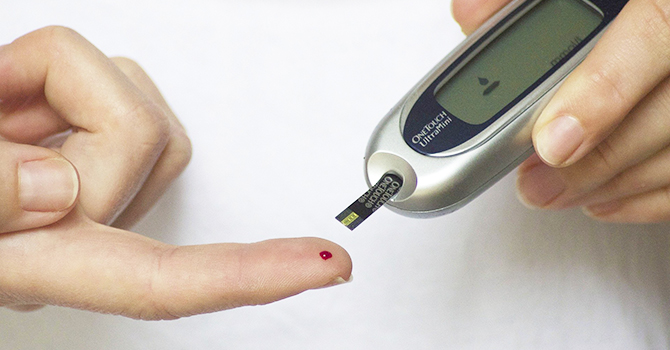
Watermelon has a relatively high glycemic index. Although it is low in calories, the sugars in watermelon are absorbed quickly into the bloodstream. People with diabetes or those at high risk should limit their watermelon intake or consult a doctor to adjust the amount appropriately, preventing sudden spikes in blood sugar levels.
2. People with Digestive Issues
Watermelon has a cooling effect and contains a lot of water. Eating too much can cause diarrhea or stomach chills for those with weak digestive systems or who suffer from stomach ulcers or irritable bowel syndrome. Therefore, this group should consume watermelon in moderation or avoid it if it causes discomfort.
3. People with Allergies
Although rare, some people may be allergic to watermelon. Allergy symptoms may include itching, redness, swelling of the lips, or difficulty breathing. If such symptoms appear after eating watermelon, stop consumption and seek medical advice promptly.
4. People with Kidney Problems or on Dialysis
Watermelon contains a high amount of potassium, which is beneficial but can cause serious health issues for people with kidney failure or those undergoing dialysis, affecting the heart and muscles. Therefore, patients should consult their doctors before consuming watermelon.
5. Young Children and the Elderly Should Eat in Moderation
Because the digestive systems and absorption abilities of young children and the elderly are not as good as adults, eating too much watermelon can cause stomach chills, diarrhea, or other digestive problems. It is best to give them small amounts of watermelon, divided into several servings.
Conclusion
Watermelon is a wonderful fruit that helps cool the body and provides many nutrients. However, not everyone can freely enjoy watermelon. People with diabetes, poor digestion, allergies, kidney problems, as well as young children and the elderly, should be cautious and consume it in moderation to avoid unwanted side effects. Always listen to your bo.dy and consult a nutrition expert or doctor when necessary to protect your health in the best way.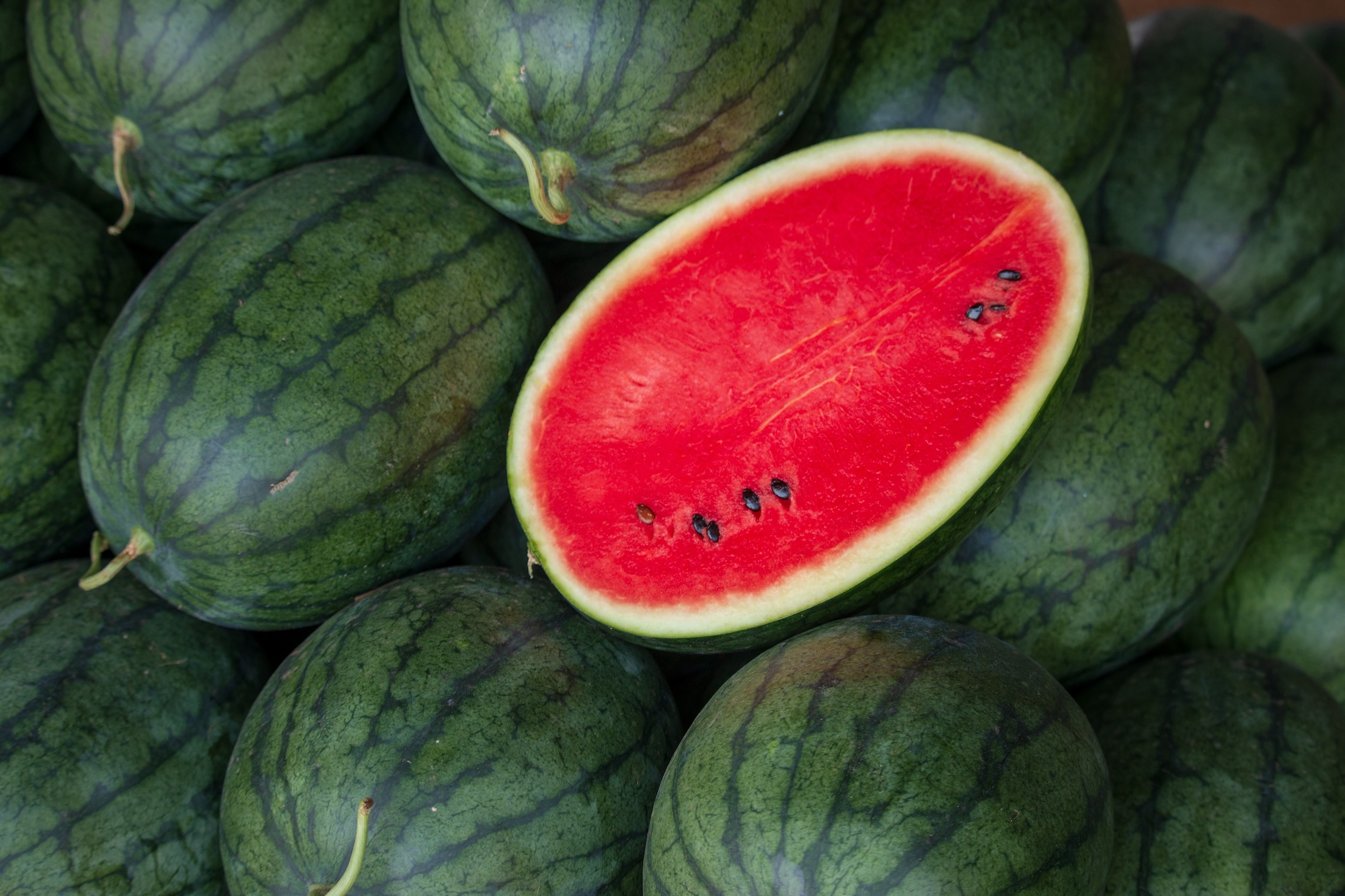
More Facts About Watermelon: Health Benefits, Possible Risks, and How to Eat It Wisely
Watermelon is more than a refreshing summer snack. It contains water, natural carbohydrates, vitamins, minerals, and plant compounds that can contribute to a healthy diet. For most people, enjoying watermelon in reasonable portions is perfectly safe.
However, the effects of watermelon can vary depending on a person's health, medications, digestive sensitivity, and overall eating habits. Understanding these differences is more useful than assuming that certain groups must avoid the fruit entirely.
6. People Who Need to Monitor Their Blood Sugar Should Pay Attention to Portion Size
Watermelon tastes sweet because it contains naturally occurring sugars. Although it is relatively low in calories, the carbohydrates it provides can raise blood glucose levels after eating.
Its glycemic index (GI) is often described as relatively high. The GI measures how quickly carbohydrate-containing foods raise blood glucose under standardized testing conditions. However, GI alone does not tell the whole story.
Watermelon contains a large amount of water, meaning that a typical serving provides a relatively modest amount of carbohydrate compared with many concentrated sweets or refined snacks. This is why the glycemic load, which considers both GI and the amount of carbohydrate eaten, can be more informative when assessing an ordinary portion.
For people with diabetes, this distinction matters. They do not necessarily need to eliminate watermelon from their diets. Instead, they should consider portion size, total carbohydrate intake, medication schedules, and individual blood glucose responses.
A few practical strategies can help:
-
Begin with a modest portion, such as approximately one cup of diced watermelon, and adjust according to individual dietary guidance.
-
Count the carbohydrates in the portion as part of the overall meal or snack.
-
Avoid consuming very large quantities in one sitting, particularly when blood glucose is difficult to control.
-
If recommended by a healthcare professional, monitor blood glucose to understand how different portions affect personal readings.
-
Choose whole watermelon rather than juice, which is easier to consume quickly and may provide less fiber per usual serving.