Your nose does much more than help you smell flowers or enjoy the aroma of your favorite meal. It plays a vital role in breathing, filtering dust and germs from the air, humidifying the air before it reaches your lungs, and serving as one of your body's first lines of defense against harmful particles. Because of its close connection to your respiratory system and overall health, changes in your nose can sometimes provide important clues about what's happening elsewhere in your body.
Most nasal symptoms are caused by relatively harmless conditions such as allergies, the common cold, dry air, or temporary irritation. However, certain symptoms that are persistent, severe, or accompanied by other warning signs may indicate an underlying medical condition that deserves professional evaluation.
It's important to remember that no single symptom can diagnose a disease. The information below is intended to raise awareness - not to replace medical advice. If you experience ongoing or concerning nasal symptoms, consult a qualified healthcare professional.
Here are 5 nose symptoms that could be associated with underlying health issues.
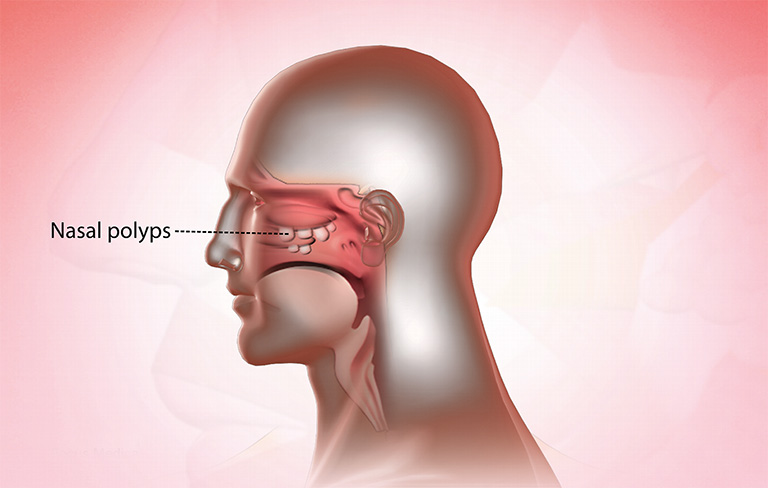
1. Frequent or Unexplained Nosebleeds
An occasional nosebleed is common and usually not serious. Dry air, vigorous nose blowing, minor injuries, or irritation from allergies can all cause the delicate blood vessels inside the nose to break.
However, frequent, heavy, or unexplained nosebleeds may warrant medical attention.
Possible Causes
Repeated nosebleeds may be associated with:
-
Chronic nasal dryness
-
Allergic rhinitis
-
Sinus infections
-
Nasal polyps
-
High blood pressure
-
Blood clotting disorders
-
Side effects of blood-thinning medications
-
Vitamin deficiencies in some cases
-
Rarely, tumors involving the nasal cavity
If nosebleeds occur several times a week, last longer than 20 minutes despite applying pressure, or are accompanied by dizziness or significant blood loss, you should seek medical evaluation promptly.
What You Can Do
To help reduce the risk of nosebleeds:
-
Keep the inside of your nose moist with saline spray if recommended.
-
Use a humidifier during dry weather.
-
Avoid picking your nose.
-
Blow your nose gently.
-
Stay well hydrated.
2. Persistent Nasal Congestion
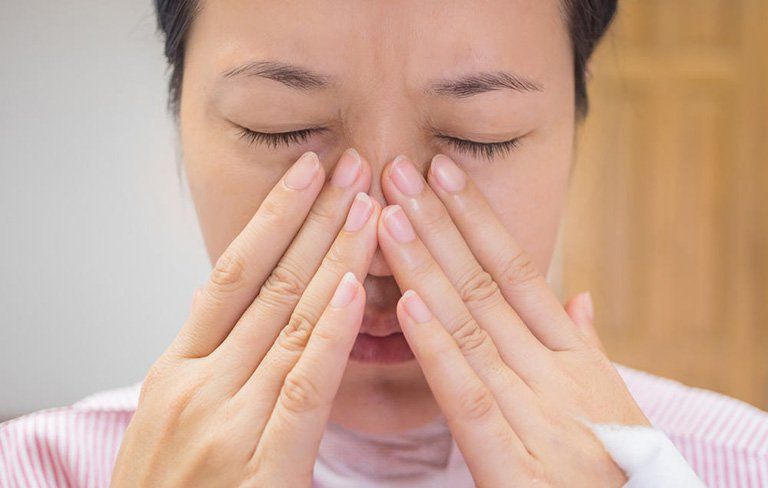
A stuffy nose during a cold is completely normal. But if nasal congestion continues for several weeks or keeps returning without an obvious cause, it may indicate an underlying condition.
Persistent congestion can interfere with sleep, reduce quality of life, and even affect your sense of smell and taste.
Possible Causes
Long-lasting nasal blockage may result from:
-
Seasonal or year-round allergies
-
Chronic sinusitis
-
Nasal polyps
-
A deviated nasal septum
-
Enlarged nasal tissues (turbinates)
-
Exposure to irritants such as cigarette smoke
-
Certain medications
-
In rare cases, growths or tumors
Congestion affecting only one side of the nose, especially if accompanied by bleeding or facial pain, deserves prompt medical evaluation.
Supporting Healthy Nasal Passages
Some helpful measures include:
-
Avoid known allergy triggers.
-
Use saline nasal rinses if advised by your healthcare provider.
-
Drink enough water.
-
Follow treatment recommendations for allergies or sinus conditions.
3. A Reduced or Lost Sense of Smell
Your ability to smell contributes not only to enjoying food but also to detecting dangers such as smoke, gas leaks, or spoiled food.
Temporary loss of smell commonly occurs during colds or viral infections because inflammation blocks odor molecules from reaching smell receptors.
However, smell loss that persists after recovery should be evaluated.
Possible Causes
A reduced sense of smell may be associated with:
-
Chronic sinus inflammation
-
Nasal polyps
-
Allergic rhinitis
-
Viral infections
-
Head injuries
-
Certain neurological disorders
-
Aging
-
Some medications
Although many cases improve over time, persistent smell changes should not be ignored.
Why It Matters
Loss of smell may affect:
-
Appetite
-
Nutrition
-
Personal safety
-
Emotional well-being
-
Overall quality of life
Early evaluation may help identify treatable causes.
4. Thick or Bloody Nasal Discharge That Doesn't Improve
Nasal mucus changes throughout illness and with environmental conditions. During a viral cold, mucus may become thicker before gradually clearing.
However, thick discharge that persists for more than 10 to 14 days or repeatedly contains blood deserves medical attention.
Possible Causes
Persistent abnormal nasal discharge may occur with:
-
Chronic sinus infections
-
Bacterial sinusitis
-
Nasal foreign bodies (especially in children)
-
Chronic inflammation
-
Nasal polyps
-
Fungal infections in some individuals
-
Rarely, tumors
Blood mixed with mucus may also result from repeated irritation, dry nasal passages, or forceful nose blowing.
When to See a Doctor
Medical evaluation is recommended if discharge is accompanied by:
-
High fever
-
Severe facial pain
-
Swelling around the eyes
-
Vision changes
-
Persistent bad odor
-
Symptoms lasting several weeks
5. A Lump, Persistent Sore, or Visible Change Inside or Around the Nose
Changes involving the skin or tissues around the nose are often overlooked because they may develop slowly.
Most small bumps are harmless, but a sore or lump that does not heal should always be examined.
Possible Causes
Persistent changes may be related to:
-
Chronic infections
-
Cysts
-
Benign growths
-
Skin cancers
-
Nasal cavity tumors (rare)
-
Autoimmune inflammatory conditions
Any sore that continues to bleed, enlarge, crust repeatedly, or fails to heal after several weeks should be evaluated by a healthcare professional.
Early diagnosis is particularly important because many skin cancers can be successfully treated when detected early.
Other Nose Symptoms Worth Paying Attention To
In addition to the five symptoms above, several other nasal changes may indicate that something deserves further attention.
Persistent Facial Pressure
Pressure around the forehead, cheeks, or eyes may suggest ongoing sinus inflammation.
Chronic Sneezing
Frequent sneezing may indicate allergies, environmental irritants, or other inflammatory conditions.
Itching Inside the Nose
Persistent itching commonly occurs with allergic rhinitis but may also result from irritation or dryness.
Whistling While Breathing
This could indicate narrowing inside the nasal passages or structural changes that should be evaluated.
Difficulty Breathing Through One Nostril
While temporary blockage is common during infections, ongoing one-sided obstruction may require examination by an ear, nose, and throat (ENT) specialist.
How Doctors Evaluate Nasal Symptoms
Depending on your symptoms, your healthcare provider may recommend one or more of the following:
-
A detailed medical history
-
Physical examination
-
Nasal endoscopy
-
Allergy testing
-
Imaging studies such as a CT scan
-
Laboratory tests if infection or other systemic conditions are suspected
These evaluations help determine the underlying cause and guide appropriate treatment.
Tips for Maintaining Good Nasal Health
Healthy daily habits can help support normal nasal function and reduce irritation.
Stay Hydrated
Drinking enough water helps keep mucus thin and easier to clear.
Manage Allergies
Follow your healthcare provider's recommendations if you have seasonal or perennial allergies.
Avoid Tobacco Smoke
Smoking and secondhand smoke irritate the nasal lining and may increase the risk of chronic respiratory problems.
Practice Good Hand Hygiene
Frequent handwashing helps reduce the spread of viruses that commonly affect the nose and sinuses.
Use Nasal Sprays Correctly
Over-the-counter decongestant nasal sprays should only be used for the recommended duration, as prolonged use may worsen congestion.
Protect Yourself From Irritants
Limit exposure to dust, chemical fumes, and strong fragrances if they trigger symptoms.
When Should You Seek Immediate Medical Care?
Seek urgent medical attention if you experience:
-
A nosebleed that will not stop after applying firm pressure for about 20 minutes
-
Heavy bleeding after a facial injury
-
Difficulty breathing
-
Swelling around the eyes with fever
-
Severe headache accompanied by confusion
-
Clear fluid leaking from the nose after a significant head injury
-
Sudden facial swelling or rapidly worsening symptoms
These situations require prompt medical evaluation.
Final Thoughts
Your nose often provides valuable clues about your overall health. While most nasal symptoms are caused by common and treatable conditions such as allergies, colds, or dry air, persistent or unusual symptoms should not be dismissed. Frequent nosebleeds, long-lasting congestion, loss of smell, abnormal nasal discharge, and sores or lumps that do not heal may all signal the need for a medical assessment.
Paying attention to changes in your body and seeking care when symptoms persist can lead to earlier diagnosis and more effective treatment. Maintaining good nasal hygiene, staying hydrated, avoiding irritants, and managing allergies are simple steps that support nasal health, but they are not substitutes for professional evaluation when warning signs appear.
If you notice any of these symptoms lasting more than a few weeks, worsening over time, or occurring alongside other concerning signs such as fever, unexplained weight loss, severe pain, or persistent bleeding, schedule an appointment with a healthcare professional. Early evaluation is the best way to identify the cause and receive appropriate care.