Heart attacks are often imagined as sudden and dramatic events that happen without warning. However, medical experts say the body may sometimes send warning signs days, weeks, or even months before a heart attack actually occurs. Recognizing these symptoms early may help people seek medical attention sooner and potentially prevent life-threatening complications.
Heart disease remains one of the leading causes of death worldwide, and many people overlook early symptoms because they seem mild, unrelated, or easy to dismiss. In some cases, the warning signs may appear gradually rather than all at once.
It is important to remember that these symptoms do not automatically mean a heart attack is coming. Many conditions can cause similar symptoms. Still, persistent or unusual changes — especially in people with risk factors such as high blood pressure, diabetes, smoking, obesity, or family history of heart disease — deserve serious attention.
What Happens During a Heart Attack?
A heart attack occurs when blood flow to part of the heart muscle becomes blocked, usually because of plaque buildup and blood clots inside coronary arteries.
Without enough oxygen-rich blood, heart muscle cells begin to suffer damage.
Quick medical treatment is extremely important because delayed treatment increases the risk of:
- Permanent heart damage
- Heart failure
- Dangerous heart rhythms
- Death
This is why recognizing possible warning signs matters so much.

1. Unusual Fatigue
One of the most commonly reported early warning signs — especially in women — is unusual or extreme fatigue.
This fatigue may feel:
- Persistent
- Unexplained
- Different from normal tiredness
People sometimes describe:
- Feeling drained after minor activity
- Difficulty completing everyday tasks
- Sudden exhaustion without clear reason
The heart may struggle to pump efficiently when circulation problems develop, potentially contributing to reduced energy levels.
Because fatigue is common and nonspecific, many people ignore it.
2. Chest Discomfort or Pressure
Chest discomfort remains one of the classic heart attack warning signs.
However, the sensation is not always severe pain.
Some people experience:
- Pressure
- Tightness
- Burning
- Fullness
- Squeezing sensation
The discomfort may:
- Come and go
- Worsen with activity
- Improve temporarily with rest
Not everyone experiences dramatic chest pain, especially women, older adults, and people with diabetes.
3. Shortness of Breath
Difficulty breathing may sometimes appear before a heart attack.
People may notice:
- Breathlessness during simple tasks
- Trouble climbing stairs
- Feeling winded unexpectedly
Shortness of breath may occur:
- With chest discomfort
- Before chest symptoms
- Even while resting
This symptom may develop because the heart struggles to pump blood effectively.
4. Pain Spreading to Other Areas
Heart-related discomfort does not always stay in the chest.
Pain may spread to:
- The arms
- Back
- Neck
- Jaw
- Shoulders
- Upper abdomen
Left arm pain is especially well known, but some individuals experience discomfort in completely different areas.
Women sometimes report:
- Jaw pain
- Upper back discomfort
- Neck pressure
instead of classic chest pain.
5. Nausea, Sweating, or Dizziness
Some people experience flu-like symptoms before or during a heart attack.
Possible signs include:
- Cold sweats
- Nausea
- Lightheadedness
- Dizziness
- Sudden weakness
These symptoms may occur because reduced blood flow affects the body’s stress response and circulation.
Sudden unexplained sweating combined with chest discomfort should never be ignored.

Heart Attack Symptoms Can Differ Between Men and Women
Men often experience:
- More obvious chest pain
- Pressure in the chest
- Left arm discomfort
Women may be more likely to report:
- Fatigue
- Nausea
- Shortness of breath
- Jaw or back pain
Because symptoms may appear less typical, women’s heart attacks are sometimes recognized later.
Common Heart Disease Risk Factors
Several factors increase heart attack risk, including:
- High blood pressure
- Smoking
- Diabetes
- High cholesterol
- Obesity
- Physical inactivity
- Chronic stress
- Family history of heart disease
Managing these risk factors may significantly reduce long-term cardiovascular risk.
Never Ignore Emergency Symptoms
Emergency medical attention is critical if someone experiences:
- Severe chest pain
- Difficulty breathing
- Sudden weakness
- Fainting
- Pressure spreading to arms or jaw
Quick treatment saves heart muscle and improves survival chances.
Why Early Detection Matters
Heart disease often develops gradually over many years.
Plaque buildup inside arteries may progress silently before major symptoms appear.
Early medical evaluation may help identify:
- Blocked arteries
- High blood pressure
- Cholesterol problems
- Circulation issues
before a heart attack occurs.
Healthy Habits That Support Heart Health
Experts commonly recommend:
- Regular exercise
- Healthy diet
- Avoiding smoking
- Managing stress
- Maintaining healthy weight
- Monitoring blood pressure
- Controlling diabetes
Long-term lifestyle habits strongly influence cardiovascular wellness.
Stress and Heart Health
Chronic stress may affect:
- Blood pressure
- Sleep quality
- Inflammation
- Heart rhythm
Mental health and emotional well-being play important roles in heart health too.
The Body Often Sends Subtle Signals
Many people later realize they experienced symptoms before a heart attack but dismissed them as:
- Stress
- Aging
- Indigestion
- Fatigue
Listening carefully to unusual changes in the body may encourage earlier medical attention.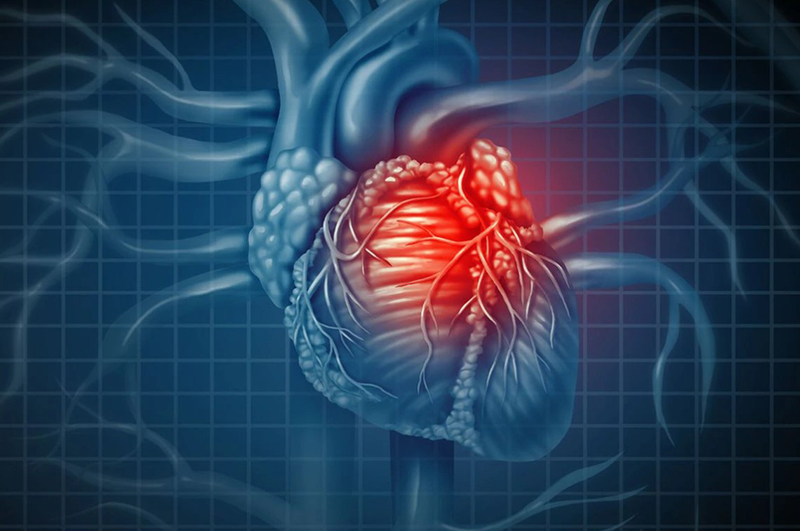
Final Thoughts
Heart attacks do not always happen without warning. Symptoms such as unusual fatigue, chest discomfort, shortness of breath, spreading pain, nausea, sweating, or dizziness may sometimes appear days or weeks before a major cardiac event.
Although these symptoms can have many possible causes, persistent or unusual warning signs - especially in people with cardiovascular risk factors should never be ignored.
Understanding these early clues and seeking timely medical care may help protect heart health, reduce complications, and potentially save lives.