The Deadly Sleeping Mistake That Can Quietly Sabotage Your Heart and Brain Overnight
Sleep is one of the most essential processes for maintaining overall health. During the night, your body repairs tissues, balances hormones, and supports brain function. However, certain sleep habits can quietly interfere with these processes — sometimes in ways that affect your heart and brain over time.
One commonly overlooked issue is not a single “deadly mistake,” but rather a set of poor sleep habits that, when repeated regularly, may negatively impact cardiovascular and neurological health.
Here’s what you need to know.
1. Chronic Sleep Deprivation
Consistently sleeping too little is one of the most harmful sleep-related behaviors.
When you don’t get enough rest, your body experiences increased stress hormone levels, higher blood pressure, and inflammation. Over time, these changes can place extra strain on the heart and may also impair memory, focus, and emotional regulation in the brain.
2. Irregular Sleep Schedule
Going to bed and waking up at different times every day can disrupt your internal body clock, also known as the circadian rhythm.
This disruption can affect blood pressure regulation, heart rhythm stability, and brain recovery processes. Studies have shown that irregular sleep patterns are linked to a higher risk of cardiovascular issues and cognitive decline.
3. Sleeping in a Poor Environment
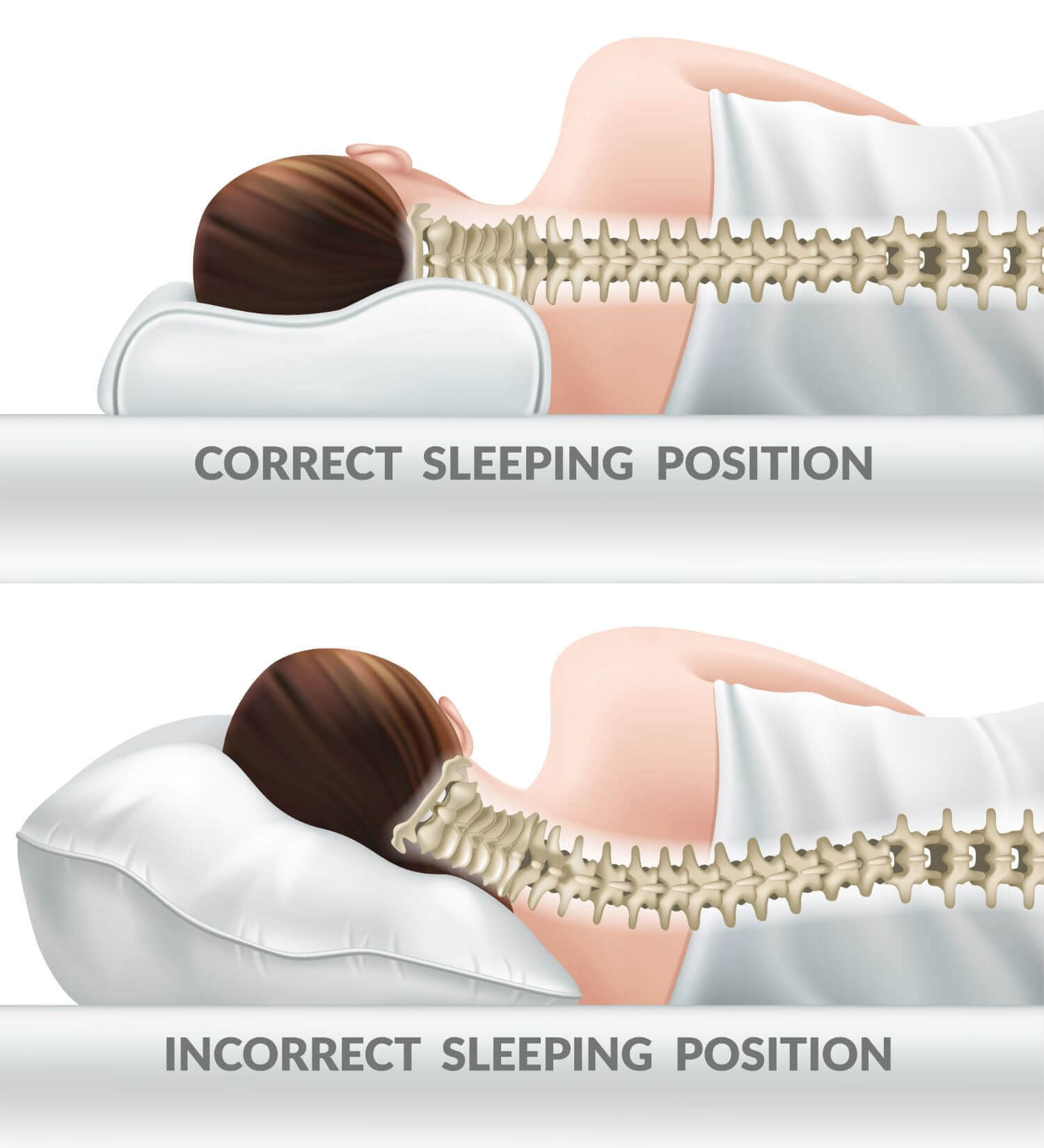
Your sleep environment plays a major role in sleep quality. Factors such as excessive light, noise, or high temperatures can prevent deep, restorative sleep.
Without enough deep sleep, the brain has less time to clear waste products, and the cardiovascular system does not fully recover overnight.
4. Ignoring Sleep Apnea Symptoms
Sleep apnea is a condition where breathing repeatedly stops and starts during sleep. Many people are unaware they have it.
Untreated sleep apnea can reduce oxygen levels in the blood, placing strain on the heart and affecting brain function. Over time, it may increase the risk of high blood pressure, heart disease, and memory problems.
5. Using Stimulants Before Bed
Caffeine, nicotine, and even excessive screen exposure before bedtime can interfere with your ability to fall and stay asleep.
These stimulants can delay sleep onset and reduce sleep quality, preventing the heart and brain from getting the full restorative benefits of rest.
Why Sleep Matters for Your Heart and Brain
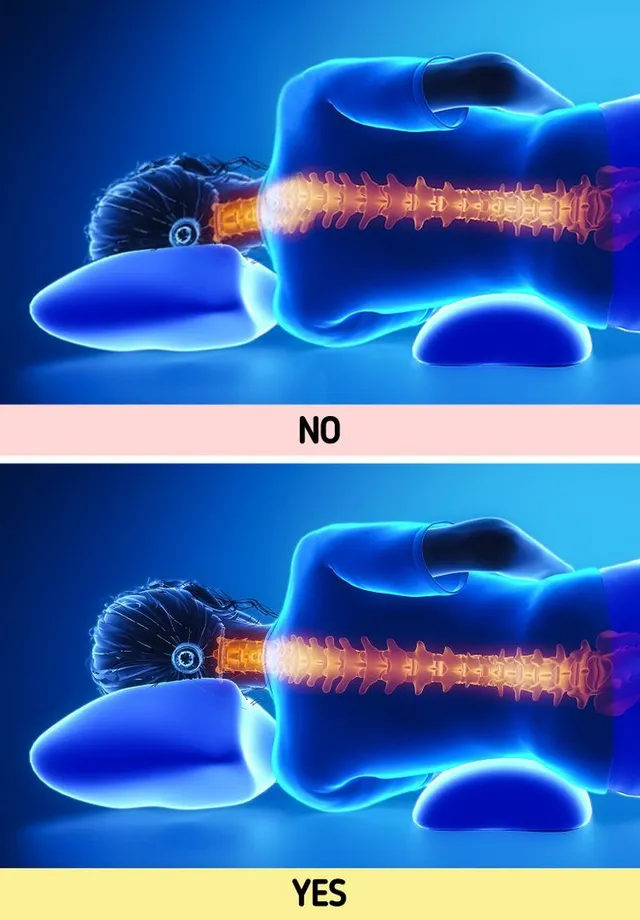
During deep sleep, your heart rate slows, blood pressure drops, and the brain performs essential maintenance tasks, including memory consolidation and toxin removal.
When sleep is consistently disrupted, these processes become less effective, which may gradually affect both cardiovascular and cognitive health.
Final Thoughts
There is no single “deadly sleeping mistake,” but rather a pattern of habits that can quietly undermine your health over time. Poor sleep quality, irregular schedules, and untreated sleep disorders can all place stress on both the heart and brain.
Improving sleep hygiene — such as maintaining a consistent bedtime, creating a calm sleep environment, and avoiding stimulants before bed — can help support long-term health and well-being.
If you consistently struggle with sleep, it may be worth consulting a healthcare professional to rule out underlying conditions.