
These 5 Vegetables Can Contain Hidden Worms — Be Careful When Eating Them Raw
Do Vegetables Really Contain “Hidden Worms”? The Truth About Parasites, Raw Foods, and Food Safety
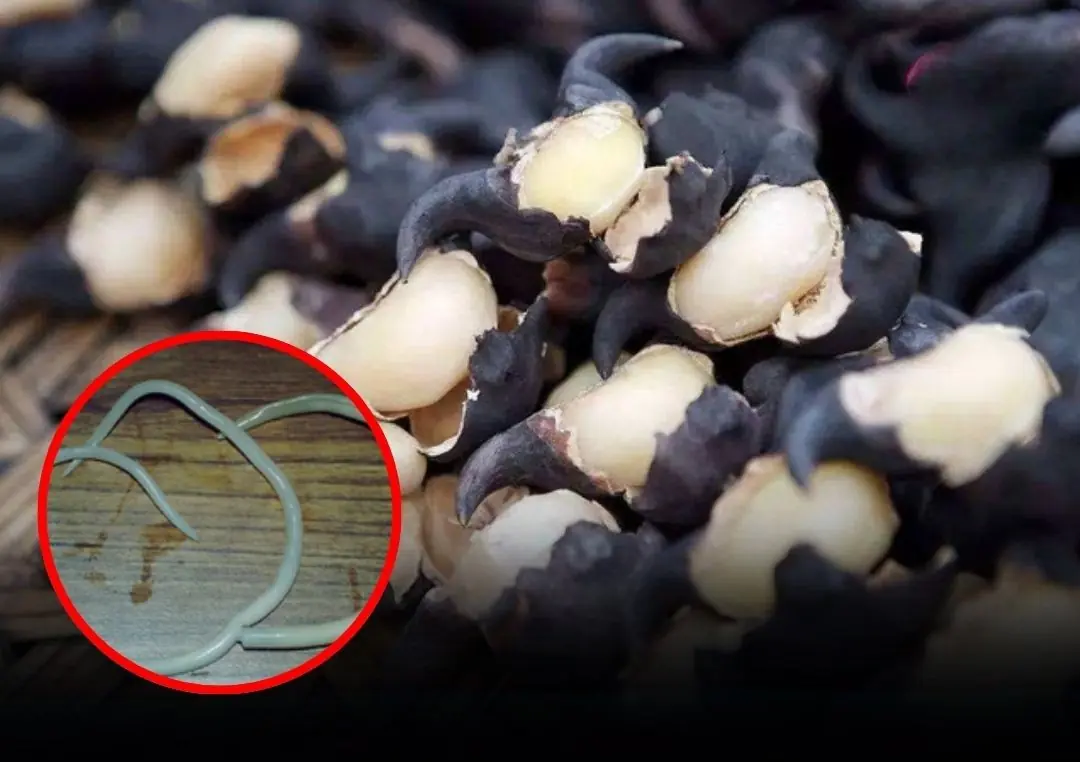
Images and headlines claiming that “vegetables contain nests of hidden worms” and that eating them raw is equivalent to “swallowing parasites” can be alarming. These messages spread quickly online, often creating unnecessary fear around healthy foods.
The truth is more nuanced. Vegetables do not naturally contain parasite nests, and eating raw vegetables does not automatically infect you with worms. However, improperly washed or contaminated produce can carry parasite eggs or larvae, which is why correct handling matters.
Understanding the science helps protect your health — without panic.
Where Does This Fear Come From?
The fear usually comes from:
-
Misidentified plant fibers mistaken for worms
-
Images of parasites taken out of context
-
Real but rare cases of food contamination
-
Sensational headlines designed to shock
In many viral images, what looks like “worms” is actually plant tissue, roots, or natural fibers, not parasites.
Can Parasites Be Found on Vegetables?
Yes — but not in the way social media claims.
Vegetables grown in soil can occasionally be contaminated with:
-
Parasite eggs from animal feces
-
Bacteria from polluted water
-
Insects or larvae on the surface
This contamination happens on the outside of vegetables, not hidden nests inside them. Proper cleaning removes the risk.
Vegetables Commonly Mentioned — and the Real Risk
Certain vegetables are often singled out in viral posts because they grow close to the ground:
1. Leafy Greens (Lettuce, Spinach, Herbs)
Their layered leaves can trap dirt, bacteria, or parasite eggs on the surface, not inside.
2. Water Plants (Watercress, Lotus, Aquatic Greens)
If grown in polluted water, they may carry parasites, which is why they should never be eaten raw unless sourced safely.
3. Root Vegetables (Carrots, Radishes)
Soil contact increases contamination risk, but washing and peeling removes it completely.
4. Cabbage and Broccoli
Their dense structure may hold dirt, but thorough washing is effective.
5. Sprouts
Sprouts are more vulnerable to bacterial growth, which is why many health agencies advise cooking them, especially for high-risk individuals.
None of these vegetables contain “nests of worms” by nature.
What Happens If You Eat an Unwashed Vegetable?
Eating an unwashed vegetable does not guarantee infection. The human digestive system is resilient. However, repeated exposure to contaminated food can increase the risk of:
-
Intestinal parasites
-
Bacterial infections
-
Digestive upset
The risk depends on hygiene, environment, and immune health, not the vegetable itself.
How to Eat Vegetables Safely (Without Fear)
1. Wash Thoroughly
Rinse vegetables under running water. For leafy greens:
-
Separate leaves
-
Wash individually
-
Drain well
2. Soak When Necessary
Soaking vegetables in clean water for 10–15 minutes helps loosen dirt. Vinegar or salt water may reduce microbes but does not replace rinsing.
3. Peel When Appropriate
Peeling root vegetables further reduces risk.
4. Cook High-Risk Vegetables
Water plants, sprouts, and vegetables from uncertain sources should be cooked.
5. Buy From Reliable Sources
Clean farming practices dramatically reduce contamination risk.
News in the same category


Noticing Red Dots Like These? Your Body Could Be Sending a Warning

Why Your Throat Feels Mucusy: The Real Reasons Behind That Sticky Sensation

Why Eating Tilapia May Be More Harmful Than You Think

The truth about the black vein in shrimp: What it is and what happens if you eat it?
The black vein in shrimp explained: What it is and whether you should remove it

What doctors say happens to your body when you eat okra?
Eating okra: What it does to your body, explained by doctors

Carob (Ceratonia siliqua): Health Benefits and Everyday Homemade Uses
Carob (Ceratonia siliqua): Benefits, Nutrition, and How to Use It at Home

People whose mouths feel dry when sleeping at night need to know these 8 reasons

Doctors Warn: Eating Cashews May Have Unexpected Health Effects

What Happens to the Body After Gallb.ladder Removal? Three Conditions That May Follow
After Gallbladder Removal: 3 Conditions You Could Develop

Prepare This Homemade Syrup to Help Soothe Cough, Phlegm, and Flu Symptoms
Two everyday ingredients with surprisingly complementary properties.

Beyond wearing warm clothing, doctors say there are two key factors that help create a “soft armor” for the body—reducing the risk of stroke and hypoglycemia.
Staying warm is only half the battle.

If you find a centipede at home, here is what it means...
🏠 What It Means When You See a Centipede in Your Home

Warning signs you may have a brain hemorrhage, don't ignore them or you'll regret it too late

4 Things You Should Never Say At A Funeral — No Matter What
Funerals are intensely emotional occasions filled with mourning, introspection, and remembering

12 Strange Skin Signs That Could Reveal Hidden Diabetes
Unusual skin changes may be early warning signs of hidden diabetes.

Simple Ways to Reduce Nighttime Wake - Ups and Improve Sleep Quality

The World’s Deadliest Food” Kills More Than 200 People a Year — Yet Millions Still Eat It

Eating Chicken Eggs Can Be Harmful for These 5 Groups of People — Here’s Why
News Post

9 Natural Ways to Clear Mucus from the Lungs

Noticing Red Dots Like These? Your Body Could Be Sending a Warning

Why Your Throat Feels Mucusy: The Real Reasons Behind That Sticky Sensation

Why Eating Tilapia May Be More Harmful Than You Think

The truth about the black vein in shrimp: What it is and what happens if you eat it?
The black vein in shrimp explained: What it is and whether you should remove it

What doctors say happens to your body when you eat okra?
Eating okra: What it does to your body, explained by doctors

Carob (Ceratonia siliqua): Health Benefits and Everyday Homemade Uses
Carob (Ceratonia siliqua): Benefits, Nutrition, and How to Use It at Home

People whose mouths feel dry when sleeping at night need to know these 8 reasons

Bread Dipping Oil: A Simple Classic That Elevates Any Meal
A fragrant olive oil blend that turns simple bread into a gourmet treat.

Doctors Warn: Eating Cashews May Have Unexpected Health Effects

What Happens to the Body After Gallb.ladder Removal? Three Conditions That May Follow
After Gallbladder Removal: 3 Conditions You Could Develop

Prepare This Homemade Syrup to Help Soothe Cough, Phlegm, and Flu Symptoms
Two everyday ingredients with surprisingly complementary properties.

Beyond wearing warm clothing, doctors say there are two key factors that help create a “soft armor” for the body—reducing the risk of stroke and hypoglycemia.
Staying warm is only half the battle.

Lost Spanish Mission Found in Texas

What happens to your blo.od pressure when you eat bananas every day?
High blo.od pressure, or hypertension, is a widespread health concern that affects millions of people worldwide.

Try this tip now to make your washing machine run smoothly without having to call a repairman
If the washing machine makes a loud, annoying noise.

If you find a centipede at home, here is what it means...
🏠 What It Means When You See a Centipede in Your Home

10 Signs You’re Eating Too Much Sugar
Sugar is often criticized for its negative health effects, but despite its reputation in scientific studies and media headlines, it remains an essential energy source for the human body.

Warning signs you may have a brain hemorrhage, don't ignore them or you'll regret it too late