Vegetables are widely recognized as one of the cornerstones of a healthy diet. Rich in vitamins, minerals, fiber, and beneficial plant compounds, they play an important role in supporting heart health, digestive function, immune health, and overall well-being. Health organizations around the world consistently recommend eating a variety of vegetables every day.
However, even the healthiest vegetables can pose risks if they are stored, prepared, or cooked improperly. In most cases, the vegetables themselves are not the problem. Instead, issues such as mold growth, bacterial contamination, improper storage, or naturally occurring plant toxins can make certain vegetables less safe to eat.
The good news is that these risks are largely preventable with proper food handling.
Here are 5 vegetables that deserve a little extra attention and how to enjoy them safely.
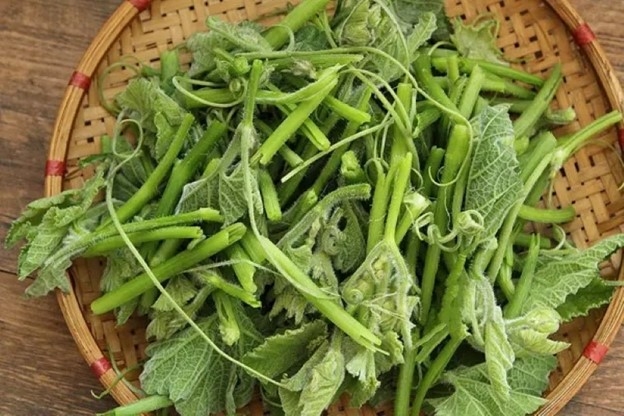
Why Proper Food Handling Matters
Fresh vegetables travel through many stages before reaching your plate.
They may be:
-
Grown in soil
-
Harvested
-
Transported
-
Stored
-
Displayed
-
Prepared
-
Cooked
At each step, contamination or spoilage can occur if proper hygiene and storage practices are not followed.
Safe handling helps reduce the risk of:
-
Foodborne illness
-
Mold exposure
-
Nutrient loss
-
Food waste
1. Potatoes: Be Careful With Green or Sprouting Potatoes
Potatoes are nutritious and provide:
-
Vitamin C
-
Potassium
-
Vitamin B6
-
Fiber (especially with the skin)
However, potatoes naturally produce compounds called glycoalkaloids, including solanine and chaconine.
Why Do Potatoes Turn Green?
Exposure to light causes potatoes to produce chlorophyll, which gives them a green color.
The green color itself is harmless.
However, it often indicates increased levels of glycoalkaloids.
What Are Glycoalkaloids?
These naturally occurring compounds help protect potatoes from insects and disease.
In large amounts, glycoalkaloids may cause symptoms such as:
-
Nausea
-
Vomiting
-
Diarrhea
-
Stomach pain
Severe poisoning is uncommon but has been reported after consuming potatoes with very high glycoalkaloid levels.
How to Reduce the Risk
-
Store potatoes in a cool, dark place.
-
Avoid prolonged exposure to light.
-
Remove small sprouts before cooking.
-
Discard potatoes that are extensively green, bitter, shriveled, or heavily sprouted.
2. Leafy Greens: Wash Thoroughly Before Eating
Leafy vegetables such as:
-
Lettuce
-
Spinach
-
Kale
-
Arugula
are among the healthiest foods available.
However, because they are often eaten raw, they have also been linked to outbreaks of foodborne illness when contaminated.
Possible Sources of Contamination
Leafy greens may become contaminated through:
-
Soil
-
Irrigation water
-
Animals
-
Improper handling
-
Cross-contamination during preparation
Potential bacteria include:
-
Escherichia coli (E. coli)
-
Salmonella
-
Listeria monocytogenes
Most commercially available vegetables are safe, but proper washing remains important.
Safe Preparation Tips
-
Wash hands before handling produce.
-
Rinse leaves under running water.
-
Remove damaged outer leaves.
-
Dry with a clean towel or salad spinner.
Avoid washing leafy greens with soap or detergent.
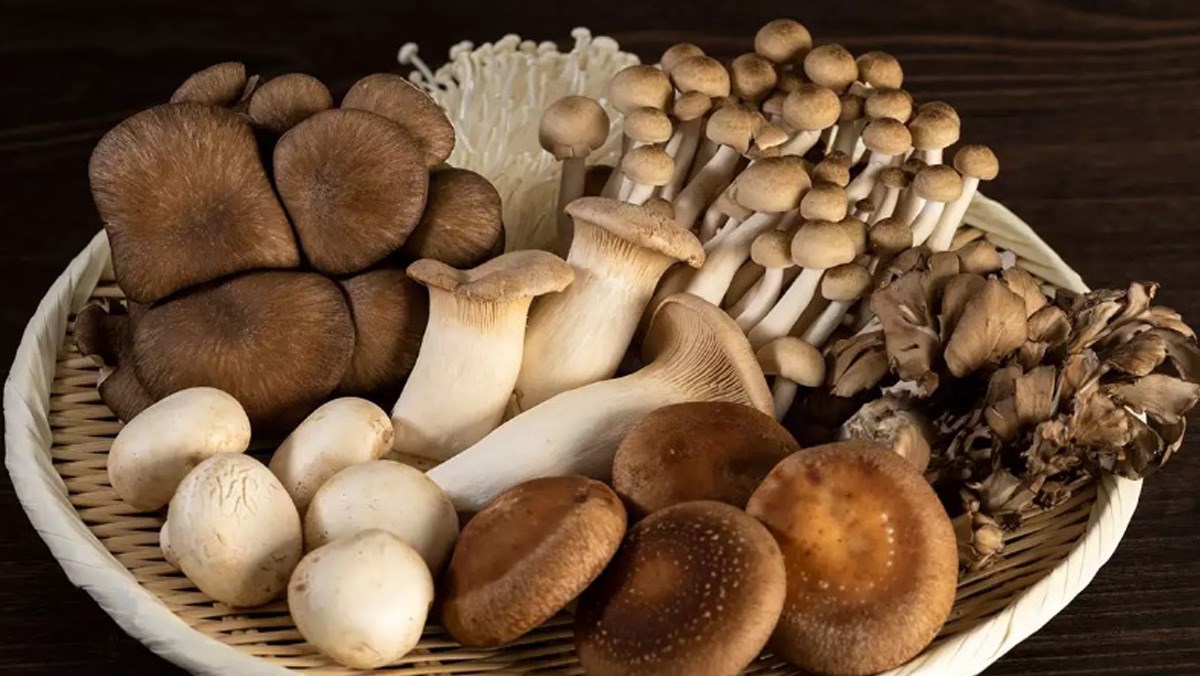
3. Mushrooms: Only Eat Properly Identified Edible Varieties
Although mushrooms are technically fungi rather than vegetables, they are commonly grouped with vegetables in cooking.
Store-bought mushrooms such as:
-
White button mushrooms
-
Cremini
-
Portobello
-
Shiitake
are generally safe when properly handled and cooked.
Wild Mushrooms Can Be Dangerous
Some wild mushrooms closely resemble edible varieties.
Mistaken identification can lead to serious poisoning.
Symptoms may include:
-
Vomiting
-
Diarrhea
-
Liver damage
-
Kidney damage
Never eat wild mushrooms unless they have been identified by an experienced expert.
Storage Tips
Fresh mushrooms should be:
-
Refrigerated
-
Kept dry
-
Used before they become slimy or develop an unpleasant odor
Discard mushrooms showing signs of spoilage.
4. Cassava: Requires Proper Preparation
Cassava is a staple food in many parts of the world.
It is used to make:
-
Tapioca
-
Cassava flour
-
Various traditional dishes
Raw cassava naturally contains compounds known as cyanogenic glycosides.
Why Preparation Matters
If cassava is not peeled, soaked, and cooked properly, these compounds can release small amounts of cyanide.
Traditional preparation methods significantly reduce this risk.
Commercial cassava products are generally processed safely.
Safe Practices
-
Purchase cassava from reputable sources.
-
Follow proper preparation instructions.
-
Never eat raw cassava.
5. Bean Sprouts: A Higher Risk of Bacterial Growth
Bean sprouts are nutritious and commonly added to:
-
Salads
-
Sandwiches
-
Stir-fries
-
Soups
However, the warm, humid conditions used during sprouting can also encourage bacterial growth.
Possible Bacteria
Occasionally, sprouts have been associated with:
-
Salmonella
-
E. coli
Outbreaks remain relatively uncommon but have occurred.
Who Should Be Especially Careful?
Higher-risk individuals include:
-
Pregnant women
-
Older adults
-
Young children
-
People with weakened immune systems
These groups may wish to eat cooked sprouts rather than raw sprouts.
Cooking helps reduce bacterial contamination.
What About Moldy Vegetables?
Any vegetable showing significant mold growth should be evaluated carefully.
Some molds produce compounds called mycotoxins, although this is more common in certain grains and nuts than in fresh vegetables.
If vegetables become:
-
Slimy
-
Moldy
-
Bad-smelling
-
Soft and decomposed
they should generally be discarded.
Simply cutting away mold may not always remove contamination, especially in soft vegetables.
The Importance of Refrigeration
Proper storage helps slow bacterial growth.
Most fresh vegetables should be refrigerated soon after purchase unless they are vegetables that store better at room temperature, such as whole onions, garlic, winter squash, or properly stored potatoes.
Follow storage recommendations for each vegetable.
Avoid Cross-Contamination
Vegetables can become contaminated during preparation.
Simple precautions include:
-
Using clean cutting boards.
-
Washing knives after cutting raw meat.
-
Keeping raw meat separate from fresh produce.
-
Washing hands frequently during food preparation.
Cross-contamination is a common cause of foodborne illness.
Should You Eat Raw or Cooked Vegetables?
Both offer benefits.
Raw Vegetables
May retain more vitamin C and certain heat-sensitive nutrients.
Examples include:
-
Lettuce
-
Cucumbers
-
Bell peppers
Cooked Vegetables
Cooking may improve the availability of some nutrients, such as:
-
Lycopene in tomatoes
-
Beta-carotene in carrots
Cooking also helps reduce harmful bacteria on vegetables.
A combination of raw and cooked vegetables is often the best approach.
Can Cooking Destroy Toxins?
Sometimes.
For example:
-
Proper cooking greatly reduces the natural toxins in cassava.
-
Cooking destroys many harmful bacteria.
-
However, cooking does not reliably destroy all toxins produced by molds.
This is another reason spoiled vegetables should be discarded.

Tips for Buying Fresh Vegetables
Choose vegetables that are:
-
Firm
-
Brightly colored
-
Free of excessive bruising
-
Free of mold
-
Without unpleasant odors
Fresh vegetables generally last longer and retain more nutrients when stored correctly.
How to Reduce Food Waste Safely
Instead of throwing away vegetables unnecessarily:
-
Freeze extra vegetables.
-
Use older vegetables in soups or stews if they are still safe.
-
Store produce correctly.
-
Buy realistic quantities.
However, never try to "save" vegetables that show clear signs of spoilage.
Common Myths About Vegetables
Myth 1: Green Potatoes Are Always Safe if You Peel Them
Peeling removes some glycoalkaloids, but potatoes that are extensively green or taste bitter should generally be discarded.
Myth 2: Washing Vegetables Removes Every Germ
Washing helps reduce dirt and some microorganisms but cannot guarantee complete removal of all pathogens.
Myth 3: Mold Can Always Be Cut Away
For soft vegetables, mold may spread beneath the surface.
Discard heavily moldy produce.
Myth 4: Organic Vegetables Never Carry Bacteria
Organic and conventionally grown vegetables can both become contaminated.
Safe handling is important regardless of how produce is grown.
Building a Safe and Healthy Plate
A nutritious meal may include:
-
Fresh leafy greens
-
Steamed broccoli
-
Roasted carrots
-
Baked potatoes
-
Grilled fish or beans
-
Whole grains
Choosing a variety of colorful vegetables helps provide a broad range of nutrients while reducing reliance on any single food.
When Should You Seek Medical Care?
Seek medical attention if you develop symptoms of foodborne illness such as:
-
Severe vomiting
-
Persistent diarrhea
-
High fever
-
Bloody stools
-
Signs of dehydration
-
Symptoms lasting more than a few days
Older adults, pregnant individuals, young children, and people with weakened immune systems should seek medical advice sooner if symptoms occur.
The Bottom Line
Vegetables remain one of the healthiest food groups you can eat. The vast majority of fresh vegetables are safe and highly nutritious when properly stored, washed, and prepared. Problems usually arise not because the vegetables themselves are harmful, but because of spoilage, contamination, or improper preparation.
Paying attention to foods such as green or heavily sprouted potatoes, raw cassava, improperly identified wild mushrooms, leafy greens that haven't been washed, and raw bean sprouts for high-risk individuals can help reduce avoidable risks while allowing you to continue enjoying the many benefits vegetables offer.
Final Thoughts
Healthy eating isn't just about choosing nutritious foods—it's also about handling them safely. Simple habits such as washing produce thoroughly, storing vegetables at the correct temperature, avoiding spoiled foods, and following safe cooking practices can make a meaningful difference in reducing the risk of foodborne illness.
Rather than avoiding vegetables because of alarming headlines, focus on variety, freshness, and proper preparation. A colorful diet rich in vegetables, fruits, whole grains, legumes, nuts, seeds, and lean protein remains one of the most well-supported strategies for promoting long-term health and reducing the risk of many chronic diseases.