6 Foods That May Affect Thyroid Health, According to Experts
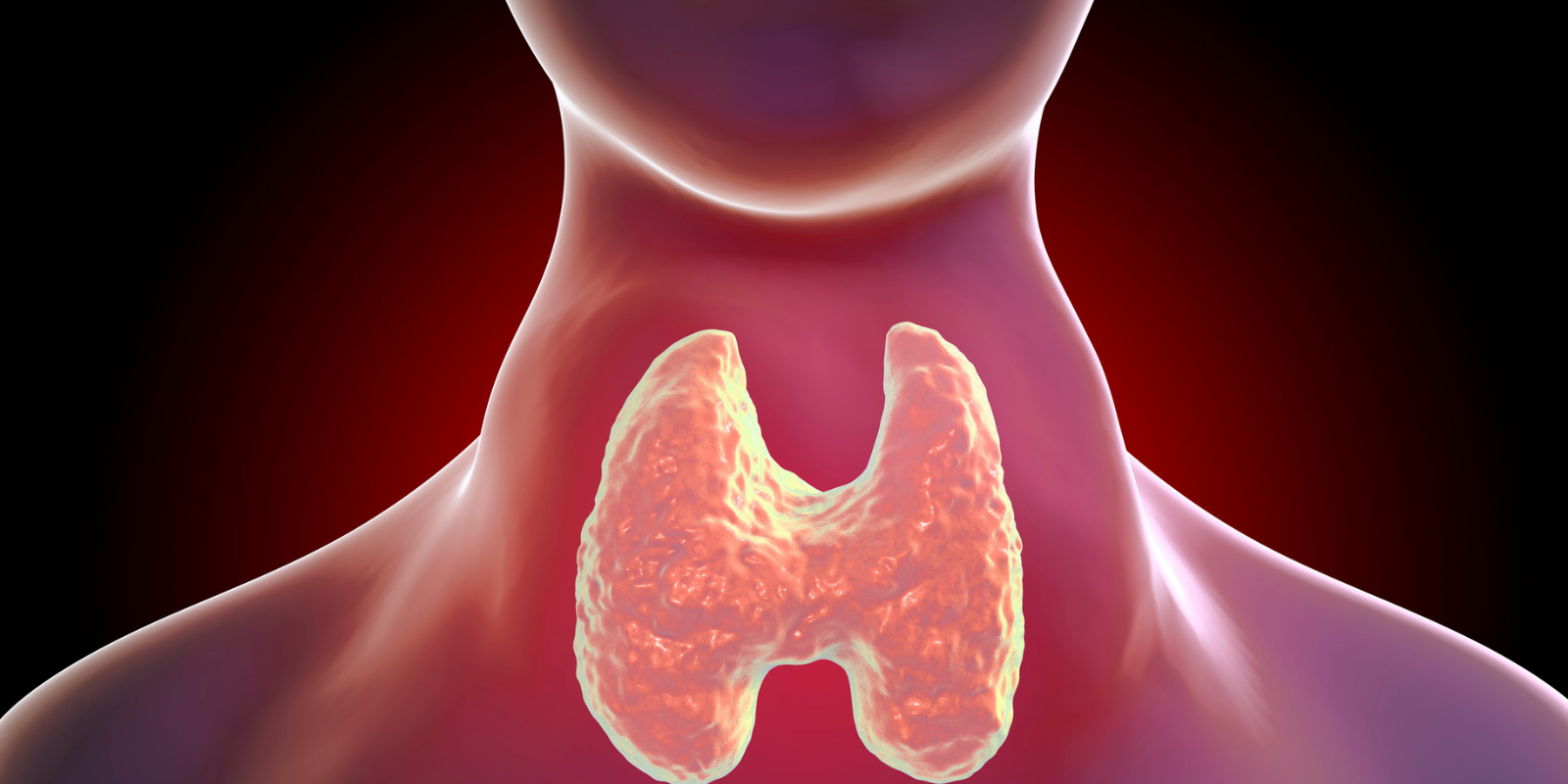
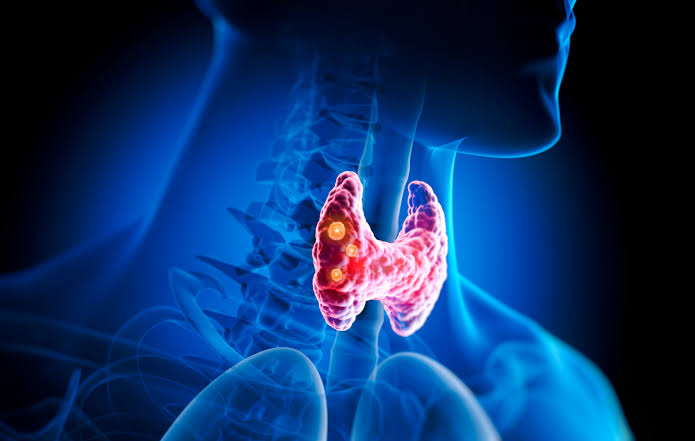
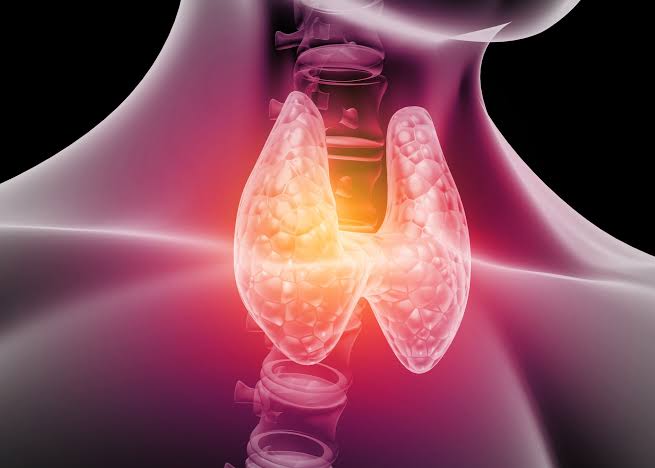
The thyroid is a small butterfly-shaped gland located at the base of your neck, but its impact on your body is enormous. It produces hormones that regulate metabolism, energy production, heart rate, body temperature, digestion, and many other essential functions.
If you have a thyroid condition such as hypothyroidism or hyperthyroidism, your diet alone won't cure the problem. However, certain foods and supplements may interfere with thyroid function or reduce the effectiveness of thyroid medication.
Here are six foods experts recommend paying closer attention to if you're managing a thyroid disorder.
1. Soy Products
Soy foods—including tofu, soy milk, edamame, tempeh, and soy protein products—contain compounds called isoflavones.
For most healthy people, moderate soy intake is not harmful. However, if you take thyroid hormone replacement medication, consuming large amounts of soy too close to your medication may reduce its absorption.
Experts generally recommend:
- Taking thyroid medication on an empty stomach.
- Waiting at least 3–4 hours before consuming soy-rich foods.
- Continuing to enjoy soy in moderation unless your healthcare provider advises otherwise.
2. Raw Cruciferous Vegetables
Cruciferous vegetables include:
- Broccoli
- Cabbage
- Cauliflower
- Kale
- Brussels sprouts
- Bok choy
These vegetables contain natural compounds known as goitrogens, which may interfere with iodine utilization when eaten in very large amounts—especially in raw form.
Fortunately, this doesn't mean you should eliminate them.
Cooking significantly reduces their goitrogen content, and these vegetables remain an excellent source of vitamins, minerals, antioxidants, and fiber.
3. Seaweed and Excess Iodine
Iodine is essential for thyroid hormone production, but more is not always better.
Seaweed such as kelp, kombu, and wakame can contain extremely high amounts of iodine.
For people with thyroid disease, especially autoimmune thyroid disorders, excessive iodine intake may worsen symptoms or interfere with treatment.
Rather than avoiding seafood entirely, experts recommend maintaining a balanced intake and avoiding unnecessary iodine supplements unless prescribed.
4. Highly Processed Foods
Ultra-processed foods often contain:
- Excess sodium
- Added sugars
- Unhealthy fats
- Artificial additives
Although these foods don't directly damage the thyroid, they may contribute to inflammation, weight gain, insulin resistance, and cardiovascular disease—all of which can make thyroid symptoms harder to manage.
Replacing processed foods with whole foods such as vegetables, fruits, whole grains, lean proteins, and healthy fats supports overall health.
5. Excessive Caffeine
Coffee, energy drinks, and other caffeinated beverages deserve special attention if you're taking thyroid medication.
Drinking coffee immediately after taking thyroid hormone can reduce medication absorption.
Most endocrinologists recommend waiting at least 30 to 60 minutes after taking your medication before drinking coffee or eating breakfast.
People with hyperthyroidism may also find that excessive caffeine worsens symptoms such as:
- Rapid heartbeat
- Anxiety
- Tremors
- Difficulty sleeping
6. Alcohol
Frequent or excessive alcohol consumption may affect thyroid hormone production and overall endocrine function.
Alcohol can also worsen fatigue, interfere with sleep quality, and negatively impact liver function, which plays an important role in hormone metabolism.
If you have a diagnosed thyroid disorder, limiting alcohol intake is generally a healthier choice.
Tips for Supporting Thyroid Health
Instead of focusing only on foods to avoid, experts recommend building an overall healthy eating pattern:
- Eat a balanced diet rich in vegetables, fruits, lean protein, and whole grains.
- Get enough selenium, zinc, iron, and vitamin D if recommended by your healthcare provider.
- Avoid taking supplements unless advised by a medical professional.
- Take thyroid medication exactly as prescribed.
- Maintain regular follow-up appointments to monitor thyroid hormone levels.
The Bottom Line
No single food causes or cures thyroid disease. For most people, the key is moderation rather than complete avoidance.
If you have hypothyroidism or hyperthyroidism, certain foods—such as soy, raw cruciferous vegetables, seaweed, processed foods, excessive caffeine, and alcohol—may deserve extra attention. In many cases, adjusting portion sizes or the timing of meals is more important than eliminating these foods altogether.
Always consult your healthcare provider or a registered dietitian before making major dietary changes, especially if you're taking thyroid medication or managing a chronic thyroid condition.