
Chicken Gizzards: A Nutrient-Rich Food Worth Adding to Your Diet
Did You Know Chicken Gizzards Are a Highly Nutritious Food?
Health 31/03/2026 17:36
Oysters are often considered a delicacy, valued for their rich flavor and impressive nutritional profile. They are high in protein, zinc, iron, and omega-3 fatty acids, making them a popular choice for those seeking nutrient-dense foods. However, despite their benefits, oysters are not suitable for everyone.
Because oysters are often consumed raw or lightly cooked, they may carry bacteria, viruses, or toxins that can pose health risks—especially for certain vulnerable groups. Understanding who should avoid oysters can help prevent serious health complications.

Oysters are filter feeders, meaning they absorb water and nutrients from their environment. While this process makes them rich in minerals, it also means they can accumulate harmful microorganisms such as:
Even fresh-looking oysters may contain these pathogens, which are not always destroyed unless the oysters are cooked thoroughly.
Individuals with compromised immune systems are at higher risk of severe infections from bacteria found in oysters.
For these individuals, even a small amount of contaminated seafood can lead to serious complications.
Those with liver conditions, such as cirrhosis or hepatitis, are particularly vulnerable to infections caused by Vibrio bacteria.
The liver plays a key role in filtering toxins and bacteria. When it is weakened, the body’s ability to fight infection is reduced, increasing the risk of life-threatening illness.
Pregnant women need to be especially cautious about food safety. Consuming raw or undercooked oysters can expose them to harmful bacteria and viruses.
For safety, fully cooked seafood is generally recommended instead.
Children have developing immune systems, making them more susceptible to infections.
Avoiding raw oysters can help protect their health.

As people age, their immune systems naturally weaken, making it harder to fight infections.
Older adults should avoid raw or undercooked oysters and opt for safer alternatives.
Oysters are shellfish, and individuals with shellfish allergies should strictly avoid them.
Even small amounts can trigger serious allergic reactions.
For those who are not in high-risk groups, oysters can still be enjoyed safely by following proper precautions:
Cooking oysters thoroughly can significantly reduce the risk of harmful bacteria.
Many people associate oysters with luxury and health benefits, but they may not be aware of the potential risks involved. Because foodborne illnesses can develop quickly and sometimes severely, especially in vulnerable individuals, awareness is essential.

Oysters are nutritious and delicious, but they are not suitable for everyone. People with weakened immune systems, liver disease, pregnant women, young children, older adults, and those with seafood allergies should avoid them due to potential health risks.
The key takeaway is simple: what is healthy for one person may not be safe for another. By understanding your individual health condition and making informed choices, you can enjoy food safely while protecting your well-being.
When it comes to oysters, caution and awareness can make all the difference.
Did You Know Chicken Gizzards Are a Highly Nutritious Food?

Before your next afternoon nap, make sure you know this!

Why Your Mouth Gets Dry at Night: 8 Common Reasons Explained

One glass of orange juice a day can bring these amazing health effects

If you notice these 5 uncommon breath smells, it might be a warning of an underlying illness

3 Warning Signs During Sleep That Could Be Linked to Can.cer

3 Common Beverages That May Contribute to Osteoporosis

What really happens to your body when you sleep with…

The Effects on Your Body When You Stop Being Se.xua.lly Active

Came across this on my son’s scalp and I’m not sure what it is. We can’t get medical help soon—has anyone seen this before?

Diabetes can develop quietly, often showing up in ways that are easy to overlook. In its early stages, the condition might not cause dramatic or obvious symptoms, which is why so many people live with undiagnosed diabetes for months or even years.

Hypothermia is an acute medical emergency in which the body’s core temperature drops below 35°C. In cold environments, time becomes the enemy; even a few hours—or sometimes just minutes—of carelessness can lead to multiple organ failure and death.

We often have the habit of storing leftover food in the fridge to eat the next day. Sometimes, due to work, it's also common to cook once for several days’ worth of meals.

Uterine fibroids are benign tumors commonly found in women of reproductive age. When these tumors grow large, they can cause pain, menstrual irregularities, anemia, and even infertility, making early detection and treatment essential.

During cold weather, lower temperatures can cause an increase in catecholamines in the bloodstream. This leads to blood vessel constriction and subsequently raises vascular pressure, resulting in increased heart rate and elevated blood pressure.

These 7 warning signs could appear before a heart attack—especially the 6th one

Doctors warn: 5 groups of people should STOP using ginger immediately

If you wake up with a morning erection, it’s not something to laugh off or feel embarrassed about. Believe it or not, this natural, nightly occurrence is one of the best indicators that your cardiovascular system is working like a well-oiled machine.
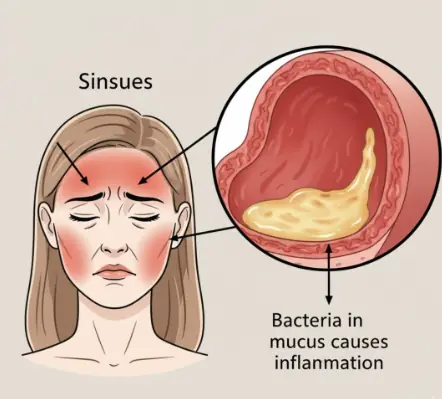
I was talking to my friend the other day, who complained of yet another sinus infection. Runny nose, facial pain, difficulties breathing, headaches and fatigue were marking her days as of late.
Did You Know Chicken Gizzards Are a Highly Nutritious Food?

8 wrong things woman do without knowing that they are pushing their man away to another woman
Before your next afternoon nap, make sure you know this!

What’s the correct order: phone first or charger first?

Keep Going: What the Most Courageous Animals of 2026 Can Teach Us

Still Moving Forward: Inspiring Lessons from the Bravest Animals of 2026
Why Your Mouth Gets Dry at Night: 8 Common Reasons Explained

How to Get Rid of Bathroom Odors Without Air Fresheners
One glass of orange juice a day can bring these amazing health effects

Couple Halts Vacation After Vet Reveals Shocking Truth About Stray Dog
If you notice these 5 uncommon breath smells, it might be a warning of an underlying illness
3 Warning Signs During Sleep That Could Be Linked to Can.cer
3 Common Beverages That May Contribute to Osteoporosis
What really happens to your body when you sleep with…

Putting eggs on the refrigerator door is a typical error that leads to faster spoilage and nutrient loss

Why Chicken Gizzards Are a Superfood: 7 Amazing Benefits
The Effects on Your Body When You Stop Being Se.xua.lly Active
Came across this on my son’s scalp and I’m not sure what it is. We can’t get medical help soon—has anyone seen this before?

Which Rose Do You Choose? Discover What It Says About You