
Food Safety Starts With Proper Storage: 5 Foods to Handle Carefully Overnight
Think Twice Before Eating These 5 Overnight Leftovers Without Proper Storage
Health 28/07/2026 11:19
Watermelon juice is one of the most refreshing beverages to enjoy during warm weather. Naturally sweet and hydrating, it contains a variety of vitamins, minerals, antioxidants, and plant compounds that can support overall health when consumed as part of a balanced diet.
Watermelon is made up of about 90% water, making it an excellent choice for hydration. It also provides nutrients such as vitamin C, vitamin A (as beta-carotene), potassium, and lycopene, a powerful antioxidant that gives the fruit its vibrant red color.
Despite its many benefits, watermelon juice is not the ideal choice for everyone. Certain individuals may need to limit their intake or enjoy it with extra caution due to its natural sugar content, potassium levels, or other health considerations.
It's important to remember that drinking watermelon juice does not automatically cause health problems. The following groups may simply benefit from discussing appropriate portions with a healthcare professional or registered dietitian.
Here are 6 groups of people who may need to be more mindful when drinking watermelon juice.
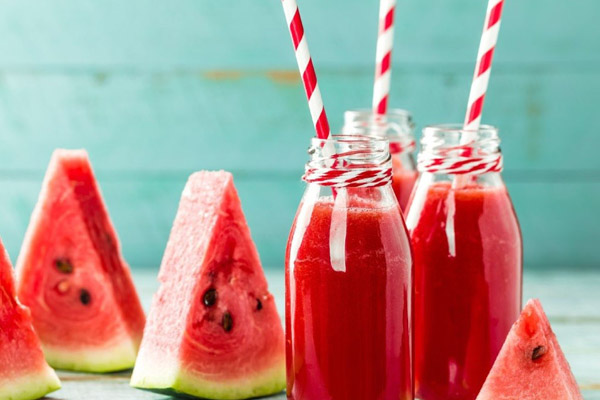
Watermelon contains naturally occurring sugars.
Although whole watermelon has a relatively high glycemic index (GI), it has a moderate glycemic load because much of the fruit is water. However, when watermelon is blended or juiced, it becomes easier to consume larger amounts in a short time.
A large glass of watermelon juice may provide considerably more natural sugar than a modest serving of fresh watermelon.
People living with:
Type 1 diabetes
Type 2 diabetes
Prediabetes
Insulin resistance
may need to monitor portion sizes carefully.
Instead of drinking a large glass of juice:
Choose a smaller serving.
Pair it with a source of protein or healthy fat.
Consider eating fresh watermelon instead of juice to retain more fiber.
Fiber slows digestion and may help reduce rapid rises in blood glucose.
Watermelon is a source of potassium, an important mineral involved in:
Muscle function
Nerve signaling
Heart rhythm
Fluid balance
Healthy kidneys regulate potassium levels effectively.
However, individuals with advanced chronic kidney disease (CKD) may have difficulty removing excess potassium from the bloodstream.
High potassium levels (hyperkalemia) can become dangerous if they are severe.
This does not mean everyone with kidney disease must avoid watermelon juice.
Dietary recommendations depend on:
Kidney function
Blood potassium levels
Medications
Individual treatment plans
People with CKD should follow personalized advice from their healthcare team.
Some people experience digestive discomfort after eating certain fermentable carbohydrates known as FODMAPs.
Watermelon contains excess fructose, which is considered a high-FODMAP food when consumed in larger portions.
Individuals with irritable bowel syndrome (IBS) or fructose malabsorption may notice symptoms such as:
Bloating
Gas
Abdominal discomfort
Diarrhea
Not everyone with IBS reacts to watermelon, but if you notice a consistent pattern, limiting portion sizes may help.
A registered dietitian can help determine whether watermelon is one of your personal trigger foods.

Even though the sugars in watermelon are naturally occurring, juice can still contribute a significant amount of sugar when consumed in large quantities.
Juicing removes much of the fruit's fiber, making it easier to drink the equivalent of several cups of watermelon in just a few minutes.
If you're working toward:
Weight management
Lower added sugar intake
Healthier eating habits
whole fruit is often more filling than juice because it contains intact fiber that promotes satiety.
Watermelon juice can still fit into a healthy diet, but moderation is key.
Watermelon does not have as many well-established medication interactions as grapefruit.
However, because it contains potassium, people taking medications that can increase potassium levels should consult their healthcare provider if they have concerns, especially if they also have kidney disease.
Examples include certain:
ACE inhibitors
ARBs (angiotensin receptor blockers)
Potassium-sparing diuretics
Most healthy individuals taking these medications can still enjoy watermelon in reasonable amounts, but individualized medical advice is important.
Never stop or change prescribed medications based solely on dietary information.
Although uncommon, watermelon allergies do occur.
Some individuals may also experience oral allergy syndrome (OAS), a condition in which certain raw fruits trigger itching or mild swelling in the mouth due to cross-reactivity with pollen allergies.
Possible symptoms include:
Itchy lips
Tingling mouth
Swollen tongue
Scratchy throat
In rare cases, more serious allergic reactions may occur.
Seek emergency medical care immediately if symptoms include:
Difficulty breathing
Wheezing
Facial swelling
Severe dizziness
Loss of consciousness
For most healthy people, watermelon juice can be part of a nutritious diet.
It naturally provides:
Vitamin C supports:
Immune function
Collagen production
Wound healing
Antioxidant protection
Lycopene is a carotenoid antioxidant associated with supporting:
Heart health
Skin health
Protection against oxidative stress
Research into lycopene is ongoing, and no single food can prevent disease on its own.
Watermelon contains beta-carotene, which the body converts into vitamin A.
Vitamin A contributes to:
Healthy vision
Immune function
Skin maintenance
Because watermelon contains a large amount of water, it contributes to daily fluid intake.
However, plain water remains the best choice for hydration throughout the day.
Both forms have benefits, but there are important differences.
Provides:
More fiber
Greater fullness
Slower digestion
Easier portion control
Provides:
Convenient hydration
Smooth texture
Quick energy from natural sugars
However, it generally contains less fiber than the whole fruit unless the pulp is retained.
You don't necessarily need to avoid watermelon juice.
Instead, consider these habits:
A small glass is often enough to enjoy the flavor without consuming excessive sugar.
Fresh watermelon is naturally sweet.
There's usually no need to add:
Sugar
Syrup
Sweetened condensed milk
Freshly prepared juice generally retains more nutrients than juice stored for long periods.
Consume it promptly and refrigerate leftovers safely.
Enjoy watermelon juice alongside meals that contain:
Lean protein
Healthy fats
Whole grains
This may help create a more balanced eating pattern.
Leaving some of the pulp in the juice increases its fiber content compared with heavily strained juice.
False.
Watermelon also contains water, vitamins, minerals, and antioxidants.
However, portion size still matters.
Not necessarily.
Even nutritious foods are best enjoyed as part of a varied diet.
Large amounts may contribute excess calories or natural sugars.
Watermelon juice contributes to hydration, but plain water should remain your primary beverage.
Individual nutritional needs vary depending on:
Age
Activity level
Medical conditions
Medications
Overall diet
There is no universal recommendation that everyone should drink watermelon juice every day.
Consider seeking medical advice if:
You have diabetes and are unsure how watermelon juice fits into your meal plan.
You have chronic kidney disease or have been advised to limit potassium.
You experience repeated digestive symptoms after drinking watermelon juice.
You suspect a food allergy.
You are following a medically prescribed diet and have questions about fruit intake.
A healthcare professional or registered dietitian can provide guidance based on your individual health needs.
Watermelon juice is a refreshing and nutritious beverage that can provide hydration along with beneficial nutrients such as vitamin C, potassium, beta-carotene, and lycopene. For most healthy adults, enjoying it in moderation can be part of a balanced diet, especially during warm weather.
However, certain individuals—including people with diabetes, chronic kidney disease, irritable bowel syndrome, those limiting sugar intake, individuals taking medications that affect potassium levels, and people with watermelon allergies—may need to be more mindful of how much they consume or whether it is appropriate for them.
Rather than viewing watermelon juice as either "good" or "bad," it's more helpful to consider your overall health, dietary needs, and portion sizes. Choosing fresh juice without added sugar, retaining some of the pulp for extra fiber, and enjoying it alongside a balanced eating pattern can help you make the most of this popular summer drink while supporting your long-term health.
Think Twice Before Eating These 5 Overnight Leftovers Without Proper Storage

7 Popular Beauty Uses for Coconut Oil and What You Should Know

Could These Tiny Red Dots Be Trying to Tell You Something? 👇

Morning Hydration Matters - Here's Why Drinking Water After Waking Up Can Help

Some Vegetables May Contain Higher Levels of Heavy Metals Depending on How They're Grown Vegetables are among the healthiest foods you can eat.

Late-night drink choices may affect sleep, blood pressure, and health.

Many people overlook these symptoms until it's too late.

Have you heard about this herb before?

The Surprising Safety Reason Cabin Crew Sit With Their Hands Under Their Legs

Many Women Ignore This Symptom Until It Gets Worse

Sleeping With Socks On Isn't Just About Warm Feet—Here's Why... 👀👇
Don't Ignore These 5 Head and Face Symptoms That May Signal Liver Fibrosis

The Powerful Effects of Bananas on the Aging Body 🍌

Don't ignore these early warning signs of facial paralysis.

Certain bathroom changes may signal health issues that need attention.

Those tiny fuzzy flies in your bathroom could be a sign of hidden drain buildup that needs attention.

Trying to Beat the Heat? Don't Make These 6 Mistakes When Drinking Ice Water

He Ate Raw Garlic Every Morning for 6 Years—Then Doctors Made a Shocking Discovery

If your veins are visible in your hand, it is a signal of ca…
Think Twice Before Eating These 5 Overnight Leftovers Without Proper Storage
7 Popular Beauty Uses for Coconut Oil and What You Should Know
Could These Tiny Red Dots Be Trying to Tell You Something? 👇
Morning Hydration Matters - Here's Why Drinking Water After Waking Up Can Help
Some Vegetables May Contain Higher Levels of Heavy Metals Depending on How They're Grown Vegetables are among the healthiest foods you can eat.

5 Early Signs of Thyroid Cancer That Are Easy to Recognize
Late-night drink choices may affect sleep, blood pressure, and health.
Many people overlook these symptoms until it's too late.
Have you heard about this herb before?
The Surprising Safety Reason Cabin Crew Sit With Their Hands Under Their Legs
Many Women Ignore This Symptom Until It Gets Worse
Sleeping With Socks On Isn't Just About Warm Feet—Here's Why... 👀👇
The Salt Water Test Everyone Is Talking About—What It Really Shows
Don't Ignore These 5 Head and Face Symptoms That May Signal Liver Fibrosis
The Powerful Effects of Bananas on the Aging Body 🍌
Don't ignore these early warning signs of facial paralysis.
Certain bathroom changes may signal health issues that need attention.

The real reason dogs sniff humans in awkward places may surprise you…

What Drinking Water on an Empty Stomach May Do for Your Body... 👇
Those tiny fuzzy flies in your bathroom could be a sign of hidden drain buildup that needs attention.