These 7 Vegetables Are Surprisingly Super “Oil Absorbers” — Be Careful, the More You Eat, the Fatter You Get
Vegetables are generally known as healthy, low-calorie foods that help with weight management and overall wellness. However, some vegetables have unique properties that make them highly absorbent of cooking oils, potentially increasing the calorie content of your meals without you realizing it. Eating these vegetables in large amounts, especially when fried or cooked with excessive oil, can contribute to weight gain. Here are seven vegetables that are super “oil absorbers” and tips to enjoy them healthily.
1. Eggplant (Aubergine)
Eggplants have a spongy texture that soaks up oil like a sponge during cooking. This means fried or sautéed eggplant dishes can be much higher in calories than expected. To keep it healthier, try grilling or baking eggplant with minimal oil.
2. Okra
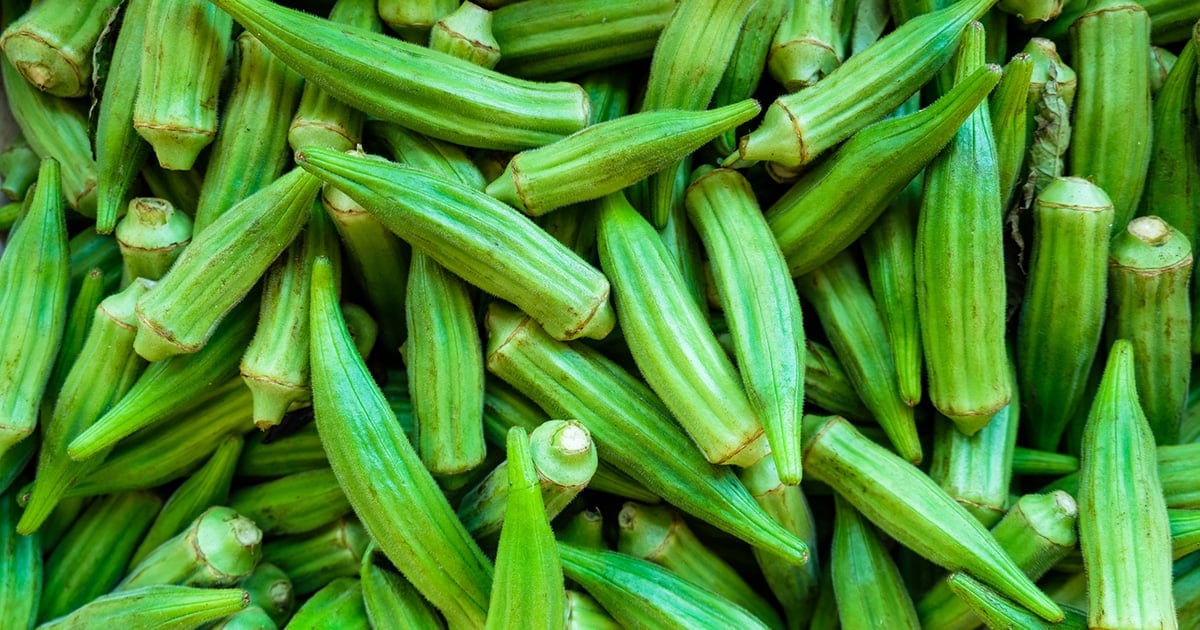
Okra’s mucilaginous (sticky) texture allows it to absorb a lot of oil during cooking. It’s delicious in fried dishes and stews, but be mindful of how much oil is used. Steaming or boiling okra can be a lower-fat alternative.
3. Mushrooms
Mushrooms tend to soak up oil quickly when sautéed due to their porous nature. Though nutritious, frying them in large quantities of oil can add unnecessary calories.
4. Zucchini
Like eggplant, zucchini is watery and absorbs oil readily. It’s often used in fried fritters or chips, which can turn a healthy vegetable into a calorie-dense snack.
5. Bitter Melon (Bitter Gourd)

Bitter melon is commonly stir-fried or deep-fried in some cuisines. Its porous surface absorbs oil easily, which can add up quickly in terms of calories.
6. Tofu (though not a vegetable, often cooked like one)
Tofu soaks up oil during frying and sautéing, making dishes heavier in calories. Baking or steaming tofu are healthier alternatives.
7. Lotus Root
Lotus root’s structure makes it absorbent to oil when fried. It’s a popular ingredient in many Asian fried dishes, but can be calorie-heavy if not prepared carefully.
Tips to Enjoy These Vegetables Without Overloading on Oil
-
Use cooking methods like steaming, boiling, grilling, or baking instead of deep-frying or pan-frying with excessive oil.
-
Use non-stick pans and spray oils lightly to reduce the amount of oil absorbed.
-
Drain fried vegetables on paper towels to remove excess oil.
-
Pair these vegetables with plenty of fresh greens and lean proteins for balanced meals.
Conclusion
While vegetables are essential to a healthy diet, some have the natural ability to absorb more oil during cooking, which can lead to increased calorie intake and potential weight gain if not prepared carefully. Being aware of how these vegetables interact with cooking oils can help you make better dietary choices and maintain your health goals.
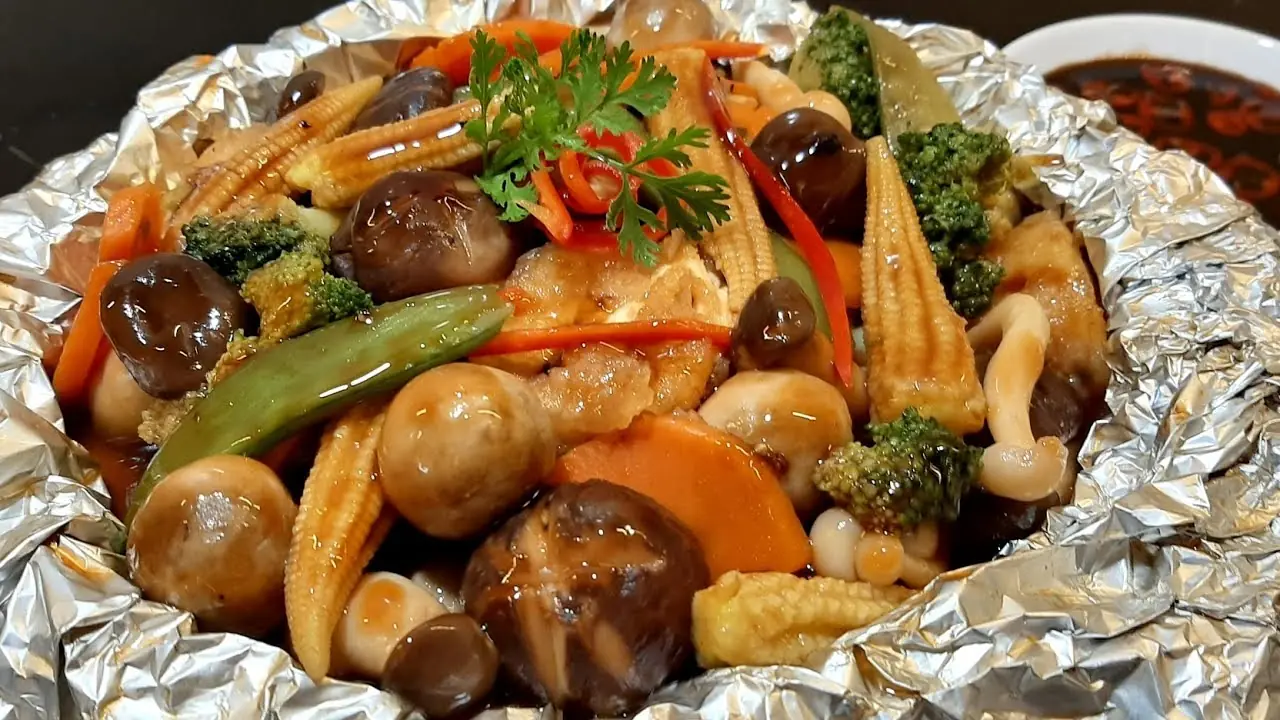
Why Some Vegetables Become Calorie-Dense When Cooked With Oil
Vegetables are an essential part of a balanced diet. They provide vitamins, minerals, fiber, water, and a wide variety of plant compounds that support normal body functions. Yet the way vegetables are prepared can significantly change the nutritional profile of a meal.
A plate of steamed eggplant, for example, is very different from a plate of battered, deep-fried eggplant. The vegetable itself has not suddenly become unhealthy. Instead, the cooking method introduces additional fat and energy.
Cooking oil is particularly calorie-dense. One gram of fat provides approximately nine calories, compared with four calories per gram of protein or carbohydrate. As a result, even a modest amount of oil can increase the calorie content of a dish.
The challenge is that the added oil is not always obvious. Vegetables may appear light and colorful while carrying considerably more fat than expected.
Understanding how different vegetables interact with cooking oil can help you prepare flavorful meals without unnecessarily increasing their energy content.
8. Bell Peppers: Healthy Vegetables That Can Become Oil-Rich
Bell peppers are popular in stir-fries, roasted vegetable dishes, stuffed pepper recipes, and grilled meals. They provide vitamin C, carotenoids, and water while contributing relatively few calories when prepared without much added fat.
However, bell peppers are often cooked in oil alongside onions, garlic, meat, or sauces. Although their structure does not necessarily make them exceptional oil absorbers, oil can cling to their surfaces and collect in the spaces between chopped pieces.
The final calorie content depends on the quantity of oil used, the cooking method, the size of the pieces, and whether the dish contains other calorie-dense ingredients.
How to cook bell peppers more lightly
Try roasting sliced bell peppers on a baking tray with a small measured amount of oil. Their natural sweetness develops as they soften and brown, reducing the need for heavy sauces.