Food cannot magically eliminate cancer cells, and no single ingredient can guarantee protection against cancer. However, what you eat regularly can influence several biological processes involved in long-term health, including inflammation, oxidative stress, metabolism, and the maintenance of healthy cells.
Many plant foods contain fiber, vitamins, minerals, carotenoids, polyphenols, and other bioactive compounds that support normal cellular function. A diet rich in vegetables, fruits, whole grains, legumes, and other minimally processed foods is consistently associated with better overall health.
That is why researchers continue to study how certain foods may contribute to a healthier internal environment.
Here are eight nutritious foods worth including in a balanced diet.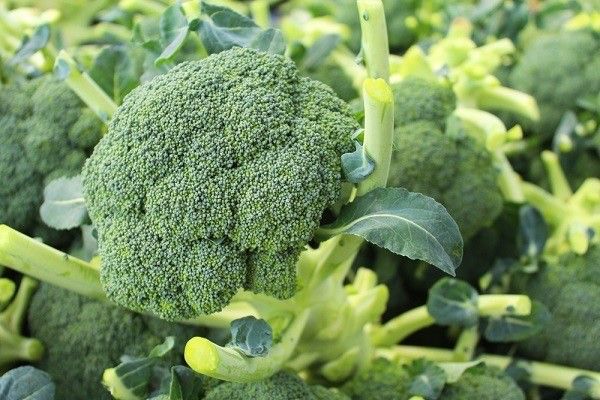
1. Broccoli
Broccoli belongs to the cruciferous vegetable family, along with cabbage, cauliflower, Brussels sprouts, and kale.
These vegetables contain compounds called glucosinolates, which can be converted into biologically active substances such as sulforaphane and indole compounds when the vegetables are chopped, chewed, or digested.
Sulforaphane has attracted considerable scientific interest because laboratory and animal studies suggest that it can influence pathways involved in cellular defense, inflammation, and the processing of potentially harmful compounds.
Human research is still developing, so broccoli should not be viewed as a treatment for cancer.
Its value comes from the bigger picture: broccoli provides fiber, vitamin C, vitamin K, folate, and other nutrients while being relatively low in calories.
Adding steamed, roasted, or lightly cooked broccoli to meals is a simple way to increase vegetable intake.
2. Berries
Strawberries, blueberries, raspberries, and blackberries are rich in colorful plant compounds known as polyphenols.
Many berries contain anthocyanins, which contribute to their red, purple, and blue colors.
These compounds have antioxidant and anti-inflammatory properties that researchers are studying for their potential effects on cellular health.
Berries also provide vitamin C and dietary fiber.
One advantage of berries is that they can be incorporated into everyday meals without much effort. You can add them to oatmeal, plain yogurt, smoothies, or salads—or simply eat them as a snack.
Fresh or frozen berries can both be nutritious options.
The key is not to rely on one "superfood," but to consume a variety of fruits and vegetables throughout the week.
3. Tomatoes
Tomatoes contain an antioxidant carotenoid called lycopene, which gives many varieties their red color.
Lycopene has been extensively studied because of its potential relationship with oxidative stress and cellular health.
Interestingly, cooking tomatoes can increase the amount of lycopene that the body can absorb. Pairing cooked tomatoes with a small amount of healthy fat, such as olive oil, may also improve absorption because lycopene is fat-soluble.
Tomatoes are incredibly versatile.
You can use them in soups, sauces, salads, roasted vegetable dishes, or sandwiches.
Tomato products such as tomato paste and cooked tomato sauces can also be significant sources of lycopene.
However, processed tomato products vary considerably in their nutritional quality. Some sauces contain large amounts of added sugar or sodium, so checking the nutrition label is worthwhile.
4. Garlic
Garlic has been used as both food and traditional medicine for centuries.
When garlic is chopped or crushed, it produces sulfur-containing compounds, including allicin.
Researchers have investigated garlic and its compounds for their potential antioxidant, antimicrobial, anti-inflammatory, and cardiovascular effects.
Some observational research has also examined associations between higher consumption of allium vegetables—including garlic and onions—and certain cancer risks.
However, the evidence is not strong enough to say that garlic prevents or treats cancer.
Still, garlic is a useful addition to a healthy diet.
Instead of relying on heavily processed sauces or excessive salt for flavor, adding fresh garlic to vegetables, beans, soups, fish, or whole-grain dishes can make nutritious foods more appealing.
5. Leafy Green Vegetables
Spinach, kale, Swiss chard, collard greens, and other leafy greens are packed with nutrients.
They provide folate, vitamin K, carotenoids, vitamin C, minerals, and dietary fiber, depending on the variety.
Dark green vegetables also contain numerous plant compounds that contribute to their nutritional value.
A diet containing plenty of vegetables is associated with numerous health benefits, including better cardiovascular health and healthier body weight.
Leafy greens can also help increase dietary variety.
Try adding spinach to eggs, kale to soups, leafy greens to sandwiches, or mixed greens to salads.
The goal is not to consume enormous quantities of one vegetable. Instead, regularly rotating different vegetables can help provide a broader range of nutrients and plant compounds.
6. Beans and Lentils
Beans, lentils, chickpeas, and other legumes are sometimes overlooked when people talk about foods that support long-term health.
They should not be.
Legumes are excellent sources of dietary fiber, plant protein, folate, potassium, magnesium, and other nutrients.
Fiber is especially important.
Unlike many other carbohydrates, dietary fiber is not completely broken down in the small intestine. Some types reach the colon, where gut microorganisms can ferment them and produce compounds such as short-chain fatty acids.
A healthy gut environment is increasingly recognized as an important component of overall health.
Legumes can also help with blood sugar control and satiety, making them useful replacements for some highly processed foods.
Try adding lentils to soups, chickpeas to salads, or black beans to grain bowls and vegetable dishes.
7. Nuts and Seeds
Almonds, walnuts, chia seeds, flaxseeds, pumpkin seeds, and other nuts and seeds provide a combination of healthy fats, fiber, protein, vitamins, minerals, and plant compounds.
Walnuts, for example, contain polyunsaturated fats and various phytochemicals.
Flaxseeds are particularly rich in alpha-linolenic acid (ALA) and lignans, a type of plant compound that has been investigated for potential health effects.
Nuts and seeds are energy-dense, so portion size matters.
A small handful can be enough to add nutritional value to a meal.
Choose unsalted or lightly salted varieties when possible, and avoid products with large amounts of added sugar.
They can be sprinkled over oatmeal, yogurt, salads, or roasted vegetables.
8. Green Tea
Green tea is different from most foods on this list because it is a beverage, but it contains several compounds that have attracted significant scientific interest.
One of the best-known is epigallocatechin gallate (EGCG), a catechin belonging to the polyphenol family.
Laboratory studies have shown that green tea compounds can influence several cellular pathways. Researchers have investigated their potential effects on oxidative stress, inflammation, cell signaling, and other biological processes.
However, laboratory findings do not automatically translate into cancer prevention in humans.
Clinical evidence regarding green tea and cancer risk has been mixed.
For most adults, drinking unsweetened green tea can be a reasonable way to increase fluid intake while consuming relatively few calories.
Why Variety Matters More Than a Single Food
It can be tempting to search for one food that "fights cancer."
Unfortunately, human biology does not work that simply.
Cancer is a complex group of diseases involving genetic changes, environmental exposures, immune responses, metabolism, hormones, and many other factors.
A single food cannot control all of these processes.
Instead, researchers generally focus on overall dietary patterns.
A diet built around vegetables, fruits, whole grains, legumes, nuts, seeds, and other minimally processed foods provides a wide range of nutrients and bioactive compounds.
Different foods contain different substances, and their effects may interact in ways that are difficult to reproduce with a single supplement.
Fiber May Be One of the Most Important Pieces
Among the many components of plant-based foods, dietary fiber deserves special attention.
Fiber supports digestive health and can contribute to healthy bowel function. Some types of fiber are fermented by gut bacteria, producing short-chain fatty acids that have important biological functions.
Higher dietary fiber intake is associated with a lower risk of colorectal cancer, although diet is only one factor influencing cancer risk.
Increasing fiber gradually is generally more comfortable for the digestive system than suddenly consuming very large amounts.
Good sources include beans, lentils, vegetables, fruits, whole grains, nuts, and seeds.
And when increasing fiber, adequate fluid intake is also important.
What About Supplements?
This is where caution is important.
Seeing that a nutrient or plant compound has potential benefits does not mean taking a concentrated supplement will provide the same effect as eating the whole food.
In some cases, high-dose supplements can cause harm or interact with medications.
For example, concentrated antioxidant supplements do not necessarily reproduce the benefits associated with diets rich in fruits and vegetables.
A balanced diet should generally be the first approach to obtaining nutrients unless a healthcare professional recommends supplementation for a specific reason.
Foods Are Not Cancer Treatments
It is important to draw a clear line between supporting overall health and treating cancer.
If someone has been diagnosed with cancer, changing their diet should not replace surgery, chemotherapy, radiation therapy, immunotherapy, targeted therapy, or other evidence-based treatments recommended by their medical team.
Certain foods may help a person maintain adequate nutrition during treatment, but nutritional needs can vary considerably depending on the cancer and treatment.
Anyone undergoing cancer treatment should discuss major dietary changes or supplements with their healthcare team.
A Healthier Plate May Be More Powerful Than a "Superfood"
Rather than asking which individual food is most powerful, consider what your typical plate looks like.
A simple approach is to make vegetables and other plant foods a substantial part of meals.
For example, a balanced meal might include:
Half the plate: vegetables and/or fruit
One-quarter: beans, fish, poultry, eggs, tofu, or another protein source
One-quarter: whole grains or another minimally processed carbohydrate
A small amount of healthy fat, such as olive oil, nuts, or seeds, can complement the meal.
This approach provides a broader nutritional foundation than relying on a single ingredient.
Other Habits Matter Too
Diet is only one component of cancer prevention.
Not smoking or quitting smoking remains one of the most important steps a person can take to reduce cancer risk.
Limiting alcohol, maintaining a healthy body weight, exercising regularly, protecting skin from excessive ultraviolet exposure, staying up to date with recommended vaccinations, and participating in appropriate cancer screening can also play important roles.
Family history and certain inherited genetic conditions may require additional medical guidance.
In other words, no food can cancel out a major risk factor such as smoking, just as eating vegetables cannot guarantee that a person will never develop cancer.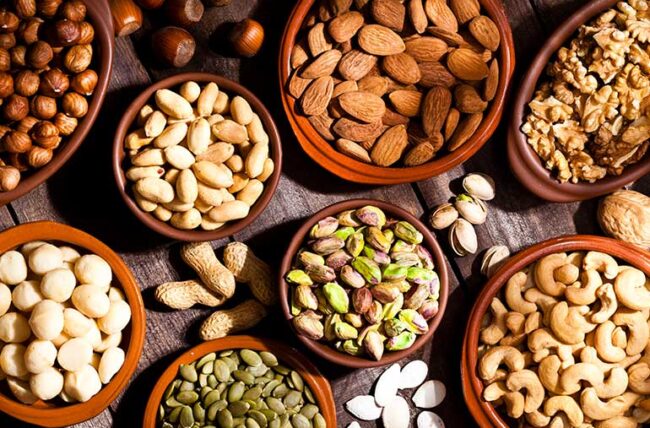
Final Thoughts
The idea that certain foods can "fight abnormal cells" can sound dramatic, but there is a more accurate way to understand it.
Foods such as broccoli, berries, tomatoes, garlic, leafy greens, beans, nuts and seeds, and green tea contain nutrients and plant compounds that support normal biological functions and are being studied for their potential role in long-term disease prevention.
The strongest takeaway is not that one of these foods is a miracle cure.
It is that a diverse, plant-rich, minimally processed diet can be an important part of a healthy lifestyle.
So instead of searching for one magical food, build meals around variety. Add more colorful vegetables, choose fruit instead of highly processed snacks, include beans and whole grains, use nuts and seeds in sensible portions, and enjoy foods such as tomatoes, garlic, and green tea regularly.
Your body is constantly repairing, replacing, and regulating cells. Giving it a wide range of essential nutrients is one practical way to support those normal processes—while remembering that food is part of prevention and overall health, not a substitute for medical diagnosis or cancer treatment.