9 Nutrients That May Support Nerve Health and Recovery
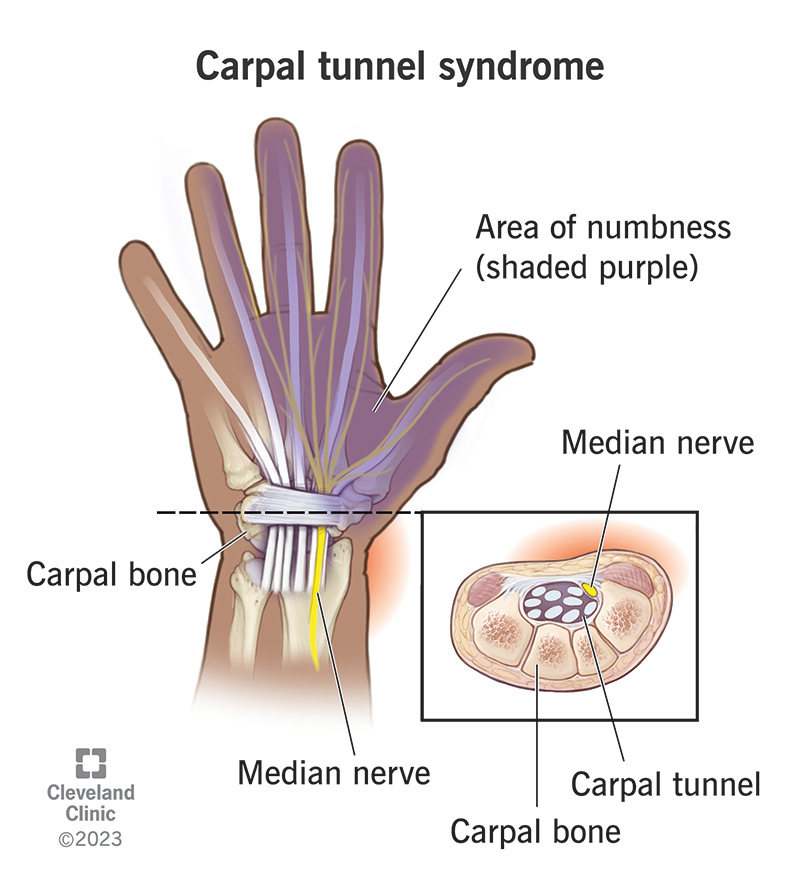
The nervous system is one of the most complex and essential systems in the human body. It controls movement, sensation, reflexes, and communication between the brain and every part of the body. When nerves become damaged or irritated, people may experience symptoms such as tingling, numbness, burning sensations, weakness, or pain in the hands, feet, or other areas.
Nerve damage can occur for many reasons, including injury, diabetes, nutritional deficiencies, infections, or certain medical conditions. While medical treatment is often necessary for significant nerve damage, nutrition also plays an important role in maintaining healthy nerve function.
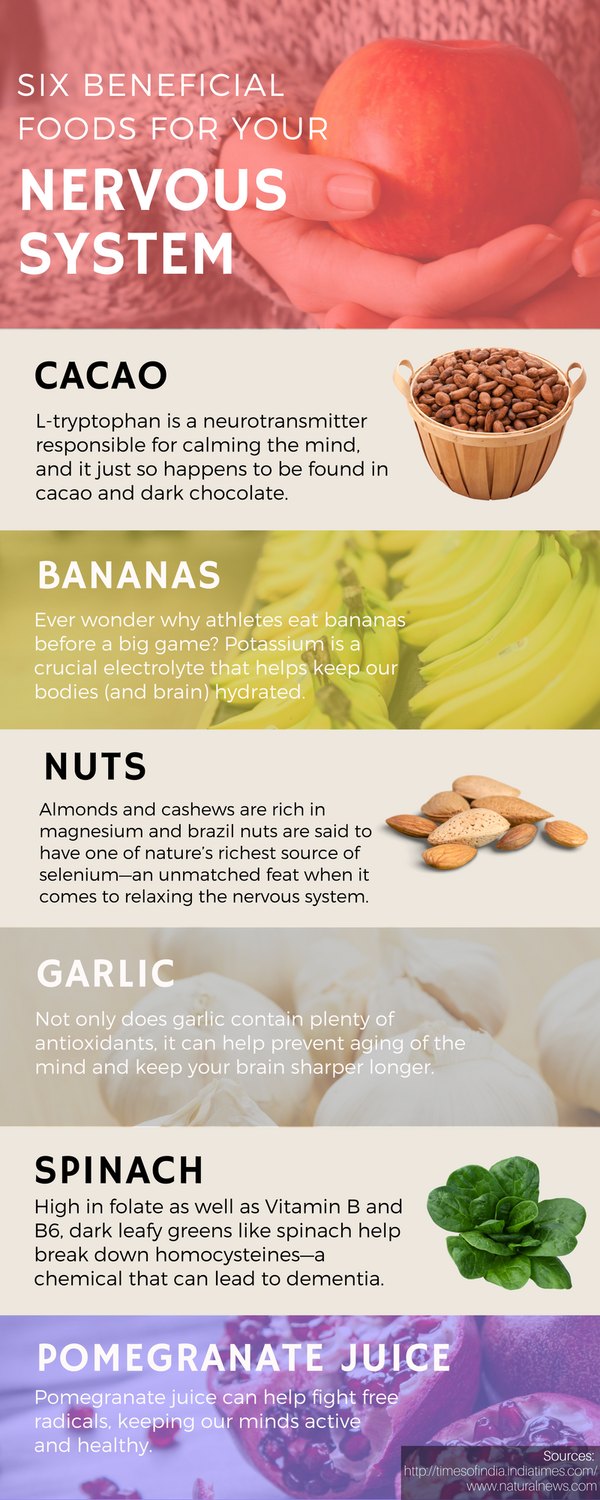
Certain vitamins and minerals are known to support the nervous system by helping repair nerve cells, protecting them from damage, and improving communication between nerves and muscles. Below are nine nutrients that are often associated with supporting nerve health.


1. Vitamin B1 (Thiamine)
Vitamin B1 plays an essential role in nerve signal transmission and energy production in nerve cells. A deficiency in thiamine can affect nerve function and may lead to neurological symptoms.
Foods rich in vitamin B1 include:
-
Whole grains
-
Legumes
-
Nuts and seeds
-
Lean pork
2. Vitamin B6 (Pyridoxine)
Vitamin B6 helps produce neurotransmitters, the chemicals that allow nerve cells to communicate with each other.
Adequate levels of vitamin B6 support normal brain function and nerve health. However, extremely high doses of this vitamin from supplements should be avoided unless recommended by a healthcare professional.
Good dietary sources include:
-
Bananas
-
Chickpeas
-
Potatoes
-
Fish
3. Vitamin B12
Vitamin B12 is one of the most important nutrients for maintaining the protective covering around nerves, known as the myelin sheath.
Low levels of vitamin B12 may lead to nerve-related symptoms such as numbness or tingling.
Sources of vitamin B12 include:
-
Fish
-
Eggs
-
Dairy products
-
Fortified foods


4. Vitamin D
Vitamin D is well known for supporting bone health, but it also plays a role in nerve function and immune regulation.
Research suggests that adequate vitamin D levels may support nerve repair processes and reduce inflammation.
Sources include:
-
Sunlight exposure
-
Fatty fish
-
Fortified milk or plant-based milk
5. Vitamin E
Vitamin E acts as a powerful antioxidant that protects nerve cells from oxidative damage. Antioxidants help neutralize harmful molecules that can damage cells.
Foods high in vitamin E include:
-
Almonds
-
Sunflower seeds
-
Avocados
-
Spinach
6. Magnesium
Magnesium plays a crucial role in nerve signaling and muscle relaxation. Low magnesium levels may contribute to muscle cramps, nerve sensitivity, and fatigue.
Magnesium-rich foods include:
-
Dark leafy greens
-
Nuts
-
Whole grains
-
Beans


7. Omega-3 Fatty Acids
Omega-3 fatty acids support nerve cell membranes and may help reduce inflammation throughout the nervous system.
Common omega-3 sources include:
-
Salmon
-
Sardines
-
Flaxseeds
-
Chia seeds
-
Walnuts
8. Alpha-Lipoic Acid
Alpha-lipoic acid is an antioxidant that may help support nerve health and protect cells from oxidative stress. It has been studied in relation to nerve-related conditions.
Natural sources include:
-
Spinach
-
Broccoli
-
Tomatoes
-
Potatoes
9. Zinc
Zinc plays an important role in immune function and cellular repair processes, including those affecting nerve tissue.
Good dietary sources include:
-
Meat and poultry
-
Pumpkin seeds
-
Lentils
-
Whole grains


Other Ways to Support Nerve Health
In addition to proper nutrition, several lifestyle habits may help maintain a healthy nervous system:
-
Maintaining stable blood sugar levels
-
Exercising regularly
-
Avoiding excessive alcohol consumption
-
Getting sufficient sleep
-
Managing stress levels
Regular medical checkups are also important, especially for individuals experiencing persistent numbness, tingling, or nerve pain.
Final Thoughts
Nerve health depends on a combination of medical care, proper nutrition, and healthy lifestyle habits. While no single nutrient can instantly repair nerve damage, maintaining a diet rich in essential vitamins and minerals may support the body’s natural repair processes and help protect nerve cells over time.
If symptoms such as numbness, tingling, or persistent nerve pain occur, consulting a healthcare professional is the best way to determine the underlying cause and receive appropriate treatment.