
12 Incredible Things You Didn’t Know About Coconut Water
12 Little-Known Secrets Behind the Power of Coconut Water
Health 04/08/2026 09:05
Appendicitis is one of the most common medical emergencies involving the abdomen. It occurs when the appendix — a small tube-shaped organ attached to the large intestine — becomes inflamed or infected. Without treatment, the appendix can rupture, potentially leading to serious complications inside the abdomen.
One of the biggest dangers of appendicitis is that many early symptoms can initially seem similar to ordinary stomach problems such as indigestion, gas, or food poisoning. Because of this, some people delay seeking medical care until the condition becomes much more severe.
Recognizing the warning signs early may help prevent complications and allow faster treatment.
Here are nine symptoms that could be signs of appendicitis and why they should never be ignored.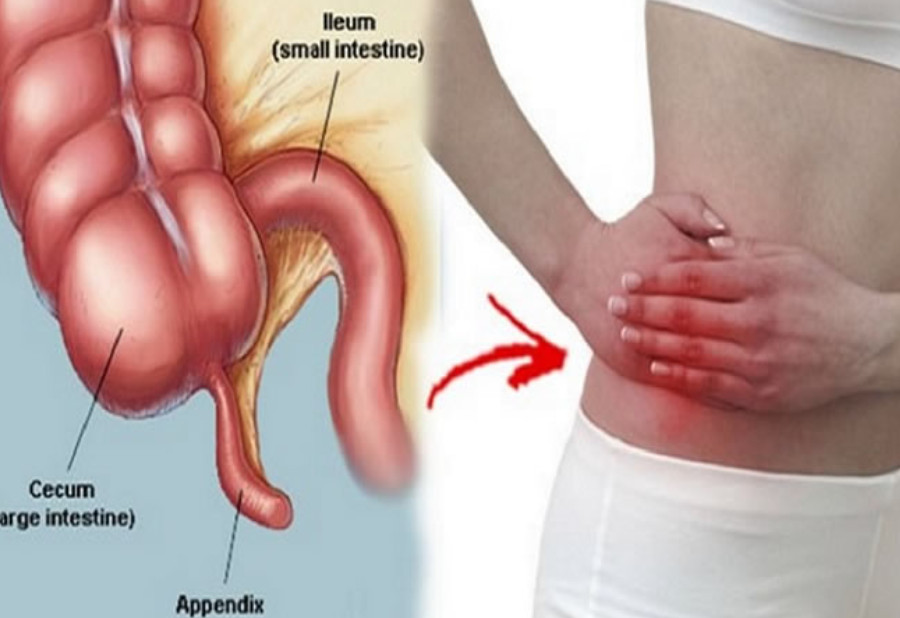
One of the classic early signs of appendicitis is abdominal pain that begins near the belly button and gradually moves toward the lower right side of the abdomen.
At first, the pain may feel:
As inflammation worsens, the pain often:
This shifting pain pattern is considered one of the hallmark signs of appendicitis.
As appendicitis progresses, pain usually becomes concentrated in the lower right side of the abdomen.
People may notice:
The pain often becomes difficult to ignore and may steadily worsen.
However, not everyone experiences pain in exactly the same location. Pregnancy, age, and body anatomy can affect where symptoms appear.
Many people with appendicitis suddenly lose interest in food.
This symptom may seem minor at first but often appears alongside:
A sudden lack of appetite combined with worsening stomach pain may deserve medical attention.
Nausea is extremely common with appendicitis.
Some people experience:
When nausea occurs together with abdominal pain — especially pain moving toward the lower right abdomen — appendicitis becomes more concerning.
As the body responds to inflammation or infection, fever may develop.
Symptoms may include:
If the appendix ruptures, fever may become much higher and more serious.
Fever combined with abdominal pain should never be ignored.
Some people with appendicitis experience:
The abdomen may feel tender or tight.
In severe cases, swelling may increase as inflammation progresses.
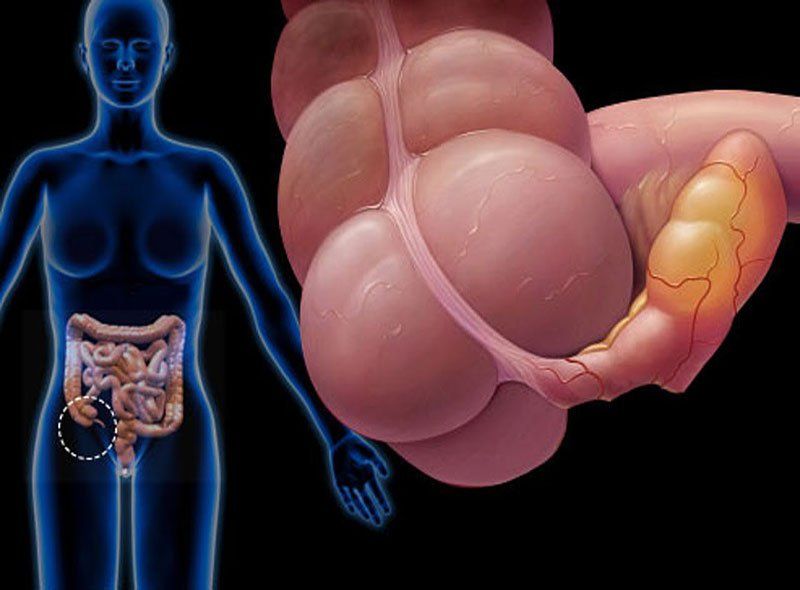
Many individuals with appendicitis notice digestive changes.
Symptoms may include:
This can happen because inflammation inside the abdomen may affect intestinal movement.
Some people mistakenly assume they only have gas or constipation when appendicitis is actually developing.
Appendicitis pain often becomes more noticeable during movement.
People may experience worsening pain when:
Some individuals instinctively bend forward or avoid movement to reduce discomfort.
This worsening sensitivity often occurs because the inflamed appendix irritates surrounding abdominal tissues.
The lower right abdomen may become highly sensitive to pressure.
In some cases:
This may indicate significant inflammation inside the abdominal cavity.
Severe tenderness should always be evaluated quickly by a medical professional.
If appendicitis is not treated promptly, the appendix may rupture.
A ruptured appendix can release bacteria into the abdomen, potentially causing:
This is why appendicitis is considered a medical emergency.
One important challenge is that appendicitis symptoms can vary greatly.
Some people may have:
Children, older adults, and pregnant women may present differently, making diagnosis more difficult.
Several other conditions can resemble appendicitis, including:
Because symptoms overlap, professional medical evaluation is important.
Diagnosis may involve:
Doctors often evaluate:
Early diagnosis greatly improves treatment outcomes.
Treatment usually involves surgical removal of the appendix, known as an appendectomy.
Modern surgery is often minimally invasive and recovery is usually successful when treatment occurs early.
Antibiotics may also be used, especially if infection is present.
Immediate medical attention is important if someone experiences:
Waiting too long may increase the risk of rupture.
Many individuals ignore symptoms because they assume:
Unfortunately, appendicitis can worsen very quickly.
Recognizing symptoms early may help prevent serious complications.
Appendicitis often begins with symptoms that seem mild or confusing at first. Pain near the belly button, nausea, loss of appetite, fever, and worsening lower right abdominal pain are all warning signs that should never be ignored.
The most important message is awareness. Early recognition and prompt medical evaluation can make a major difference in preventing complications and ensuring safer recovery.
Sometimes the body sends urgent warning signs quietly at first — and paying attention early can save lives.
12 Little-Known Secrets Behind the Power of Coconut Water

A 50-Year-Old Man’s Daily Coffee Routine May Have Contributed to Severe Kidney Failure

Certain Physical Changes Could Mean Your Heart Needs Medical Attention

nakes Around Your Property? Here Are 3 Practical Ways to Help Reduce the Chances of Encounters Seeing a snake near your home can be frightening, especially if it happens repeatedly.

32 Warning Signs That May Indicate Magnesium Deficiency

Doctors reveal that eating eggs in the morning causes ... See more

The body often whispers before it starts to scream. Here are the signs

Doctors and Hygiene Experts Explain What Happens When You Pee in the Shower

Is Coconut Water Good for Your Kidneys? Here's What Current Evidence Suggests

The Breakfast Swap That Changed Everything for This 64-Year-Old Woman

Can traditional animal fat be part of a healthy diet?

Nighttime leg cramps can strike suddenly—but simple habits may help reduce them.

Could your daily fruit habit be doing more than you think?

Bad breath that wouldn't go away? The answer may surprise you.

These Natural Remedies May Help Protect Your Heart
Ear Hair May Reveal More Than You Think

😮 The Surprising Ways Guava May Affect Your Body—Doctors Explain… See More 👇

😮 What Really Happens to Your Body When You Eat Bananas Every Day After 60?

She Never Thought Breakfast Was the Problem... Until It Was Too Late.
12 Little-Known Secrets Behind the Power of Coconut Water
A 50-Year-Old Man’s Daily Coffee Routine May Have Contributed to Severe Kidney Failure

The Wedding That Stopped at the 59th Minute
Certain Physical Changes Could Mean Your Heart Needs Medical Attention
nakes Around Your Property? Here Are 3 Practical Ways to Help Reduce the Chances of Encounters Seeing a snake near your home can be frightening, especially if it happens repeatedly.
32 Warning Signs That May Indicate Magnesium Deficiency
Doctors reveal that eating eggs in the morning causes ... See more
The body often whispers before it starts to scream. Here are the signs
Doctors and Hygiene Experts Explain What Happens When You Pee in the Shower
Is Coconut Water Good for Your Kidneys? Here's What Current Evidence Suggests
The Breakfast Swap That Changed Everything for This 64-Year-Old Woman
Can traditional animal fat be part of a healthy diet?
Nighttime leg cramps can strike suddenly—but simple habits may help reduce them.
Could your daily fruit habit be doing more than you think?
Bad breath that wouldn't go away? The answer may surprise you.
These Natural Remedies May Help Protect Your Heart
Ear Hair May Reveal More Than You Think
😮 The Surprising Ways Guava May Affect Your Body—Doctors Explain… See More 👇
😮 What Really Happens to Your Body When You Eat Bananas Every Day After 60?