
7 Effective Exercises That Help Reduce and Manage Plantar Fasciitis Naturally
Heel Pain Keeping You Active? Try These Proven Techniques
Health 18/06/2026 11:38
Appendicitis is one of the most common medical emergencies worldwide. It occurs when the appendix, a small pouch attached to the large intestine, becomes inflamed. Without prompt treatment, the appendix can rupture, potentially leading to serious complications.
The challenge is that appendicitis doesn't always begin with severe pain. In many cases, the early symptoms can be mistaken for indigestion, food poisoning, or a simple stomach bug.
Recognizing the warning signs early can make a significant difference. Here are nine symptoms that may indicate appendicitis and should never be ignored.
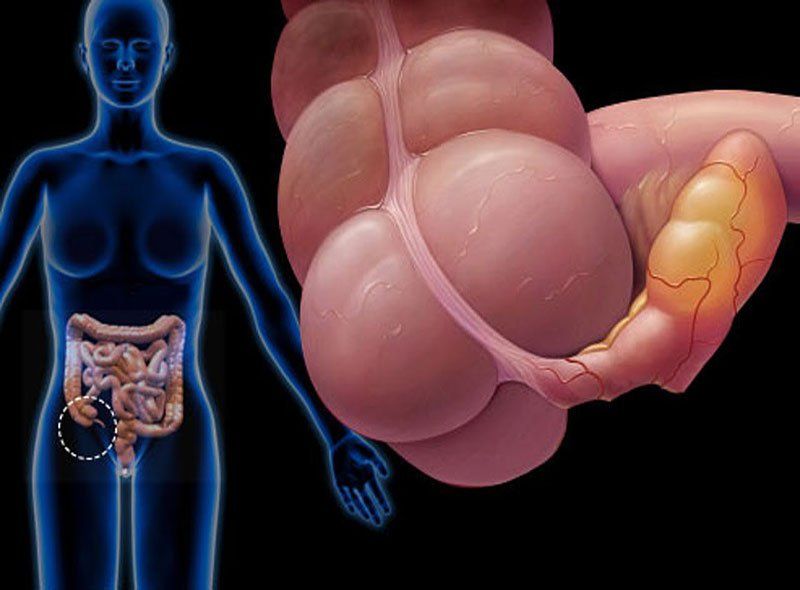
One of the earliest signs of appendicitis is a dull ache around the belly button. Many people initially dismiss this discomfort because it may seem mild or vague.
However, as the inflammation progresses, the pain often becomes more noticeable and begins to move.
As appendicitis develops, the pain commonly migrates from the area around the navel to the lower right side of the abdomen.
This pain often becomes sharper and more intense over time. Walking, coughing, sneezing, or making sudden movements may worsen the discomfort.
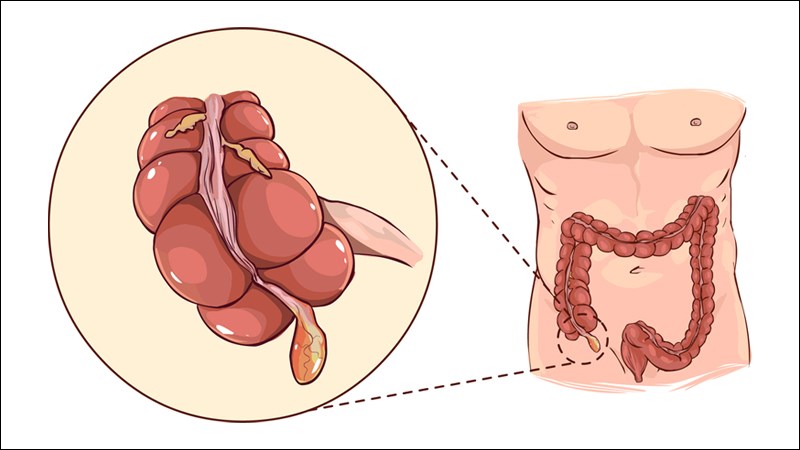
A sudden lack of interest in food is another common symptom.
People with appendicitis often report feeling full quickly or having no desire to eat at all. While many conditions can affect appetite, this symptom becomes more concerning when combined with abdominal pain.
Feeling nauseous or vomiting after abdominal pain begins can be a warning sign.
These symptoms occur because inflammation in the appendix can affect the digestive system and trigger gastrointestinal distress.
A mild fever frequently accompanies appendicitis.
As the body's immune system responds to inflammation, body temperature may rise slightly. If the appendix ruptures, the fever can become significantly higher.
Some individuals experience bloating or a sensation of fullness in the abdomen.
The stomach may feel tight, swollen, or unusually uncomfortable, particularly as the inflammation worsens.
An inability to pass gas can sometimes indicate that the digestive system is not functioning normally.
While this symptom alone does not confirm appendicitis, it may occur alongside other warning signs.
Appendicitis can affect bowel movements in different ways.
Some people develop constipation, while others experience diarrhea. Any sudden digestive changes that occur together with abdominal pain should be evaluated carefully.
Unlike ordinary stomach discomfort that may improve after rest, appendicitis pain typically intensifies.
If abdominal pain becomes progressively worse over several hours, especially when combined with other symptoms on this list, medical attention should be sought immediately.

Appendicitis is not something that should be managed at home. If you experience persistent abdominal pain, especially in the lower right side of the abdomen, along with nausea, fever, or vomiting, contact a healthcare professional as soon as possible.
Prompt diagnosis and treatment can help prevent complications and improve outcomes.
Many people assume appendicitis always causes sudden, unbearable pain, but the condition often begins with subtle symptoms that are easy to overlook.
Knowing these nine early warning signs may help you recognize when something is not right and seek medical care before the condition becomes more serious.
Your body often sends signals when it needs attention. Listening to those signals could make all the difference.
Disclaimer: This article is for informational purposes only and should not be used as a substitute for professional medical advice, diagnosis, or treatment. Always consult a qualified healthcare provider regarding any health concerns.
Heel Pain Keeping You Active? Try These Proven Techniques
😨 Many People Miss These 20 Early Cancer Clues Until a Diagnosis Arrives 👇

✨ Start Your Day with Boiled Eggs and You Might Notice These Amazing Changes 👇
🥑 The Daily Avocado Habit: What Doctors Say Could Happen to Your Body 👇

The Truth About Eating Eggs for Breakfast: What Doctors Want You to Know

This Simple Finger Test Takes Seconds—But the Result May Surprise You

Why Dogs Always Seem Drawn to Certain Areas of the Human Body 🐕

Recognizing Dementia Early: 10 Symptoms You Should Know About

Drooling Every Night? Check Whether One of These 6 Health Issues Could Be Behind It

When It Comes to Cervi.cal Health, Experts Say These 3 Habits Deserve More Attention 👀

Many People Eat Cucumbers Daily Without Knowing These Amazing Benefits 👇

Cucumbers Can Be Refreshing, But They May Cause Problems for Certain People ⚠️

Many People Skip This Simple Morning Habit—And Don't Realize What They're Missing

A Green Ring Around Your Egg Yolk May Be a Sign That You Cooked It This Way 🍳

Before eating another serving of okra, read this.

What happened 70 seconds after this man collapsed shocked everyone.

Egg yolk color reveals diet, but not always a chicken’s health.

A daily coffee routine may affect kidney health more than you think.
Heel Pain Keeping You Active? Try These Proven Techniques
😨 Many People Miss These 20 Early Cancer Clues Until a Diagnosis Arrives 👇
✨ Start Your Day with Boiled Eggs and You Might Notice These Amazing Changes 👇
🥑 The Daily Avocado Habit: What Doctors Say Could Happen to Your Body 👇
The Truth About Eating Eggs for Breakfast: What Doctors Want You to Know
This Simple Finger Test Takes Seconds—But the Result May Surprise You
Why Dogs Always Seem Drawn to Certain Areas of the Human Body 🐕
Recognizing Dementia Early: 10 Symptoms You Should Know About

Coconut Water Is More Powerful Than You Think—Here Are 12 Reasons Why
Drooling Every Night? Check Whether One of These 6 Health Issues Could Be Behind It
When It Comes to Cervi.cal Health, Experts Say These 3 Habits Deserve More Attention 👀
Many People Eat Cucumbers Daily Without Knowing These Amazing Benefits 👇
Cucumbers Can Be Refreshing, But They May Cause Problems for Certain People ⚠️
Many People Skip This Simple Morning Habit—And Don't Realize What They're Missing
A Green Ring Around Your Egg Yolk May Be a Sign That You Cooked It This Way 🍳
Before eating another serving of okra, read this.
What happened 70 seconds after this man collapsed shocked everyone.
Egg yolk color reveals diet, but not always a chicken’s health.