Chapter 1: The Unwelcome Guests Hiding in Your Bed
Imagine going to sleep after a long and exhausting day, expecting to wake up refreshed. Everything seems normal. The sheets are clean, the room looks comfortable, and there is no obvious sign that anything is wrong. Yet, somewhere inside the mattress seam, beneath the bed frame, or behind the headboard, tiny insects may be hiding.
These unwanted visitors are known as bed bugs. Although they are small enough to escape notice, they can cause considerable discomfort when they enter a sleeping environment. The image circulating online shows a dramatic skin reaction alongside a close-up photograph of a bed bug. Its message is intended to warn people about what may happen after sleeping in an infested environment.
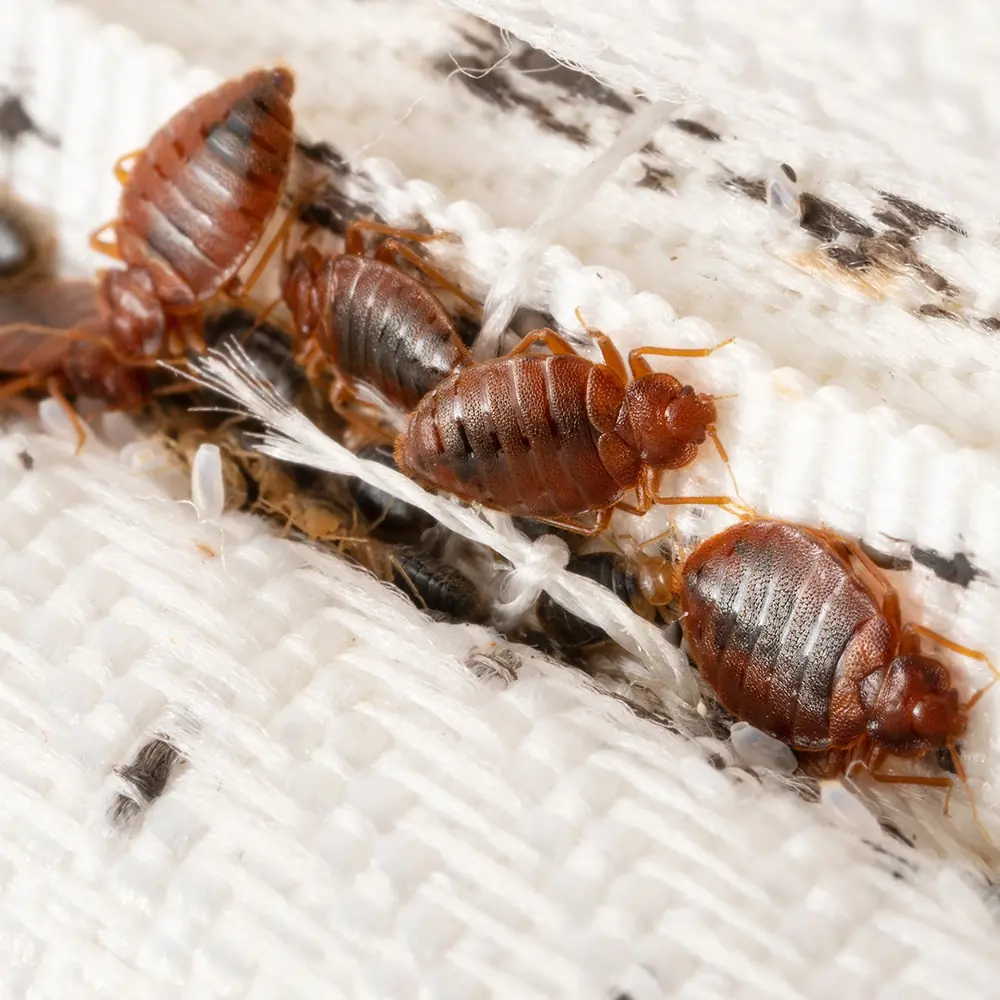
Bed bugs are small, flat, reddish-brown insects that feed on the blood of humans and animals. They are most active at night, when people are resting. Their flattened bodies allow them to squeeze into narrow spaces, including mattress seams, furniture joints, cracks in wooden bed frames, and gaps behind wallpaper.
According to the Centers for Disease Control and Prevention (CDC), adult bed bugs are generally about 1–7 millimeters long. They have no wings and can survive for several months without feeding under suitable conditions. Their ability to hide and remain unnoticed makes them particularly difficult to detect during the early stages of an infestation.
One reason bed bugs are so unsettling is that people often do not feel them biting. When these insects feed, they introduce substances through their saliva that help them obtain blood. A person may therefore remain unaware of the bite until an itchy mark appears later.
The skin reaction varies considerably from one individual to another. Some people develop small red spots, while others experience raised welts, swelling, or intense itching. There are also people who show little or no visible reaction at all.
The marks may appear in clusters or in a line, sometimes on areas of the body that remain uncovered during sleep. Common locations include the arms, shoulders, neck, face, and legs. However, the pattern is not consistent enough to identify bed bugs with certainty.
The photograph in the supplied image shows numerous raised red bumps and what appear to be two insects on the skin. It is important not to assume that every mark shown is definitely caused by bed bugs. Similar skin reactions can occur after mosquito or flea bites, allergic reactions, hives, and certain skin conditions.
The American Academy of Dermatology notes that bed bug bites often produce itchy welts, sometimes arranged in clusters or zigzag patterns. However, a visual examination of the skin alone cannot reliably confirm an infestation.
Bed bugs are also frequently misunderstood. Their presence does not necessarily mean that a home is dirty. They can enter almost any type of accommodation, including clean homes, hotels, apartments, dormitories, and other shared sleeping spaces.
They are often transported from one location to another through luggage, clothing, used furniture, bedding, and personal belongings. Someone may unknowingly bring a few insects home after staying in an infested hotel room or purchasing secondhand furniture.
Once inside a home, bed bugs can establish hiding places close to where people sleep. A small problem can gradually become more difficult to control if the insects reproduce and spread into additional rooms.
That is why recognizing the possibility of bed bugs matters. A few unexplained itchy marks may not be enough to establish the cause, but repeated symptoms combined with physical evidence around the bed should encourage a closer inspection.
Close-up of bed bugs hiding between the fibers of bedding, where they can remain difficult to notice.
Chapter 2: Why Bed Bug Bites Can Cause Red, Itchy Skin
For many people, the first indication of a possible bed bug problem is not seeing an insect. It is waking up with unexplained itching or noticing several red marks on the skin.
The reaction occurs because the human immune system responds to substances introduced during the insect's feeding process. Bed bugs use specialized mouthparts to pierce the skin and obtain blood. Their saliva contains compounds that help them feed, and these substances can trigger an inflammatory response.
The appearance of the reaction depends on the individual's sensitivity. Two people sleeping in the same room may experience very different symptoms. One may develop several noticeable welts, while another may show no visible marks despite being exposed to the same insects.
This difference can make an infestation confusing. A person may suspect mosquitoes or another insect, while someone sharing the same bed may not experience any symptoms.