When people think about liver health, they often pay attention to symptoms such as fatigue, abdominal discomfort, changes in appetite, or yellowing of the skin and eyes. The feet, however, are rarely the first place that comes to mind.
Yet some changes affecting the feet and lower legs can occur alongside conditions that affect the liver. These signs are not specific to liver disease, and in many cases they have much more common explanations. Still, when certain changes appear together with other symptoms—or persist without an obvious cause—they may be worth mentioning to a healthcare professional.
Understanding these possible connections can help you pay attention to your overall health without jumping to conclusions.
Why Can Liver Problems Affect Other Parts of the Body?
The liver performs hundreds of important functions.
It helps process nutrients, metabolize medications and other substances, produce proteins, regulate cholesterol and blood components, and process substances that the body needs to remove.
When the liver becomes significantly impaired, these functions can be disrupted. Changes in fluid balance, blood proteins, circulation, and the processing of certain substances may affect tissues throughout the body.
Because of this, liver-related problems don't always produce symptoms directly over the liver.
Sometimes, changes may become noticeable in the skin, legs, feet, hands, or other areas.
However, it's important to remember that a foot symptom alone cannot diagnose liver disease.
1. Swelling in the Feet and Ankles
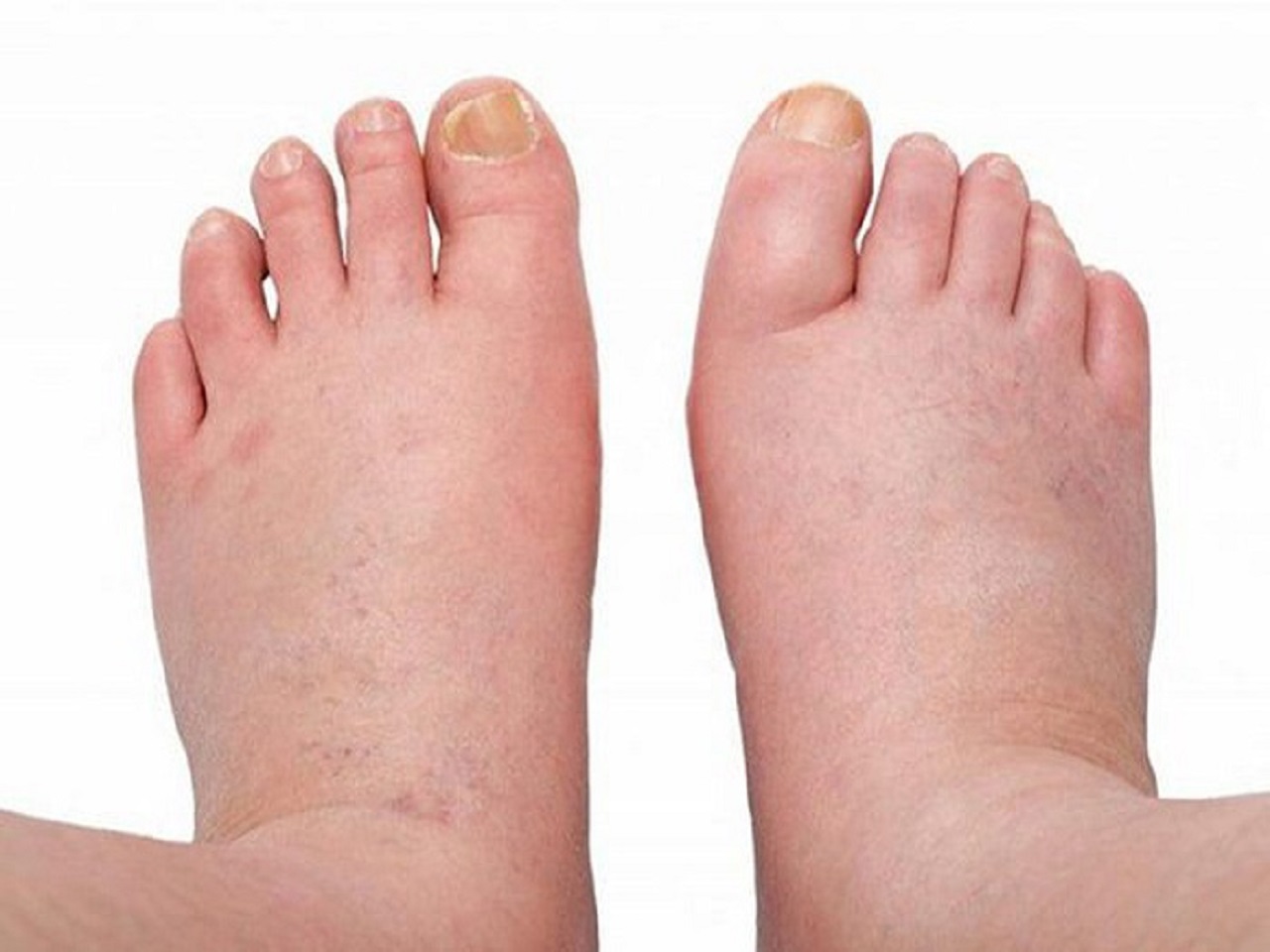
One of the changes that can sometimes occur with advanced liver disease is swelling, or edema, particularly around the ankles and lower legs.
You may notice that your shoes feel tighter than usual or that your socks leave deeper indentations around your ankles.
In some cases, pressing gently on the swollen area may temporarily leave a small indentation in the skin. This is commonly referred to as pitting edema.
Why can this happen?
Advanced liver disease can contribute to changes in fluid regulation and reduced levels of proteins such as albumin. These changes can make it easier for fluid to move out of blood vessels and accumulate in surrounding tissues.
But liver disease is far from the only possible explanation.
Swollen feet can also result from:
-
Standing or sitting for long periods
-
Certain medications
-
Heart problems
-
Kidney disease
-
Venous insufficiency
-
Pregnancy
-
Injury
-
High salt intake
-
Blood clots in some circumstances
That's why persistent or unexplained swelling deserves proper evaluation rather than an assumption that the liver is responsible.
2. Itchy Skin That Seems Difficult to Explain
Persistent itching, medically known as pruritus, can occur with certain liver and bile-flow disorders.
Some people describe it as a widespread itch without an obvious rash.
The sensation can sometimes be particularly noticeable on the arms, legs, hands, or feet.
Certain liver conditions involving impaired bile flow can cause substances associated with bile metabolism to accumulate in the bloodstream and tissues, contributing to itching.
However, itchy feet are extremely common and usually have other explanations.
Dry skin, eczema, allergies, fungal infections, insect bites, medications, and environmental factors can all cause itching.
If itching is persistent, widespread, severe, or accompanied by other unexplained symptoms, it's reasonable to discuss it with a healthcare professional.
3. Changes in Skin Color
Liver problems can sometimes produce changes in skin coloration.
The most well-known example is jaundice, which can cause the skin and the whites of the eyes to appear yellow.
This happens when bilirubin, a substance produced during the normal breakdown of red blood cells, accumulates in the body.
Although jaundice isn't specifically a foot symptom, you may notice color changes on the feet or legs because they're part of the body's skin surface.
Yellowing of the skin or eyes should not automatically be attributed to liver disease, but it deserves medical attention because several conditions can cause it.
If the whites of your eyes suddenly appear yellow, especially alongside dark urine, pale stools, abdominal pain, vomiting, or significant weakness, seek medical advice promptly.
4. Unusual Bruising or Small Red Spots
People with advanced liver disease may develop an increased tendency to bruise or bleed.
The liver produces many proteins involved in blood clotting. When liver function becomes significantly impaired, production of some of these proteins can decrease.
Certain blood-count abnormalities associated with advanced liver disease can also contribute to easy bruising.
As a result, you might notice bruises appearing with little apparent injury.
Small reddish or purple spots on the skin can have many causes as well. Some are related to broken small blood vessels, medications, infections, platelet abnormalities, or other medical conditions.
So don't assume that a bruise on your foot means your liver is unhealthy.
But unexplained or unusually frequent bruising, especially when accompanied by other symptoms, is something worth discussing with a doctor.
5. Changes in the Nails and Toenails
The nails can sometimes provide clues about general health.
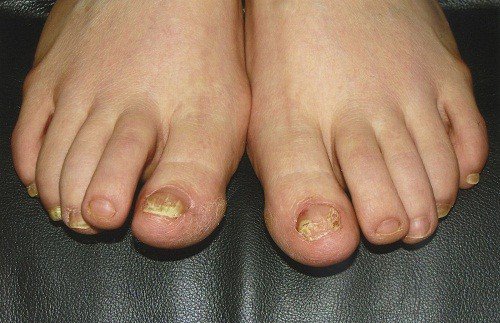
Certain chronic illnesses, nutritional problems, infections, and systemic conditions can produce changes in nail color, shape, or texture.
Some people with chronic liver disease may develop characteristic nail changes, although these findings are not specific enough to diagnose liver disease.
For example, changes in the appearance of the nail bed may occur in association with chronic liver conditions, but similar findings can appear for other reasons.
Toenail discoloration or thickening is much more commonly caused by fungal infections, trauma, or poorly fitting footwear.
Therefore, nail changes should be considered in the context of your overall health rather than treated as a stand-alone warning sign.
6. Redness of the Feet Doesn't Automatically Mean a Liver Problem
Another symptom sometimes discussed in relation to liver disease is unusual redness of the palms, known as palmar erythema.
Although this primarily affects the hands rather than the feet, similar-looking redness elsewhere on the body can understandably cause concern.
Red or warm feet, however, are much more commonly associated with other causes, including heat, prolonged standing, skin irritation, nerve problems, inflammation, infection, or circulation issues.
If one foot suddenly becomes red, hot, swollen, and painful, that's particularly important to have assessed because infections and blood clots can require prompt treatment.
7. Cold Feet and Circulation Changes
Cold feet are common and don't necessarily have anything to do with the liver.
Temperature, footwear, anxiety, reduced circulation, smoking, certain medications, and vascular conditions can all affect how warm your feet feel.
Some people also experience coldness or unusual sensations because of nerve-related conditions.
Although circulation problems aren't generally considered a direct hallmark of liver disease, people with multiple health conditions can experience overlapping symptoms.
If your feet are persistently cold, numb, painful, unusually pale, or change color when you walk or rest, it is worth discussing with a healthcare professional.
8. Muscle Loss or Weakness in the Legs
Advanced chronic liver disease can be associated with muscle wasting and weakness, a condition sometimes referred to as sarcopenia.
The legs may gradually appear thinner, and everyday activities such as climbing stairs, standing from a chair, or walking longer distances can become more difficult.
This isn't necessarily something that starts in the feet.
Instead, it can affect the overall muscles of the body and may become noticeable in the legs.
Muscle loss can have many causes, including inadequate nutrition, aging, inactivity, hormonal conditions, chronic illnesses, and certain medications.
Unexpected or progressive muscle loss should therefore be evaluated rather than automatically attributed to the liver.
9. Numbness, Tingling, or Burning Feet
Tingling, burning, or numbness in the feet is another symptom that has a very long list of possible causes.
One of the most common is peripheral neuropathy, which can occur with diabetes and several other conditions.
Vitamin deficiencies, alcohol-related nerve damage, certain medications, nerve compression, and other neurological disorders can also cause these sensations.
Chronic liver disease may coexist with some of these conditions, but tingling feet alone are not a reliable indicator of liver problems.
If numbness is persistent or progressively worsening, particularly if it affects balance or walking, medical evaluation can help determine the cause.
The Combination of Symptoms Matters
Perhaps the most important point is that individual symptoms are often nonspecific.
Swollen ankles could be caused by sitting at a desk all day.
Itchy skin could simply be dry.
A bruised toe could have been bumped without you noticing.
A thickened toenail could be a fungal infection.
None of these automatically means something is wrong with your liver.
The situation becomes more important when multiple unexplained changes occur together.
For example, someone experiencing persistent swelling alongside unusual fatigue, jaundice, dark urine, abdominal swelling, easy bruising, or unexplained weight changes should speak with a healthcare professional.
The pattern and progression of symptoms provide much more useful information than any single sign.
Other Symptoms of Liver Problems to Know
Liver disease can sometimes progress with few noticeable symptoms, particularly during its earlier stages.
When symptoms do occur, they may include:
-
Persistent fatigue
-
Loss of appetite
-
Nausea
-
Abdominal discomfort
-
Yellowing of the skin or eyes
-
Dark urine
-
Pale-colored stools
-
Generalized itching
-
Easy bruising
-
Abdominal swelling
-
Swelling of the legs or ankles
-
Unintentional weight changes
-
Confusion or difficulty concentrating in advanced cases
These symptoms have many possible causes, so they should not be used for self-diagnosis.
Why Early Medical Evaluation Matters
Some liver conditions can remain relatively quiet for a long time.
People may not realize there is a problem until routine blood tests or imaging reveal an abnormality.
This is one reason regular healthcare visits can be valuable, particularly for people who have risk factors for liver disease.
A healthcare professional may consider blood tests that evaluate liver enzymes and other aspects of liver function, along with additional tests depending on the person's history and symptoms.
The exact evaluation depends on the individual.
Lifestyle Habits Can Support Liver Health
Taking care of your liver isn't about following a single "detox" routine.
The liver already has sophisticated systems for processing and eliminating substances from the body.
Instead, long-term habits are generally more meaningful.
A balanced diet can provide the nutrients needed for normal body function. Regular physical activity can help maintain a healthy weight and metabolic health. Limiting alcohol can reduce one important source of liver injury.
It's also important to use medications responsibly and avoid taking supplements or herbal products simply because they're marketed as "liver cleanses." Some supplements can interact with medications or, in certain circumstances, cause liver injury themselves.
Pay Attention to Persistent Changes
Your feet can change for countless harmless reasons.
Maybe your shoes are too tight.
Maybe you've spent the entire day standing.
Maybe the weather is unusually hot.
Maybe your skin is simply dry.
But if a change is new, persistent, unexplained, worsening, or accompanied by other symptoms, it deserves attention.
You don't need to panic.
You simply need to investigate.
That might mean making an appointment with your doctor, especially if the symptom doesn't improve or keeps returning.
When Should You Seek Prompt Medical Attention?
Some symptoms should not be ignored.
Seek prompt medical care if you develop sudden swelling or pain in one leg, particularly if the leg is red or warm, because these symptoms can sometimes indicate a blood clot or infection.
Similarly, seek urgent medical attention for severe abdominal pain, vomiting blood, black or tarry stools, significant confusion, severe weakness, or sudden yellowing of the skin or eyes.
These symptoms can have several causes, some of which require immediate treatment.
Your Feet Can Offer Clues But They Can't Tell the Whole Story
The body doesn't operate as a collection of isolated parts.
Changes involving fluid balance, circulation, metabolism, skin, and blood can sometimes appear in areas far from the organ where the underlying problem originates.
That's why paying attention to unusual changes can be useful.
At the same time, it's important not to turn every unusual foot symptom into a diagnosis.
Swollen feet don't automatically mean liver disease. Itchy skin doesn't automatically mean a bile-flow problem. And changes in toenails don't automatically indicate a serious illness.
The most useful approach is to consider the complete picture.
If a foot or ankle change is persistent, unexplained, or accompanied by other concerning symptoms, discussing it with a healthcare professional can help determine whether further evaluation is appropriate.
Your feet may not tell you exactly what's happening inside your body—but sometimes, they can provide one small clue that encourages you to take a closer look at your overall health.