What Makes Your Heart Age Faster?
Daily Habits That Quietly Speed Up Heart Aging
Your heart does not age at the same rate as the rest of your body. In fact, researchers now use the term “cardiovascular aging” to describe how lifestyle and environmental factors can cause the heart and blood vessels to deteriorate faster than expected. When this happens, the arteries become stiffer, blood pressure rises, and the risk of heart disease increases.
Many people assume heart aging is inevitable. However, scientists say that daily habits play a major role in determining how quickly your heart ages. Certain behaviors—often repeated every day—can silently damage the cardiovascular system over time.
Below are some of the most common habits that may accelerate heart aging.
1. Sitting Too Much and Moving Too Little
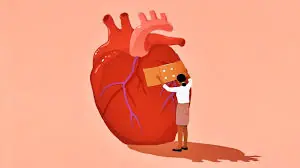
A sedentary lifestyle is one of the strongest lifestyle factors linked to premature cardiovascular aging. Long periods of sitting slow circulation and weaken the heart muscle.
According to research on lifestyle habits and cardiovascular risk, prolonged sedentary behavior is associated with increased arterial stiffness and inflammation, both of which raise the risk of heart disease.
Experts warn that even people who exercise regularly may still face risks if they spend most of the day sitting. Sitting for extended periods can impair blood vessel function and promote metabolic problems such as insulin resistance and high blood pressure.
What helps:
-
Take short walking breaks every hour
-
Use standing desks when possible
-
Aim for at least 150 minutes of moderate exercise per week
2. Poor or Irregular Sleep

Sleep is essential for cardiovascular repair and regulation. When sleep is too short, inconsistent, or poor in quality, it can increase stress hormones, inflammation, and blood pressure.
Studies show that irregular sleep patterns and inconsistent sleep duration are linked to atherosclerosis, a condition where plaque builds up in the arteries.
Experts recommend 7–9 hours of sleep per night, as healthy sleep patterns help regulate metabolism, blood pressure, and heart rhythm.
3. Smoking and Tobacco Use
Smoking is one of the most damaging habits for the cardiovascular system. Tobacco smoke triggers inflammation, damages blood vessels, and accelerates plaque buildup in arteries.
Research published in the European Heart Journal notes that there is no safe level of smoking, even small amounts increase the risk of coronary heart disease and stroke.
Smoking also promotes oxidative stress and endothelial dysfunction, two biological processes that contribute to faster cardiovascular aging.
4. Unhealthy Diet and Weight Gain
Diet strongly influences heart health. Diets high in processed foods, saturated fats, and added sugars can lead to obesity, high cholesterol, and insulin resistance—all major risk factors for heart disease.
Poor eating habits contribute to inflammation and metabolic dysfunction, which gradually damage arteries and heart tissue.
On the other hand, diets rich in fruits, vegetables, whole grains, and healthy fats—such as the Mediterranean diet—are associated with lower cardiovascular risk.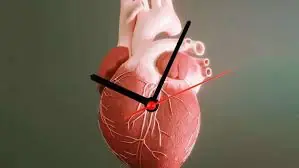
5. Chronic Stress
Long-term stress activates the body’s “fight or flight” response, increasing cortisol and adrenaline levels. Over time, this constant activation can lead to:
-
High blood pressure
-
Increased heart rate
-
Inflammation
-
Higher risk of heart disease
Stress can also indirectly harm heart health by encouraging unhealthy coping habits such as overeating, smoking, or poor sleep.
6. Ignoring Key Health Metrics
Heart aging is also accelerated when key health markers are poorly controlled, including:
-
High blood pressure
-
High cholesterol
-
Elevated blood sugar
-
Excess body weight
The American Heart Association emphasizes monitoring these factors as part of overall cardiovascular health. Improving lifestyle habits can even produce molecular changes that slow biological aging of the heart.
How to Slow Down Heart Aging
The encouraging news is that cardiovascular aging is partly reversible through healthier habits. Experts recommend focusing on several core lifestyle behaviors:
-
Exercise regularly
-
Eat a balanced, heart-healthy diet
-
Sleep 7–9 hours each night
-
Avoid tobacco
-
Manage stress
-
Maintain healthy blood pressure, cholesterol, and blood sugar
Even small improvements can significantly reduce the risk of heart disease and help your heart stay younger for longer.
✅ Bottom line:
Heart aging is not determined by age alone. Your daily choices—how much you move, how well you sleep, what you eat, and whether you smoke—can either protect your heart or silently speed up its aging process.