Foods That May Affect Thyroid Health — What Experts Want You to Know Before Cutting Anything Out
When it comes to thyroid health, food can sometimes become confusing. You may have heard that certain vegetables should be avoided, that soy can interfere with the thyroid, or that some foods can make thyroid problems worse.
But the reality is more nuanced.
For most people, there is no single “thyroid diet” that works for everyone. Your nutritional needs can depend on whether you have an underactive thyroid, an overactive thyroid, an autoimmune thyroid condition, or no thyroid disorder at all.
Here are some foods and nutrients worth understanding before you decide to eliminate anything from your diet.
1. Cruciferous vegetables
Broccoli, cabbage, cauliflower, kale, and Brussels sprouts contain compounds known as glucosinolates. This has led to concerns that they may interfere with thyroid function.
However, eating normal amounts of these vegetables is generally not considered a reason for healthy people to avoid them. They also provide fiber, vitamins, minerals, and other beneficial plant compounds.
The concern is more relevant in specific situations, particularly when someone has an iodine deficiency and consumes very large quantities of certain raw cruciferous vegetables.
For most people, there's no need to remove these nutritious vegetables from the plate.
2. Soy foods
Soybeans, tofu, tempeh, and other soy products sometimes get blamed for interfering with thyroid function.
Soy contains compounds called isoflavones, which can interact with thyroid physiology, but this doesn't mean everyone with a thyroid condition needs to avoid soy.
One practical consideration is medication timing. Soy and high-fiber foods may affect the absorption of levothyroxine in some people, so people taking thyroid medication should follow their healthcare professional's instructions about when to take it and when to eat.
3. Foods containing iodine

Iodine is essential for producing thyroid hormones. Without enough iodine, the thyroid cannot make adequate amounts of these hormones.
But more iodine isn't automatically better.
Too little iodine can be a problem, while excessive iodine intake can also disturb thyroid function in susceptible individuals.
That is why taking iodine supplements simply because you are worried about your thyroid isn't a good idea without medical advice.
4. Highly processed foods
There isn't a single processed food that directly “causes” thyroid disease. However, diets dominated by highly processed foods may provide fewer nutrients and less fiber than a balanced diet.
A healthier approach is to focus on a variety of vegetables, fruits, whole grains, protein sources, nuts, seeds, and other minimally processed foods.
5. Selenium-rich foods
Selenium is another nutrient involved in normal thyroid hormone metabolism and antioxidant defense.
Brazil nuts, seafood, eggs, meat, and some other foods can provide selenium.
But once again, more isn't necessarily better. Selenium supplements can be harmful in excessive amounts, so it's generally preferable to obtain nutrients from food unless supplementation has been recommended for a specific reason.
6. Gluten: does everyone need to avoid it?
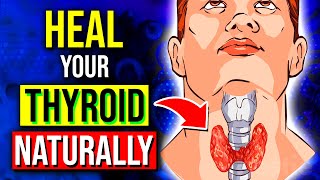
Gluten is often discussed in connection with thyroid disease, particularly autoimmune thyroid conditions.
However, there is no general rule that everyone with a thyroid problem should eliminate gluten.
People with celiac disease have a clear medical reason to avoid gluten, but for others, removing gluten without a diagnosis may provide no thyroid benefit and can make the diet unnecessarily restrictive.
The biggest mistake may be cutting out too many foods
When people hear that a food “affects the thyroid,” they may completely eliminate it.
That isn't always necessary.
Thyroid health depends on many factors, including iodine status, medications, autoimmune conditions, other medical conditions, and overall nutrition. One food rarely tells the whole story.
If you have been diagnosed with a thyroid condition, it's better to discuss major dietary changes with your doctor or a registered dietitian rather than following a restrictive food list from social media.
The goal isn't to fear certain foods. It's to understand how they fit into your individual health needs.
And if you're taking thyroid medication, remember that how and when you take the medication can matter just as much as what you eat.