Heart Blockage Doesn’t Always Start in the Chest: These Nighttime Foot and Leg Signs Could Be Early Warnings
When people think about heart problems, they often expect chest pain to be the first sign. But according to health experts, heart blockage doesn’t always begin with obvious symptoms—and sometimes, the earliest warnings appear far from the chest.
In fact, subtle changes in your legs and feet—especially at night—could signal that your blood circulation is being affected.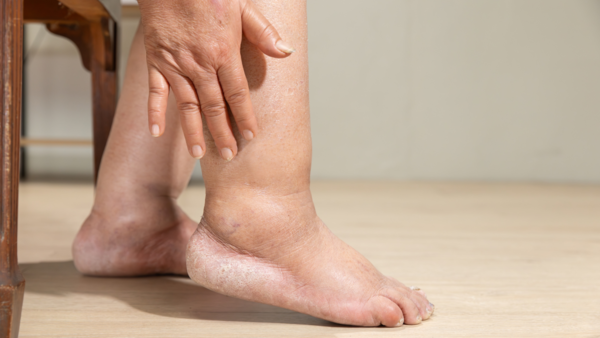
Understanding Heart Blockage
Heart blockage, also known as coronary artery disease, happens when plaque builds up inside arteries, restricting blood flow. Over time, this can reduce oxygen supply to vital organs and increase the risk of heart attack.
What makes this condition dangerous is how quietly it develops. Many early symptoms are mild and easy to ignore.
Nighttime Signs in Feet and Legs You Shouldn’t Ignore
1. Leg Pain or Cramping at Night
If you frequently experience pain or cramping in your legs—especially when lying down—it could be a sign of poor circulation. This may be linked to peripheral artery disease, a condition often associated with heart blockage.
2. Cold Feet While Sleeping
Do your feet feel unusually cold at night, even under blankets? Reduced blood flow can prevent enough warmth from reaching your extremities.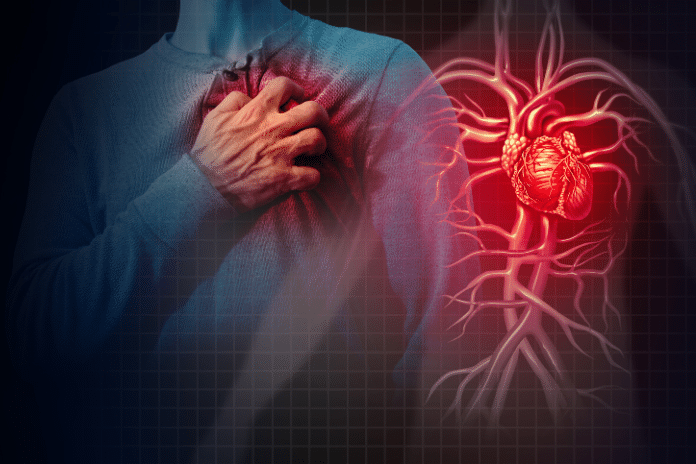
3. Tingling or Numbness
A “pins and needles” sensation in your legs or feet may indicate that oxygen-rich blood isn’t reaching the nerves properly.
4. Swelling in Feet or Ankles
Fluid buildup in the lower limbs—especially noticeable at night—can be a sign that the heart is not pumping efficiently.
5. Changes in Skin Color or Texture
Pale, bluish, or shiny skin on the legs or feet may point to reduced circulation and oxygen supply.
6. Weak Pulses in the Feet
Doctors often check pulses in the feet to assess blood flow. Weak or absent pulses can indicate narrowed or blocked arteries.
Why These Signs Often Go Unnoticed
Many people dismiss these symptoms as minor issues—like fatigue, aging, or poor sleep. However, experts warn that early signs of heart blockage are often subtle and easily overlooked.
In some cases, symptoms such as leg pain, fatigue, dizziness, or breathlessness appear long before serious heart events occur.
When to Take Action
If you notice persistent or worsening symptoms—especially a combination of leg discomfort, swelling, and unusual sensations—it’s important to seek medical advice.
Early detection can make a significant difference. Lifestyle changes, medication, or early treatment may help prevent severe complications like heart attacks or stroke.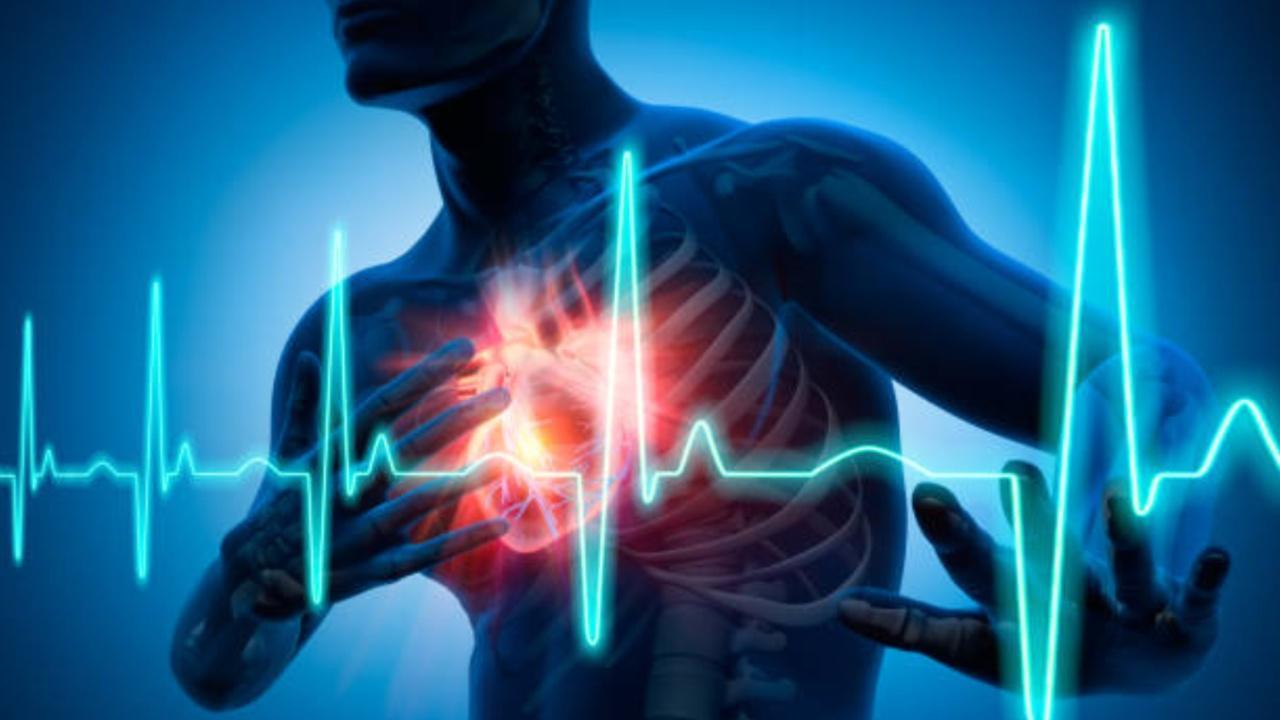
The Bottom Line
Heart problems don’t always begin with dramatic warning signs.
Sometimes, your body sends quiet signals through your legs and feet—especially at night. Paying attention to these subtle changes could help you catch a serious condition before it becomes life-threatening.
Because when it comes to heart health, what seems small may matter the most.