⚠️ Recurring Hives? These Unexpected Factors May Be Contributing to Your Symptoms
If you've ever experienced hives, you know how uncomfortable they can be. These itchy, raised welts can appear suddenly anywhere on the body and may disappear within hours, only to return again later.
For some people, hives are a temporary reaction to a specific trigger. For others, they become a recurring problem that seems to come and go without any obvious explanation. If you've been dealing with frequent outbreaks, there may be underlying factors you haven't considered.
Here's what experts say about some of the lesser-known causes that may contribute to recurring hives.
What Are Hives?
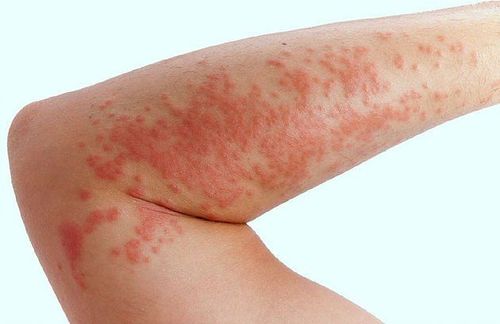
Hives, also known as urticaria, are red, itchy bumps or welts that develop when certain cells in the skin release histamine and other chemicals into the bloodstream.
This reaction causes small blood vessels to leak fluid, leading to swelling, redness, and itching.
While hives are often associated with allergies, not every case is caused by an allergic reaction.
1. Stress May Be Playing a Bigger Role Than You Think
Many people are surprised to learn that emotional stress can sometimes trigger or worsen hives.
During periods of anxiety, tension, or emotional strain, the body releases stress hormones that may affect the immune system and increase inflammation. In some individuals, this response can contribute to flare-ups of itchy skin welts.
If your hives seem to appear during stressful periods, stress management techniques such as exercise, meditation, deep breathing, and adequate sleep may help reduce symptoms.
2. Hidden Food Sensitivities
Food allergies are a well-known cause of hives, but food sensitivities may also contribute in some cases.
Common foods that have been linked to reactions include:
• Shellfish
• Eggs
• Milk products
• Peanuts and tree nuts
• Strawberries
• Tomatoes
• Certain food additives and preservatives
Keeping a food diary may help identify patterns between what you eat and when symptoms occur.
3. Certain Medications Can Trigger Hives
Some medications may cause hives as a side effect, even if you've taken them before without problems.
Potential culprits include:
• Antibiotics
• Aspirin
• Nonsteroidal anti-inflammatory drugs (NSAIDs)
• Blood pressure medications
• Certain pain relievers
Never stop prescribed medication without consulting a healthcare professional, but if you suspect a medication may be contributing to your symptoms, discuss it with your doctor.
4. Temperature Changes
Your skin may react to sudden changes in temperature.
Some people develop hives after:
• Exposure to cold weather
• Swimming in cold water
• Taking hot showers
• Excessive sweating
• Intense exercise
This condition is sometimes referred to as physical urticaria, where environmental factors trigger the body's histamine response.
5. Pressure on the Skin
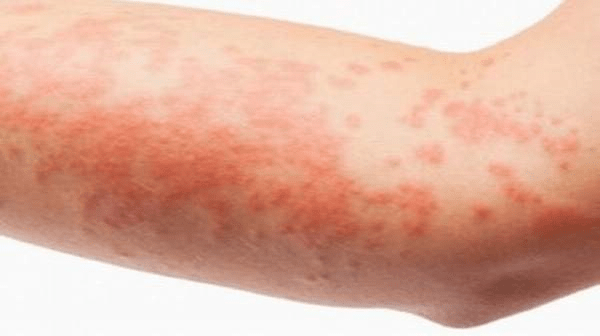
Something as simple as tight clothing, backpack straps, belts, or prolonged sitting can occasionally trigger hives in sensitive individuals.
These reactions may appear hours after pressure is applied and can last longer than typical hives.
Wearing loose-fitting clothing and avoiding unnecessary pressure on the skin may help reduce outbreaks.
6. Infections and Illnesses
Sometimes hives are the result of the body's immune response to an infection rather than an allergy.
Possible triggers include:
• Common colds
• Sinus infections
• Urinary tract infections
• Viral illnesses
• Certain bacterial infections
In some cases, treating the underlying infection may help resolve recurring hives.
7. Autoimmune Conditions
Research suggests that chronic hives may sometimes be linked to autoimmune activity.
Autoimmune disorders occur when the immune system mistakenly attacks healthy tissues. Conditions involving the thyroid gland are among the autoimmune issues most commonly associated with chronic hives.
While not everyone with recurring hives has an autoimmune condition, healthcare providers may investigate this possibility if symptoms persist for months.
8. Hormonal Fluctuations
Changes in hormone levels may affect the immune system and inflammatory responses.
Some individuals report worsening hives during:
• Pregnancy
• Menstrual cycles
• Menopause
• Significant hormonal changes
Although the relationship isn't fully understood, hormones may influence how the body reacts to certain triggers.
9. Exposure to Everyday Chemicals
Products you use daily may sometimes irritate the skin or trigger allergic reactions.
Potential sources include:
• Laundry detergents
• Perfumes
• Cleaning products
• Cosmetics
• Soaps and body washes
Switching to fragrance-free or hypoallergenic products may help if skin irritation is contributing to symptoms.
When Should You Seek Medical Attention?
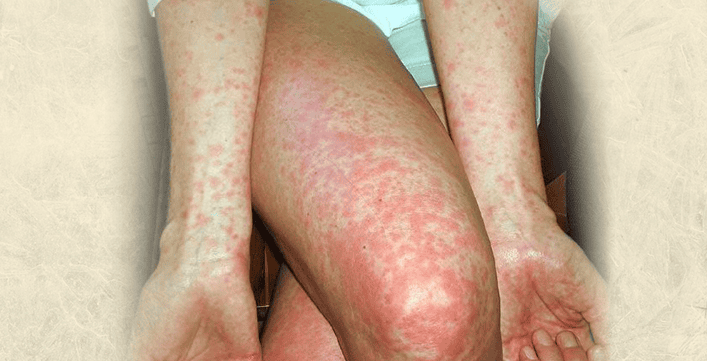
Most cases of hives are not dangerous and resolve on their own. However, medical attention is important if you experience:
• Difficulty breathing
• Swelling of the lips, tongue, or throat
• Severe dizziness
• Rapid spreading of symptoms
These may be signs of a serious allergic reaction requiring immediate treatment.
You should also consult a healthcare professional if hives:
• Persist for more than six weeks
• Frequently return without explanation
• Interfere with sleep or daily activities
• Do not improve with standard treatments
The Bottom Line
Recurring hives can be frustrating, especially when there is no obvious cause. While allergies are often blamed, other factors—including stress, medications, infections, hormonal changes, autoimmune conditions, temperature fluctuations, and environmental triggers—may also play a role.
Understanding your potential triggers and working with a healthcare professional can help identify the underlying cause and guide appropriate treatment. Paying attention to patterns in your symptoms may be one of the most useful steps toward finding lasting relief.
Remember: persistent or severe hives deserve medical evaluation, particularly if they affect your quality of life or are accompanied by symptoms such as breathing difficulties or significant swelling.