Bruises are common - you bump into something, the skin changes color, and it fades in a few days. But sometimes, bruises show up without a clear reason, last longer than expected, or look unusual. In those cases, your body might be signaling something deeper.
Bruising happens when small blood vessels under the skin break and leak blood. Normally, the body repairs this quickly. But frequent, unexplained, or abnormal bruising can point to underlying issues related to blood, nutrition, or organ function.
Let’s break down the types of bruises you should pay attention to and what they might mean.
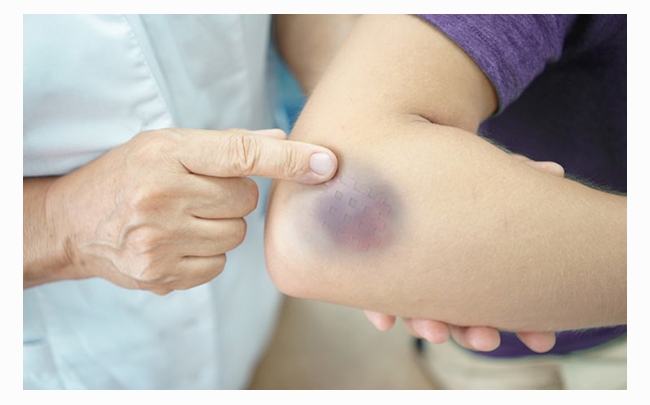
1. Bruises That Appear Without Injury
What it looks like:
- Random bruises on arms or legs
- You don’t remember hitting anything
Possible meaning:
- Fragile blood vessels
- Vitamin deficiencies (like vitamin C or K)
- Blood clotting issues
Why it matters:
If bruises appear often without trauma, it may indicate that your body isn’t repairing blood vessels properly.
2. Large or Painful Bruises (Hematomas)
What it looks like:
- Large, swollen bruises
- Painful to the touch
- May feel firm under the skin
Possible causes:
- Deeper tissue injury
- Blood pooling under the skin
- In some cases, medication effects (like blood thinners)
When to be cautious:
If these appear easily or frequently, it’s worth checking further.

3. Tiny Red or Purple Dots (Petechiae)
What it looks like:
- Small pinpoint spots
- Red, purple, or brown
- Do not fade when pressed
Possible meaning:
- Platelet-related issues
- Infections
- Certain blood disorders
Important:
This type is different from normal bruising and should not be ignored if widespread.
4. Bruises That Take Too Long to Heal
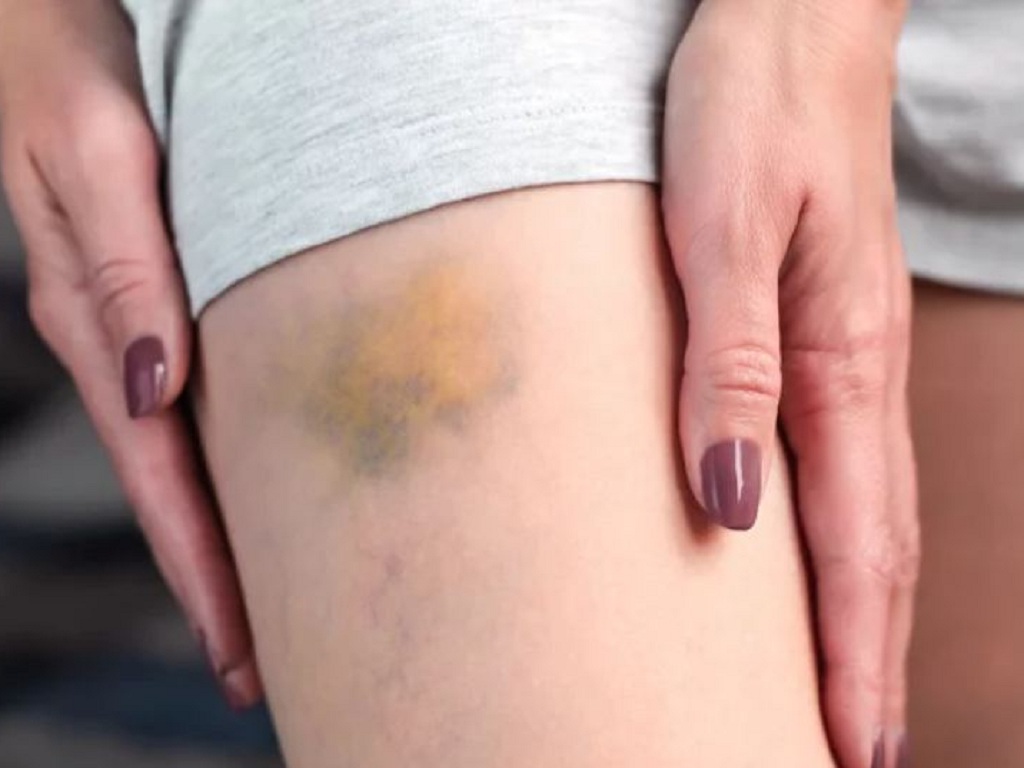
Normal healing:
- Changes color (red → purple → green → yellow)
- Fades within 1–2 weeks
Warning sign:
- Bruises lasting much longer
- Slow color change
Possible causes:
- Poor circulation
- Aging skin
- Nutritional deficiencies
- Liver-related issues
5. Frequent Bruising in the Same Area
What it suggests:
- Repeated minor trauma
- Weak tissue or skin in that area
- Underlying vascular fragility
If it happens often without clear reason, it may need attention.
6. Bruising Along With Other Symptoms
This is where it becomes more serious.
Watch for combinations like:
- Bruising + fatigue
- Bruising + bleeding gums
- Bruising + weight loss
- Bruising + frequent infections
Why it matters:
These combinations may indicate systemic conditions, including blood-related disorders.
Why Bruises Can Reflect Internal Health
Your body relies on:
- Healthy blood vessels
- Proper clotting function
- Adequate nutrients
When something disrupts this system, bruising patterns change.
Common Non-Serious Causes
Not all bruises are alarming. Some common reasons include:
- Minor unnoticed bumps
- Aging (thinner skin)
- Intense physical activity
- Certain medications
The key is pattern and frequency, not just one bruise.
When Should You Be Concerned?
You should consider medical advice if:
- Bruises appear frequently without cause
- They are unusually large or painful
- They don’t heal over time
- You notice other unusual symptoms
Early evaluation can rule out serious issues.
Final Take
Bruises are more than just skin marks - they can be small signals from your body.
- Most are harmless
- Some deserve attention
The difference lies in:
- Frequency
- Size
- Healing time
- Associated symptoms
The goal isn’t to worry - it’s to stay aware.
Because sometimes, what looks like a minor bruise can be your body’s quiet way of asking you to look deeper.