Cervical Disc Herniation: Warning Signs You Shouldn’t Ignore
Neck pain is something many people experience at some point in their lives. But in some cases, it may be more than just muscle strain. One possible cause is cervical disc herniation, a condition that affects the discs in your neck (cervical spine) and can lead to pain, discomfort, and nerve-related symptoms.
Understanding the early warning signs can help you seek care before the condition worsens.
What Is Cervical Disc Herniation?
The cervical spine is made up of bones (vertebrae) separated by soft discs that act as cushions. When one of these discs becomes damaged or slips out of place, it can press on nearby nerves. This is known as a herniated disc.
It can happen due to aging, injury, poor posture, or repetitive strain.
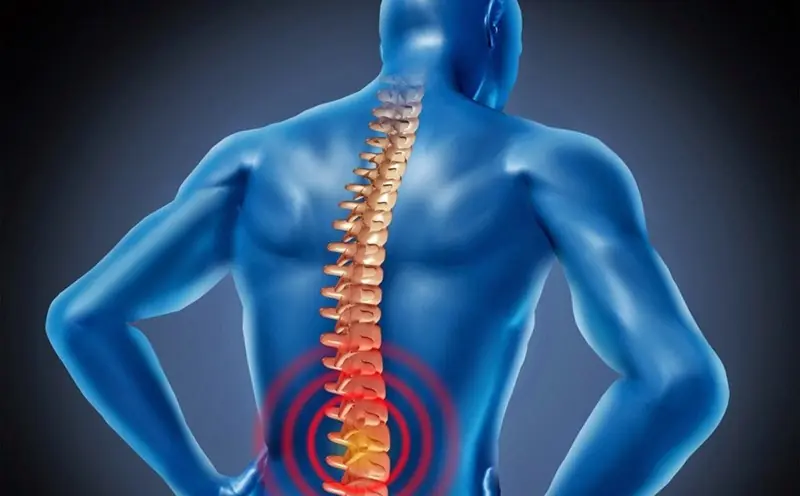
Common Warning Signs
1. Persistent Neck Pain
Ongoing pain or stiffness in the neck is often the first sign. It may worsen with movement or after long periods of sitting or looking down.
2. Pain Radiating to the Shoulder or Arm
If the herniated disc presses on a nerve, pain may travel from the neck down into the shoulder, arm, or even the hand.
3. Numbness or Tingling
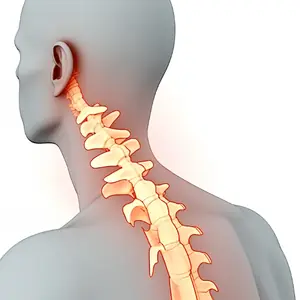
A “pins and needles” sensation in the arms, hands, or fingers can indicate nerve involvement.
4. Muscle Weakness
You may notice weakness in your arms or hands, making it harder to lift objects or perform everyday tasks.
5. Reduced Range of Motion
Difficulty turning your head or stiffness that limits movement can also be a warning sign.
6. Headaches
Some people experience headaches that start from the neck and move toward the back of the head.
When Should You See a Doctor?
You should seek medical attention if:
-
Pain persists for several days or worsens
-
Symptoms spread to your arms or hands
-
You experience numbness, tingling, or weakness
-
Daily activities become difficult
Early diagnosis can help prevent complications and improve recovery.
How Is It Managed?
Treatment depends on the severity of the condition. In many cases, non-surgical options are effective, including:
-
Rest and posture correction
-
Physical therapy
-
Pain relief medications
-
Gentle stretching exercises
In more severe cases, medical procedures or surgery may be considered.
The Bottom Line
Cervical disc herniation is a common condition, but it shouldn’t be ignored. Paying attention to early warning signs—especially nerve-related symptoms—can make a big difference in recovery.
If you notice persistent neck pain or unusual sensations in your arms or hands, it’s best to get checked. Acting early can help you stay active, comfortable, and healthy.