If extensive scarring occurs, cirrhosis can develop.
Cirrhosis significantly changes the structure and function of the liver and increases the risk of complications, including liver cancer.
This process generally develops over years rather than after drinking a particular beverage once or twice.
Can You Have Liver Disease Without Knowing It?
Yes.
This is one of the reasons routine healthcare matters.
Early liver disease can be silent.
A person may feel perfectly normal while blood tests or imaging reveal abnormalities.
Depending on the situation, doctors may evaluate liver health using:
-
Medical history
-
Physical examination
-
Liver blood tests
-
Hepatitis testing
-
Ultrasound
-
CT scans
-
MRI
-
Other specialized tests
The appropriate evaluation depends on the person's symptoms and risk factors.
What About “Detoxing” Your Liver?
Stories about liver cancer sometimes lead people to search for “liver detox” drinks or special cleansing diets.
Be careful with these claims.
Your liver already performs its own metabolic and detoxification functions.
There is no special juice, tea, or milk preparation that can reliably “flush out” cancer or reverse advanced liver disease.
Some supplements marketed as detox products can even cause liver injury.
If you're concerned about your liver, evidence-based medical evaluation is much more useful than an aggressive detox program.
Should You Stop Drinking Milk to Protect Your Liver?
For most people, there is no general medical reason to stop drinking ordinary milk solely because they are worried about liver cancer.
Milk can provide valuable nutrients and can fit into a balanced diet.
Instead of asking:
“Should I never drink milk?”
a better question may be:
“What does my overall diet look like?”
Consider the bigger picture:
-
How much added sugar do you consume?
-
How many sugary drinks do you have?
-
Are you maintaining a healthy body weight?
-
Are you physically active?
-
Do you drink alcohol?
-
Do you have diabetes or insulin resistance?
-
Have you been tested for hepatitis when appropriate?
-
Do you have known liver disease?
-
Are you taking medications or supplements that can affect the liver?
Those questions provide much more useful information about liver health.
What Does a Liver-Friendly Diet Look Like?
There is no single “liver diet” that works for everyone.
But a generally balanced dietary pattern can include:
Plenty of vegetables
Vegetables provide fiber and a wide range of micronutrients.
Whole fruits
Whole fruit contains naturally occurring sugars along with fiber and other nutrients.
Whole grains
Foods such as brown rice, whole-grain bread, and other minimally processed grains can provide fiber.
Beans and legumes
These provide fiber and plant-based protein.
Nuts and seeds
They provide unsaturated fats and other nutrients when consumed in appropriate portions.
Adequate protein
Protein can come from a variety of sources, depending on individual dietary needs.
Water and unsweetened beverages
Replacing sugary drinks with lower-sugar options can help reduce unnecessary calorie intake.
The goal isn't perfection.
It's a sustainable eating pattern.
Be Careful With Sugary Drinks
One of the easiest dietary changes for many people is reducing unnecessary liquid calories.
Sugary beverages can contain substantial amounts of added sugar while providing relatively little satiety.
Examples include:
-
Sweetened soft drinks
-
Energy drinks
-
Sweetened milk drinks
-
Sweetened coffee beverages
-
Dessert-style drinks
-
Some packaged teas
Drinking these occasionally isn't automatically dangerous.
The concern is regular, high consumption over time, particularly when it contributes to excess calorie intake and metabolic problems.
Portion Size Matters Too
Even nutritious foods can become problematic when consumed in excessive quantities.
Milk contains calories, protein, fat, and naturally occurring carbohydrate.
If someone drinks very large quantities every day while also consuming a calorie-dense diet, total energy intake can become higher than their body needs.
The answer isn't necessarily to eliminate the food.
It may simply be to choose an appropriate portion and consider the rest of the diet.
What If You Already Have Fatty Liver?
If you've been diagnosed with fatty liver disease, don't assume that simply eliminating milk will solve the problem.
Management usually focuses on the underlying metabolic and lifestyle factors.
Depending on your individual situation, your healthcare professional may recommend:
-
Weight management
-
Regular physical activity
-
Improved dietary quality
-
Limiting alcohol
-
Managing diabetes
-
Managing cholesterol and triglycerides
-
Monitoring liver health
If you have established liver disease, dietary advice should be individualized.
When Should You Talk to a Doctor About Liver Symptoms?
Don't wait for severe symptoms if you have persistent concerns about your liver.
Medical evaluation is especially important if you experience:
-
Persistent unexplained fatigue
-
Unexplained weight loss
-
Persistent loss of appetite
-
Yellowing of the skin or eyes
-
Dark urine
-
Pale stools
-
Persistent abdominal swelling
-
Unexplained abdominal pain
-
Persistent nausea
-
Easy bruising or bleeding
-
A known history of hepatitis
-
Known liver disease
These symptoms don't automatically mean cancer.
But they deserve appropriate evaluation.
The Bigger Lesson Behind the Milk Story
The most important lesson isn't:
“Milk causes liver cancer.”
That would be an unsupported conclusion.
The more useful lesson is that daily habits should be considered in context.
A food can be nutritious while still being inappropriate in excessive amounts for a particular person.
A beverage can contain a healthy ingredient while also containing substantial added sugar.
And two people can develop the same disease without having the same cause.
When doctors investigate liver cancer, they look at the person's complete medical history, risk factors, laboratory results, imaging, and other evidence.
They don't determine the cause simply by looking at one item in the diet.
What You Can Do to Protect Your Liver
You don't need to become afraid of every food in your kitchen.
Instead, focus on habits that have a meaningful connection with liver health.
Maintain a healthy weight
If you have excess weight, gradual and sustainable weight loss can improve metabolic health and may benefit fatty liver disease.
Stay physically active
Regular physical activity supports metabolic health even when weight loss is modest.
Limit excessive alcohol
If you drink alcohol, follow appropriate medical guidance, particularly if you have liver disease.
Manage blood sugar
Diabetes and insulin resistance can contribute to fatty liver and liver complications.
Monitor cholesterol and blood pressure
These are important components of metabolic health.
Get appropriate hepatitis testing and vaccination
Hepatitis B vaccination is an important preventive measure, while hepatitis B and C testing and treatment can reduce long-term liver complications in appropriate individuals.
Be cautious with supplements
“Natural” doesn't automatically mean safe for the liver.
Don't ignore persistent symptoms
Early evaluation can identify treatable causes of liver problems.
Final Takeaway
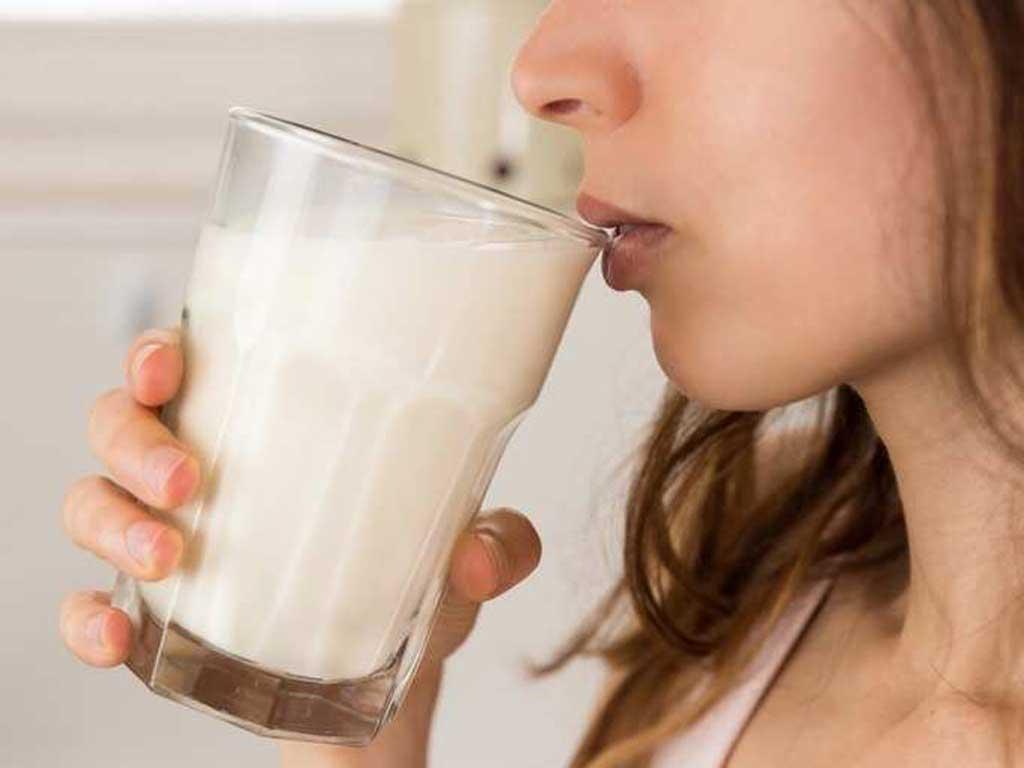
The story of a husband and wife who both drank milk every day and later received a liver cancer diagnosis is certainly attention-grabbing.
But the timing of two events does not prove that one caused the other.
Ordinary milk is not established as a direct cause of liver cancer.
The more important questions are what type of milk they consumed, how much they consumed, what else they ate and drank, and whether they had other risk factors such as chronic hepatitis, metabolic disease, alcohol-related liver injury, or cirrhosis.
For most people, plain milk can be part of a balanced diet.
The greater concern is often the overall dietary pattern, particularly consistently excessive calories, added sugars, alcohol, and metabolic risk factors that can contribute to chronic liver disease.
So there's no need to panic over a glass of milk.
Instead, look at the bigger picture.
Your liver doesn't judge your health based on one food—it responds to the patterns your body experiences over time.
And if you have persistent symptoms, known liver disease, or significant risk factors for liver cancer, don't try to diagnose the problem by changing one item in your diet. Talk with a healthcare professional and get the appropriate evaluation.