Heat-related illness can develop quickly.
Parents and caregivers should make sure children are never left unattended in parked vehicles.
They should also establish routines that reduce the possibility of forgetting a child in a car.
These can include checking the rear seat every time the vehicle is parked, keeping personal belongings in the back seat as a reminder, and arranging for another caregiver to make contact if a child does not arrive at an expected destination.
The purpose of these measures is prevention.
They should not be interpreted as suggesting that heat exposure played any role in the tragedy described here.
Pay Attention to Unusual Vehicle Conditions
People should also recognize situations in which a parked vehicle may present a potential danger.
Examples include:
-
A vehicle running inside an enclosed garage.
-
Exhaust fumes entering a home or another occupied space.
-
Someone inside a car who appears unconscious or confused.
-
A child or vulnerable person left alone in a vehicle.
-
A vehicle showing signs of smoke, overheating, or mechanical danger.
In such situations, contacting emergency services is safer than making assumptions.
The appropriate response depends on the immediate circumstances, but personal safety should always come first.
Emergency Awareness Can Make a Difference
The most important lesson is not that every parked car should be treated as suspicious.
It is that people should not ignore obvious signs of distress.
If someone appears to need urgent assistance, a prompt call for help can bring trained responders to the scene.
A passerby does not need to know the cause of an emergency before contacting authorities.
They simply need to recognize that something may be wrong and communicate what they can observe.
In the supplied account, that initial concern reportedly led to the discovery.
The outcome was tragic, but the decision to seek help remains an important part of the story.
The Wider Emotional Impact on Families Facing Sudden Loss
When two members of a family die unexpectedly, the consequences extend far beyond the immediate event.
Relatives may suddenly face funeral arrangements, financial responsibilities, childcare changes, and difficult conversations.
They may also have to deal with media attention and questions from people who want to know what happened.
All of this can occur while they are still trying to understand the loss themselves.
Grief Does Not Follow a Predictable Schedule
People often imagine grief as a process that moves through clearly defined stages.
In reality, emotional responses can be complicated and unpredictable.
A relative may feel shock at first and sadness later.
Another may experience anger, confusion, or an inability to concentrate.
Some people may find it difficult to sleep.
Others may prefer to stay busy with practical tasks.
There is no single timetable that applies to everyone.
Sudden loss can be particularly difficult because there may be little opportunity to prepare emotionally.
When a family member dies unexpectedly, relatives may find themselves repeatedly thinking about the last conversation or the last ordinary moment they shared.
They may struggle with questions that have no immediate answers.
Professional grief counseling can provide a place to discuss these feelings.
Support from friends, relatives, and community organizations may also help.
Supporting Children Who Hear About the Incident
Tragedies involving young children can affect other children in the community.
They may hear adults discussing the news or see photographs online.
Some may become frightened and ask whether similar events could happen to their own families.
Parents and caregivers should respond in a calm and age-appropriate way.
It is usually better to provide simple, honest explanations rather than overwhelming children with details.
Adults can reassure them that they are being cared for and that emergency services are available when someone needs help.
Children should also be allowed to express their feelings without being pressured to react in a particular way.
Some may ask questions immediately.
Others may need time before discussing what they have heard.
If a child becomes persistently anxious, has difficulty sleeping, or experiences significant changes in behavior, professional support may be helpful.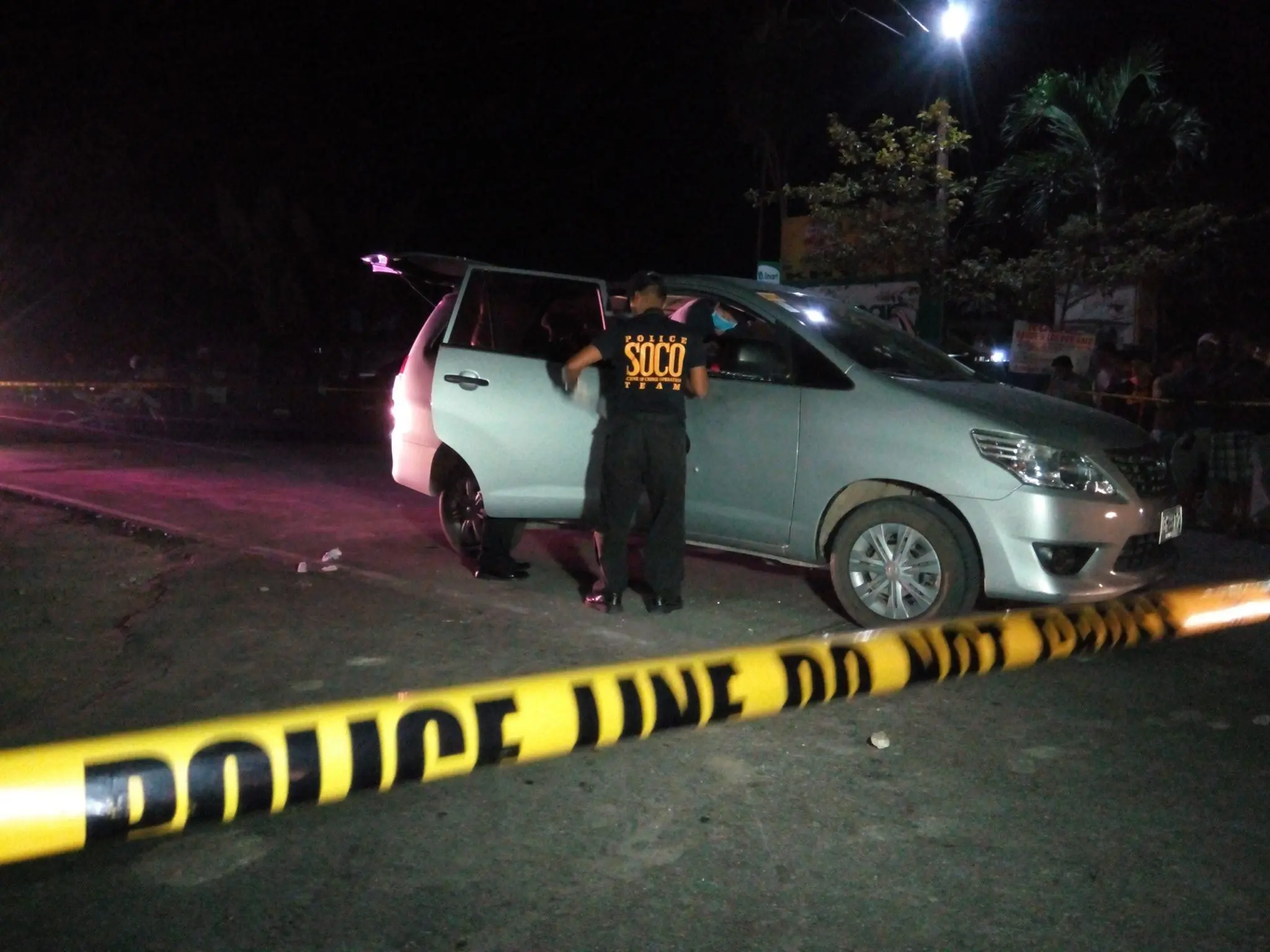
The Importance of Looking After the People Who Remain
After a sudden tragedy, relatives may become so focused on arrangements and responsibilities that they neglect their own needs.
They may feel pressure to remain strong for other family members.
But grief can affect physical and emotional health.
Rest, regular meals, supportive conversations, and practical assistance can all be important.
People who are struggling should not feel that they must handle everything alone.
Community organizations, religious groups, counselors, and healthcare professionals may provide support.
The same principle applies to neighbors and first responders who were directly affected by the incident.
A community response should include concern for the people who remain, not only the public discussion of the event itself.
Waiting for Answers: What the Investigation May Reveal
For those following the story, the most difficult part may be the uncertainty.
The supplied report describes the discovery and the emotional reaction that followed, but it does not provide a complete investigative record.
There is no confirmed location, no verified timeline, and no official determination of the cause of death in the material provided.
That means several important questions remain open.
Investigators would need to establish exactly where the vehicle was found, how long it had been there, and what happened before the emergency call.
They would also need to determine whether the deaths were connected to a medical condition, an environmental factor, an accident, or another circumstance.
The answers may require more than one examination.
Could Witness Information Help Explain What Happened?
People who were in the area before the discovery may have information that helps establish the timeline.
A person might have seen the vehicle arrive.
Someone else might have noticed whether the engine was running or whether anyone entered or left the car.
Nearby residents may have security cameras that recorded part of the surrounding area.
Investigators can compare these accounts with other available evidence.
However, witness memories are not always exact.
Someone may remember seeing a vehicle but not know when it arrived.
A camera may capture the vehicle without showing what happened inside.
For that reason, witness information is usually considered alongside physical and medical evidence.
Why the Final Findings May Take Time
The process of determining a cause of death can be complicated.
An autopsy may provide important information, but laboratory testing can take additional time.
Toxicology results, for example, may require specialized analysis.
Investigators may also need to compare medical findings with information from the scene.
If several possible explanations remain, additional examinations may be necessary.
The time required depends on the circumstances and the available evidence.
This is why an early report should not be treated as the final explanation.
A preliminary statement can establish that an incident occurred without answering every question.
For the family, waiting may feel unbearable.
But a careful investigation is preferable to a rushed conclusion that could later prove incorrect.
A Story That Should Be Remembered With Compassion, Not Speculation
The headline is shocking because it describes two people from the same family being found dead inside one vehicle.
The photograph makes the story even more difficult to forget.
On one side are officers gathered around a silver car.
On the other is a woman and a young boy smiling together in a family photograph.
It is natural for readers to want an explanation.
They want to know what happened, why it happened, and whether anyone could have prevented it.
But the information currently available does not answer those questions.
It would be unfair to the family to turn uncertain details into established facts.
It would also be misleading to borrow names, ages, or circumstances from other mother-and-child incidents simply because their headlines appear similar.
What can be said is that the supplied account describes a devastating discovery, an emergency response, and an investigation into the circumstances surrounding the deaths.
The family photograph reminds readers that the people involved had lives beyond the headline.
The police photograph shows the seriousness of the response.
And the unanswered questions demonstrate why accurate information matters.
A community facing such a loss needs compassion, privacy, and reliable answers.
It does not need rumors.
The people who knew the mother and child may remember them through family photographs, everyday conversations, and the ordinary moments they once shared.
Those memories deserve more attention than unverified theories about their final hours.
The investigation should be allowed to establish what happened through evidence.
Until then, the most respectful response is to acknowledge the loss without pretending to know more than has been confirmed.
Sometimes the most important part of a heartbreaking story is not the mystery surrounding it, but the reminder that behind every headline are real people, real relationships, and families whose lives may never be the same again.