Thin Hair, Visible Scalp? Use Ginger This Way and Watch Your Hair Grow Fast!
Ginger is not just a kitchen spice – it’s also a powerful remedy to reduce hair loss and stimulate hair growth.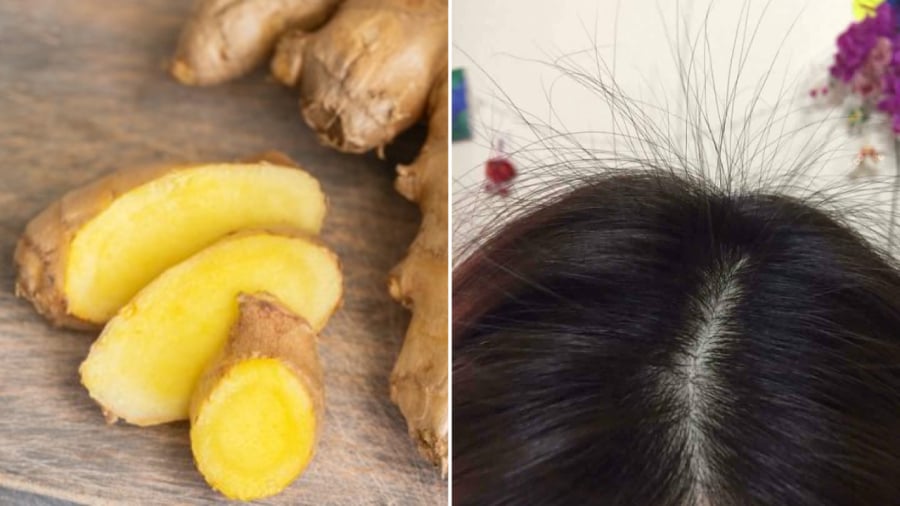
Ginger is rich in nutrients such as vitamins B3, B6, and C, as well as minerals like zinc, iron, magnesium, phosphorus, and potassium. These nutrients are beneficial for hair growth and help strengthen the hair.
Using ginger correctly can stimulate blood circulation in the scalp. This allows hair follicles to receive more nutrients, which in turn promotes the growth of healthy hair strands.
Ginger also contains compounds with antibacterial, anti-inflammatory, and antifungal properties. It helps cleanse the scalp, prevent dandruff, and support the treatment of folliculitis and scalp infections – common causes of hair loss. Addressing these issues can significantly improve hair shedding.
Moreover, ginger can protect hair from environmental damage like heat, dust, and chemicals. As a result, your hair will become shinier, easier to comb, and less prone to falling out.
There are various ways to use ginger to protect your hair, reduce hair loss, and encourage hair growth:
1. Use Ginger Juice
You can apply ginger juice directly to your scalp to reduce dandruff and itching, disinfect the scalp, fight fungal infections, and improve blood flow to the hair follicles.
-
Simply wash fresh ginger, then grate or crush it to extract the juice.
-
Dilute the juice with a bit of water and use a cotton ball to dab it onto your scalp – especially in dandruff-prone areas.
-
Important: Only apply the juice to the scalp, not the hair shafts or ends, to avoid drying out the hair.
Gently massage and leave it on for about 5–10 minutes to allow the active ingredients to take effect. Then, shampoo your hair as usual.
Use 2–3 times per week for best results.
2. Use Ginger-Based Shampoos
Many shampoos on the market now include ginger extracts. Research and choose one that suits your hair type and needs.
Alternatively, you can mix a small amount of ginger juice into your regular shampoo and wash your hair as usual.
3. DIY Ginger Oil
-
Slice a clean, fresh ginger root and add it to coconut oil or olive oil.
-
Simmer the mixture over low heat for about 10 minutes to infuse the oil with ginger’s nutrients.
-
Let it cool, then strain and store in an airtight container.
To use:
Take a moderate amount of oil and massage it into your scalp and hair. Leave it on for 30 minutes before washing thoroughly with shampoo.
Apply 1–2 times a week for noticeable improvement.
4. Rinse Hair with Ginger Water
-
Crush ginger and simmer in boiling water for about 10 minutes.
-
Let it cool and strain out the ginger pieces.
-
Use this water as a final hair rinse after shampooing.
5. Ginger Hair Mask
-
Mix ginger juice, coconut oil, and honey in a ratio of 2:2:1.
-
Apply the mixture to your scalp and hair, then massage gently.
-
Leave it on for about 30 minutes, then rinse with shampoo.
Use once a week for the best effect.
Precautions:
-
Before applying to your whole scalp, do a patch test by applying a small amount of ginger juice to a small area of skin.
-
If you experience burning, irritation, or an allergic reaction, stop using immediately.
-
Always dilute ginger juice with water or carrier oils to reduce the risk of irritation.
-
Do not use ginger on broken or scratched skin.