A toaster is one of the simplest appliances in the kitchen. Put bread in, press the lever, wait a few minutes, and breakfast is ready.
Because it seems so straightforward, it's easy to forget that a toaster is also an electrical appliance that generates significant heat.
Every year, kitchen fires and electrical accidents are associated with misuse of cooking appliances. One of the easiest ways to reduce the risk is to understand what should—and should not—go into your toaster.
Some foods can drip, melt, ignite, become stuck, or interfere with the toaster's heating elements. Others can create electrical or fire hazards when someone tries to remove them incorrectly.
Here are the most important things to keep out of your toaster, along with practical safety habits that can help prevent accidents.
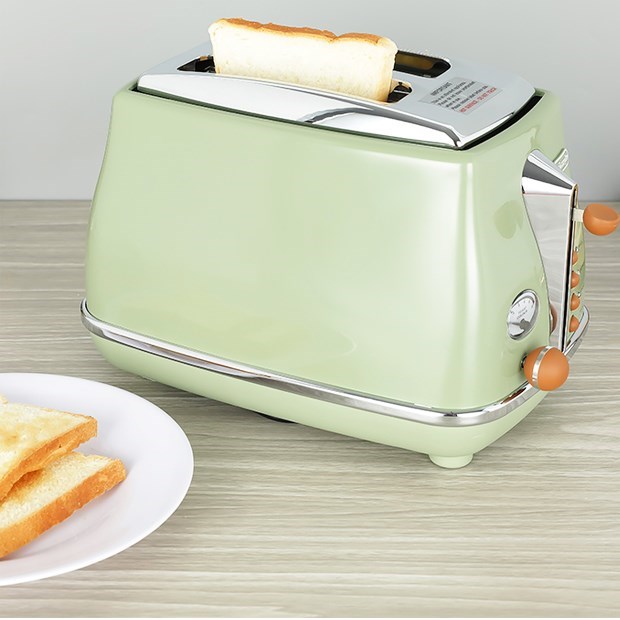
1. Don't Put a Knife or Fork Into a Toaster
This is one of the most important rules.
If a piece of bread becomes stuck, you might instinctively reach for a knife or fork.
Don't.
The heating elements inside the toaster are connected to electricity. A metal utensil can potentially create an electrical path and increase the risk of:
-
Electric shock
-
Burns
-
Short circuits
-
Damage to the appliance
Even if the toaster appears to be switched off, it may still be connected to the electrical supply.
What should you do instead?
If food becomes stuck:
-
Turn the toaster off.
-
Unplug it from the wall.
-
Allow it to cool completely.
-
Only then remove the food, following the manufacturer's instructions.
Never use a metal object to retrieve food from a plugged-in toaster.
2. Avoid Foods With Runny Cheese
Cheese toast may sound like an easy toaster recipe, but ordinary pop-up toasters aren't necessarily designed for it.
When cheese melts, it can drip through the slots and onto the heating elements.
This can cause:
-
Smoke
-
Burning odors
-
Difficult-to-remove residue
-
Potential fire hazards
If you want melted cheese on toast, use an appliance designed for that purpose, such as an oven, toaster oven, or grill, according to the manufacturer's instructions.
3. Don't Put Buttered Bread Directly Into a Standard Toaster
Butter melts quickly when heated.
When butter drips into a pop-up toaster, it can create smoke and residue around the heating elements.
There's also a difference between toastable bread with a small amount of fat incorporated into the dough and bread heavily coated with butter before being placed into a standard toaster.
If you want buttery toast, a safer approach is generally to toast the bread first and add the butter afterward.
4. Be Careful With Bread Covered in Oil
Oil can create problems similar to melted butter.
Excess oil may:
-
Drip into the toaster
-
Smoke
-
Create difficult-to-clean residue
-
Increase fire risk
Standard pop-up toasters are designed primarily for dry bread products, not foods coated with significant amounts of oil.
Use an appropriate cooking appliance for oily foods.
5. Don't Put Foods With Wet or Liquid Fillings Inside
Some pastries and snacks contain fillings such as:
-
Jam
-
Cream
-
Chocolate
-
Fruit puree
-
Custard
When heated, these fillings can melt and leak.
The result can be a sticky mess inside the toaster and, depending on the product and appliance, potentially create a fire hazard.
If a product specifically states that it is suitable for toasting, follow the manufacturer's instructions. Otherwise, choose an appliance designed to heat filled pastries safely.
6. Avoid Pastries With Icing or Frosting Unless They're Designed for Toasting
Frosted pastries can be particularly problematic.
As the sugar-based topping heats, it may melt and drip into the appliance.
This can produce:
-
Smoke
-
Sticky residue
-
Burnt sugar
-
Difficult cleanup
Some toaster pastries are specifically manufactured and labeled for use in a toaster.
Others are not.
Always check the package instructions.
Never assume that any pastry can safely go into a pop-up toaster simply because it looks similar to toastable products.
7. Don't Put Frozen Foods Into a Toaster Unless the Product Says It's Safe
This is an important distinction.
Some frozen foods are specifically designed for toaster use.
Others aren't.
A frozen product may contain:
-
Moisture
-
Fillings
-
Oils
-
Cheese
-
Sauces
that can behave unpredictably when heated in a standard toaster.
If the package doesn't specifically indicate that the product is suitable for your toaster, use an oven or other recommended appliance instead.
8. Don't Put Plastic Into a Toaster
Plastic should generally be kept away from toaster heating elements.
Plastic can:
-
Melt
-
Produce unpleasant fumes
-
Stick to hot surfaces
-
Damage the appliance
Examples include:
-
Plastic wrappers
-
Plastic bags
-
Plastic containers
-
Plastic utensils
-
Food packaging
If a plastic object accidentally falls into a toaster, do not immediately reach inside.
Unplug the appliance and allow it to cool completely before determining how to safely remove the object.
9. Don't Put Paper or Cardboard Into a Toaster
Paper and cardboard are combustible materials.
Examples include:
-
Paper towels
-
Napkins
-
Cardboard packaging
-
Paper wrappers
-
Receipts
They can potentially ignite when exposed to heating elements.
Never use paper or cardboard as a makeshift liner inside a toaster.
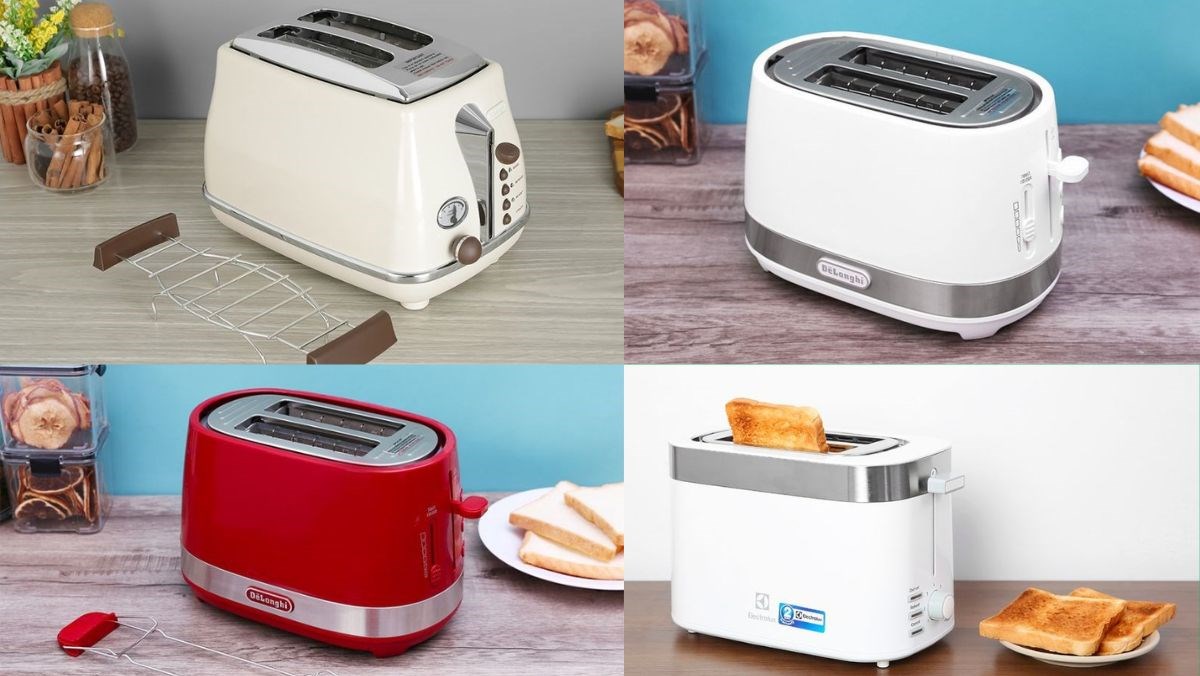
10. Keep Wooden Objects Away From the Slots
Wood can burn when exposed to sufficiently high temperatures.
Don't use:
-
Wooden chopsticks
-
Wooden spoons
-
Wooden skewers
to retrieve food from inside a toaster.
If something is stuck, unplug the appliance and follow its cleaning and maintenance instructions.
11. Don't Toast Food Wrapped in Aluminum Foil Unless the Manufacturer Explicitly Allows It
Aluminum foil is not something to casually insert into a standard toaster.
Depending on the design of the appliance, foil can interfere with heating elements and potentially create electrical or overheating hazards.
If you want to wrap food in foil, use an appliance specifically designed for that cooking method and follow its instructions.
12. Be Careful With Oversized Bread
Bread should fit comfortably inside the toaster slots.
If a slice is too large, forcing it into the slot can:
-
Block the mechanism
-
Prevent proper heat circulation
-
Make the bread difficult to remove
-
Increase the chance of burning
Don't push oversized food into a toaster simply because you want to make it fit.
Use a toaster oven or another suitable appliance instead.
13. Don't Put Multiple Layers of Bread Together
Trying to toast several thin pieces as one oversized stack can interfere with the toaster's operation.
The food may not toast evenly, and it may become lodged.
Use the toaster according to its intended capacity.
14. Don't Put Food on Top of the Toaster While It's Operating
Some people place items on top of a toaster because the surface seems convenient.
But the toaster can become warm during operation.
Avoid placing:
-
Plastic containers
-
Paper towels
-
Kitchen cloths
-
Food packaging
-
Wooden utensils
on or directly beside a hot toaster.
Keep the area around the appliance clear.
15. Don't Use a Toaster Near Water
This may sound obvious, but kitchen counters can become wet surprisingly easily.
Keep the toaster away from:
-
Sinks
-
Wet countertops
-
Splashing water
-
Damp towels
Never operate an electrical appliance with wet hands if doing so could expose you to an electrical hazard.
16. Never Use a Toaster With a Damaged Cord
Inspect the power cord periodically.
Look for:
-
Cracks
-
Fraying
-
Exposed wires
-
Melted insulation
-
Burn marks
A damaged cord can increase the risk of electrical shock or fire.
If you notice damage, stop using the toaster and have it properly repaired or replaced.
17. Don't Ignore a Burning Smell
A slight smell from a new appliance may sometimes occur during initial use, depending on the manufacturer's instructions.
But a persistent or sudden burning smell is different.
If your toaster smells like:
-
Burnt plastic
-
Electrical insulation
-
Burning wires
-
Extremely charred food
stop using it.
Unplug it safely and allow it to cool.
If the problem continues, replace the appliance or have it professionally inspected.
18. Don't Keep Using a Toaster That Sparks
Small electrical sparks should not be dismissed.
If you see unusual:
-
Sparks
-
Arcing
-
Flashing
-
Smoke
stop using the appliance.
Disconnect power if it is safe to do so and allow it to cool.
A toaster that repeatedly sparks may have a damaged heating element, electrical fault, or another problem requiring attention.
19. Clean the Crumb Tray Regularly
One of the easiest toaster safety habits is also one of the most overlooked.
Crumbs accumulate naturally inside a toaster.
If too much debris builds up, it can burn when the toaster operates.
Over time, this can contribute to:
-
Smoke
-
Burning odors
-
Excessive heat
-
Potential fire hazards
Many toasters have a removable crumb tray.
Cleaning routine
-
Unplug the toaster.
-
Allow it to cool completely.
-
Remove the crumb tray.
-
Empty it.
-
Clean according to the manufacturer's instructions.
-
Reinstall it properly.
Don't clean a toaster while it's connected to power.
20. Don't Shake or Turn a Plugged-In Toaster Upside Down
If you want to remove crumbs, you might be tempted to shake the appliance.
Don't do this while it's plugged in.
Unplug it first.
Also avoid aggressively hitting or shaking the toaster because this can damage internal components.
Follow the manufacturer's cleaning instructions instead.
21. Keep Children Away From the Toaster
Toasters are particularly interesting to young children because they are simple to operate.
But children may not understand the electrical hazards involved.
Teach children:
-
Never put objects into toaster slots.
-
Never touch the heating elements.
-
Never insert utensils into the appliance.
-
Ask an adult for help if something gets stuck.
Supervise young children around hot appliances.
22. Don't Leave a Toaster Running Unattended
A toaster usually operates for only a few minutes, so there's little reason to walk away while it's working.
Stay nearby.
If something starts smoking excessively or catches fire, you'll be in a better position to respond quickly.
This is especially important when using unfamiliar appliances or unusual food products.
23. What If Something Catches Fire Inside the Toaster?
Don't panic.
The first priority is to disconnect the power if it is safe to do so.
Do not pour water into a toaster.
Water and electricity are a dangerous combination.
If a fire cannot be safely controlled immediately, evacuate the area and contact emergency services.
Never put yourself at risk trying to save an appliance.
24. Why Water Is Especially Dangerous
If a toaster catches fire, pouring water over it may seem like an obvious response.
But because the appliance is electrical, water can create an electrical shock hazard.
Instead:
Cut the power safely if possible.
If the fire continues or spreads, use the appropriate fire-extinguishing method recommended for energized electrical equipment and local safety guidance, or leave the area and call emergency services.
25. Use the Right Appliance for the Right Food
A major theme behind toaster safety is simple:
Not every food belongs in a toaster.
Use:
Pop-up toaster
For appropriately sized slices of bread and products specifically labeled for toaster use.
Toaster oven
For foods requiring more space or toppings.
Conventional oven
For larger foods, casseroles, and items requiring controlled baking.
Microwave
For foods specifically suitable for microwave heating.
Using the correct appliance reduces the temptation to improvise.

Common Toaster Mistakes
Mistake 1: Using a fork to remove stuck bread
Avoid it.
Unplug the toaster first.
Mistake 2: Putting cheese directly into the slots
Melted cheese can drip onto heating elements.
Mistake 3: Using a toaster near the sink
Water and electricity are a dangerous combination.
Mistake 4: Ignoring crumbs
Accumulated crumbs can burn.
Mistake 5: Covering the toaster
Heat needs to dissipate.
Mistake 6: Using damaged cords
Replace damaged appliances or have them properly repaired.
Mistake 7: Assuming every pastry is toaster-safe
Check the packaging instructions.
A Simple Toaster Safety Checklist
Before using your toaster, ask:
Is the appliance clean?
Remove accumulated crumbs according to the manufacturer's instructions.
Is the cord intact?
Don't use a damaged cord.
Is the toaster dry?
Keep it away from water.
Is the food designed for toaster use?
Check the packaging if you're uncertain.
Is anything covering the appliance?
Keep the area clear.
Is the toaster stable?
Place it on a stable, heat-resistant surface.
Are children supervised?
Keep young children away from the appliance.
The Bottom Line
A toaster is convenient, but it shouldn't be treated like a miniature oven for every type of food.
Avoid putting metal utensils, plastic, paper, cardboard, excessive butter or oil, loose cheese, liquid-filled foods, and unsuitable pastries into a standard pop-up toaster.
Always check product instructions before putting specialty foods into the appliance.
More importantly, never insert a fork, knife, or other metal object into a plugged-in toaster. If something gets stuck, unplug the appliance and allow it to cool before attempting to remove it.
Keep the toaster dry, clean the crumb tray regularly, inspect the power cord, and replace appliances that show signs of electrical damage.
Final Thoughts
The toaster may be one of the simplest appliances in your kitchen, but simplicity doesn't mean you can safely improvise with it.
A few everyday habits can make a significant difference:
Use the toaster only for foods it is designed to handle. Keep liquids, plastic, paper, and loose metal objects away from it. Clean the crumbs regularly. Never reach into a plugged-in toaster. And never pour water onto an electrical appliance that is on fire.
Most importantly, don't ignore warning signs such as unusual sparks, smoke, burning odors, damaged cords, or excessive heat.
A piece of toast should take only a few minutes.
Those few minutes aren't worth taking unnecessary risks with electricity and heat.