One of the most dangerous aspects of a stroke is that its symptoms often appear suddenly. Someone may be talking normally one moment and then struggle to form a sentence a few seconds later. Another person may suddenly lose their balance, experience blurred vision, or develop an unusually severe headache.
These changes should never be dismissed as ordinary tiredness, stress, or simply getting older.
A stroke occurs when blood flow to part of the brain is interrupted by a blocked blood vessel or when a blood vessel in or around the brain ruptures. Brain cells depend on a continuous supply of oxygen and nutrients. When that supply is disrupted, brain tissue can begin to suffer damage very quickly.
The symptoms depend on which part of the brain is affected. This is why two people experiencing a stroke may show very different warning signs.
Recognizing these symptoms early can make a critical difference. The following are seven warning signs everyone should know, including symptoms that may be less familiar than numbness in the hands and feet.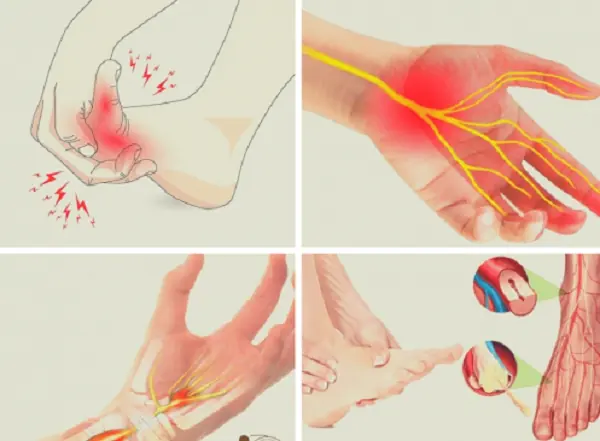
1. Sudden Loss of Balance or Coordination
One warning sign that people may overlook is a sudden problem with balance or coordination.
A person experiencing a stroke may suddenly feel unsteady while standing or walking. They might stumble, lean to one side, or find it difficult to control their movements. Some people describe the sensation as feeling as though the floor is moving beneath them.
This can happen when a stroke affects areas of the brain responsible for balance, movement, and coordination.
For example, someone who normally walks without difficulty may suddenly struggle to take a few steps. They may appear unusually clumsy, bump into furniture, or need to hold onto a wall to avoid falling.
In some cases, the person may experience sudden dizziness or feel as though the room is spinning. However, dizziness alone does not necessarily mean someone is having a stroke. It can have many other causes, including inner-ear problems, dehydration, and medication effects.
What makes this symptom particularly concerning is its sudden appearance, especially when accompanied by other neurological changes.
Pay attention if someone suddenly develops difficulty walking, loses coordination, or cannot maintain their balance without an obvious explanation.
Do not assume they are simply tired or having a moment of weakness. If these symptoms appear suddenly, seek emergency medical assistance immediately.
2. Sudden Changes in Vision
A stroke can also affect the parts of the brain responsible for processing visual information.
Some people experience sudden blurred vision, while others may temporarily lose sight in one eye or both eyes. Double vision is another possible warning sign. A person may suddenly see two images of the same object or have difficulty focusing on something directly in front of them.
These changes can be particularly frightening because they may occur without pain.
Imagine someone reading a message on their phone when the words suddenly become unclear. They may blink repeatedly, rub their eyes, or move the phone closer, assuming that their eyesight is simply tired.
Another person may notice that part of their visual field has disappeared. They might fail to see objects on one side or have difficulty judging distances.
Vision problems associated with a stroke can occur when the affected brain region is involved in processing sight or coordinating eye movements.
Although blurred vision can result from many conditions, sudden unexplained changes should never be ignored.
If someone suddenly loses vision, develops double vision, or experiences an unusual visual disturbance, especially alongside dizziness, weakness, or difficulty speaking, emergency evaluation is essential.
Waiting to see whether eyesight returns to normal can be dangerous. Even if the visual symptoms disappear, they may have been caused by a temporary interruption of blood flow to the brain.
3. One Side of the Face Suddenly Droops
A change in facial appearance is one of the most recognizable signs of a stroke, but not everyone knows how to identify it.
When a stroke affects the brain pathways responsible for controlling facial muscles, one side of the face may become weak. The person's smile may look uneven, one corner of the mouth may droop, or they may have difficulty closing one eye normally.