Coconut water has earned a reputation as one of the healthiest natural drinks available. It is refreshing, naturally sweet, and contains electrolytes such as potassium and sodium. After exercise, on a hot day, or simply as an alternative to sugary soft drinks, coconut water can be a convenient choice.
But there is an important point that often gets lost in the health hype:
A drink can be nutritious and still not be ideal for everyone.
For most healthy adults, moderate amounts of coconut water are generally safe. However, people with certain medical conditions - or those who drink large quantities may need to be more careful.
So before treating coconut water as an unlimited “health drink,” it is worth understanding what it contains, who may need to limit it, and when ordinary water may actually be the better choice.

What Makes Coconut Water Different?
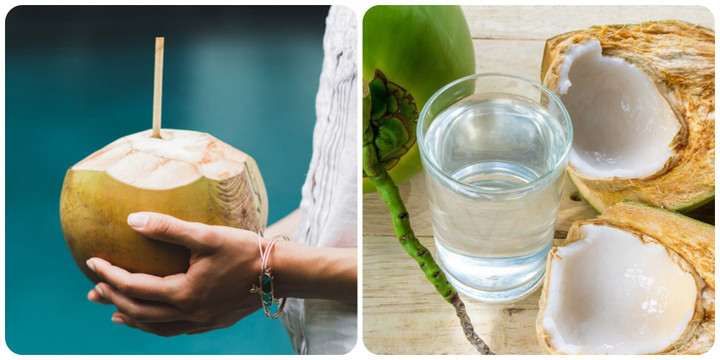
Coconut water is the clear liquid found inside young, green coconuts.
It should not be confused with coconut milk, which is made by processing coconut flesh and generally contains considerably more fat and calories.
Coconut water contains water along with naturally occurring electrolytes and carbohydrates. One of its most notable nutrients is potassium.
Potassium plays an important role in:
-
Muscle contraction
-
Nerve signaling
-
Fluid balance
-
Normal heart function
-
Maintaining the body's electrolyte balance
Coconut water also contains smaller amounts of other minerals and nutrients.
That nutritional profile explains why it is often marketed as a natural alternative to commercial sports drinks.
But potassium is also the reason some people should be cautious.
1. Too Much Coconut Water Can Mean Too Much Potassium
For healthy kidneys, the body generally does a good job of regulating potassium.
The kidneys remove excess potassium from the bloodstream through urine.
But when kidney function is significantly impaired, the body may have difficulty getting rid of excess potassium.
This can lead to hyperkalemia, meaning an abnormally high potassium level in the blood.
Severe hyperkalemia can affect the electrical activity of the heart and become a medical emergency.
That doesn't mean a person with kidney disease can never drink coconut water.
It means the appropriate amount depends on their kidney function, blood potassium level, medications and overall diet.
If you have chronic kidney disease or have previously been told that your potassium is high, talk with your healthcare professional before making coconut water a regular part of your diet.
2. People Taking Certain Medications May Need Extra Caution
Some medications can increase potassium levels.
For example, certain drugs used to treat high blood pressure or heart conditions can affect how the body handles potassium.
These include some ACE inhibitors, angiotensin receptor blockers (ARBs), and potassium-sparing diuretics.
Not everyone taking these medications will develop high potassium.
However, combining several potassium-raising factors can increase the risk.
If you regularly drink large amounts of coconut water and take medications that can raise potassium, it is worth discussing your diet with your doctor or pharmacist.
Don't stop prescribed medication simply because you are concerned about potassium.
Instead, ask whether your current diet and medication combination require monitoring.
3. Coconut Water Still Contains Calories and Natural Sugar
Because coconut water is natural, some people assume that it contains no meaningful amount of sugar.
That's not quite right.
Coconut water contains naturally occurring carbohydrates and sugars.
The exact amount varies by coconut, brand and serving size.
Plain coconut water generally contains much less sugar than many sodas and sweetened beverages, but “natural sugar” is still sugar from the perspective of carbohydrate intake.
For most people, this isn't a major problem when consumed in reasonable portions.
But people who carefully manage blood glucose—particularly those with diabetes—should still consider coconut water as part of their overall carbohydrate intake.
And flavored or sweetened coconut-water products can contain additional sugar.
4. People With Diabetes Should Check the Label
Coconut water can fit into a balanced diet for many people with diabetes.
However, portion size matters.
A large bottle can contain substantially more carbohydrates than a small serving.
Some commercial products also contain added sugars, fruit juice or other sweeteners.
If you have diabetes, look at the nutrition label and consider:
-
Total carbohydrate
-
Added sugar
-
Serving size
-
Calories
A product that appears to be a single bottle may actually contain multiple servings.
That can make it surprisingly easy to consume more carbohydrate than intended.
5. Coconut Water Is Not a Miracle “Detox” Drink
Another popular claim is that coconut water can “flush toxins” from the body.
There is little reason to think of it this way.
Your kidneys and liver perform important roles in processing and eliminating waste products.
Coconut water provides fluid and electrolytes, but it does not magically cleanse the body of accumulated toxins.
If you're dehydrated, drinking coconut water can contribute to rehydration.
But that is different from “detoxifying” the body.
In many everyday situations, plain water is completely adequate for hydration.
6. More Electrolytes Aren't Always Better
Electrolytes are essential.
But that doesn't mean you should consume as many as possible.
The body maintains electrolyte concentrations within relatively narrow ranges, and both deficiency and excess can cause problems.
For someone who has been sweating heavily after prolonged exercise, electrolytes can be useful.
For someone sitting at a desk all day and eating a normal diet, there may be little need to deliberately consume large quantities of electrolyte beverages.
This is one reason coconut water should be viewed as a food or beverage choice, rather than a medical necessity.
7. It May Not Be the Best Hydration Choice for Every Situation
Coconut water is often promoted as a natural sports drink.
There is some logic behind this because it contains fluid and electrolytes.
However, the best hydration drink depends on the activity.
For ordinary daily hydration, water is generally sufficient.
After short or moderate exercise, most people don't necessarily need a specialized electrolyte beverage.
During prolonged, intense exercise—particularly in extreme heat—athletes may have more specific carbohydrate and electrolyte requirements.
In those circumstances, a sports drink or other formulation may sometimes be more appropriate than coconut water alone.
8. Be Careful With Large Portions
One of the easiest ways to turn a healthy beverage into an unnecessary source of calories or nutrients is simply to drink too much.
Instead of having a moderate serving, someone might drink several large bottles throughout the day because they believe coconut water is inherently healthy.
But even beneficial nutrients have appropriate ranges.
Large quantities can add extra calories and carbohydrates and, depending on the product, a substantial amount of potassium.