Before You Eat Peanuts Every Day, Read What Doctors Have to Say
Doctors Reveal the Benefits—and Risks—of Eating Peanuts Every Day 🥜
Avoid Ginger If You Have These 5 Health Problems
Ginger is widely praised for its powerful health benefits—from aiding digestion to reducing inflammation. But despite its natural reputation, ginger isn’t suitable for everyone. In certain cases, consuming it regularly or in large amounts may do more harm than good.
Here are five health conditions where you should be cautious about using ginger.
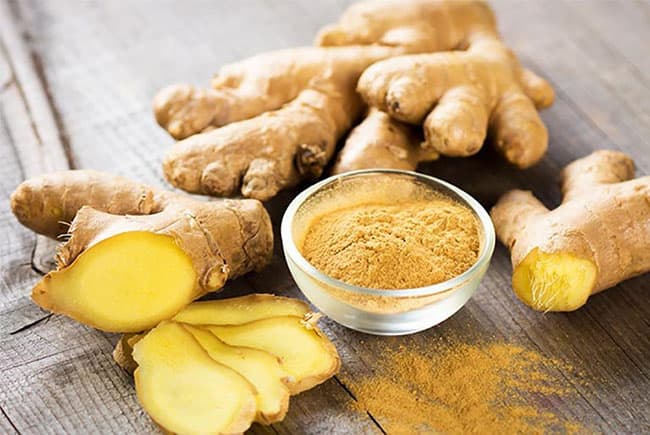
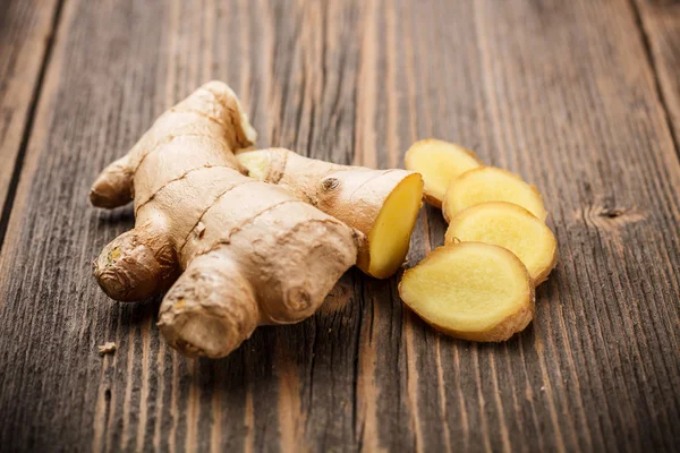
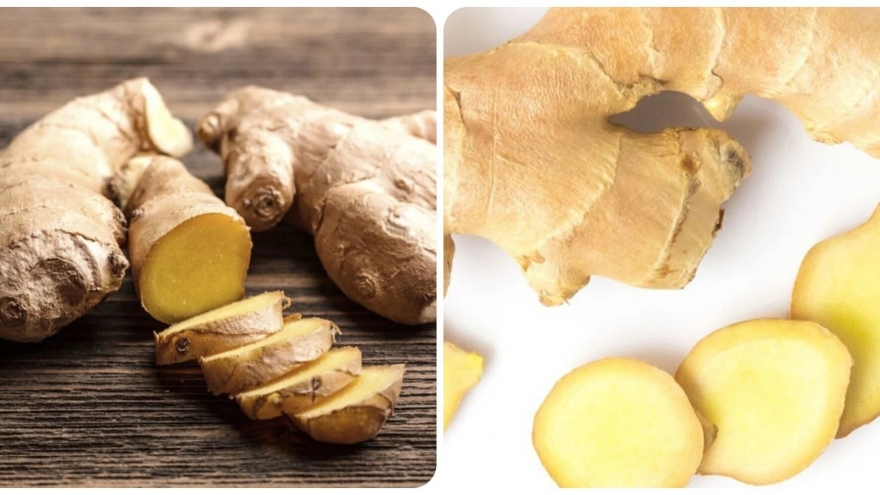
Ginger has natural blood-thinning properties, which can help improve circulation. However, if you have a bleeding disorder or take anticoagulant medications, ginger may increase the risk of excessive bleeding or bruising.
While ginger can help lower high blood pressure, it may be risky for people who already have low blood pressure. Consuming too much ginger could lead to dizziness, fainting, or an irregular heartbeat.

Ginger may lower blood sugar levels, which can be beneficial. However, if you are already taking medication to control diabetes, combining it with ginger might cause your blood sugar to drop too low (hypoglycemia).
Ginger is often used to relieve nausea during pregnancy, but high doses may not be safe. Some experts warn that excessive intake could increase the risk of complications, especially later in pregnancy. It’s best to consult a doctor before using ginger regularly.

Ginger can stimulate bile production, which helps digestion. However, for people with gallstones, this may trigger discomfort or worsen symptoms.
Ginger can be a powerful natural remedy, but it’s not one-size-fits-all. If you have any of the conditions above—or take regular medication—it’s wise to consult a healthcare professional before adding large amounts of ginger to your diet.
As with most things in nutrition, moderation and awareness are key.

Doctors Reveal the Benefits—and Risks—of Eating Peanuts Every Day 🥜

5 Surprising Water-Drinking Mistakes That Could Impact Your Body

This Popular Superfood Can Have Unexpected Effects If Overeaten 🥑👇

Experts Warn: Cloves Have Remarkable Benefits, but Improper Use May Be Risky

Nutrition Experts Explain the Potential Benefits of Daily Avocado Intake 👇

The Surprising Effects of Eating Boiled Eggs in the Morning

The Truth About 4 Chicken Parts Many People Consider Nutritious

The Hidden Benefits of Eating Walnuts Regularly, Explained by Experts

octors Discuss the Surprising Health Effects of Cashews

13 Reasons This Breakfast Combo Deserves a Place on Your Plate

🧄 Why Nutrition Experts Often Recommend Including Garlic in a Balanced Diet 👇

From Your Eyes to Your Heart: How Pumpkin Supports Your Health

People Are Swapping Soda for Coconut Water — These 12 Benefits Explain Why

🍈 This Fruit Has Puzzled Me My Whole Life—Maybe Someone Here Knows the Answer 👇

🚨 Before Your Next Bite, Learn the Hidden Risks of These Popular Foods

What Happens When You Eat 3 Whole Eggs Every Morning? The Answer Isn't What Most People Expect...

Most people overlook chicken feet, but they could be one of the healthiest parts of the chicken. Here's why you may not need to

🍳 One Breakfast Habit That Could Have a Bigger Impact on Your Health Than You Think

Peanuts Are Popular Worldwide—But They’re Not Ideal for Everyone

What Happens When You Start Eating Beets More Often? 👇

Why Is There Always a Strip of Fabric at the Foot of a Hotel Bed? Here's the Answer

Walnuts May Support Your Heart, Brain, and More—Here's How 👇

You’ve Probably Eaten This Before—But Do You Know the Full Story? 👇

A 54-Year-Old Man Suddenly Suffers a Stroke With Critically High Blood Pressure — Doctors Urgently Warn: “Stop Drinking That Immediately!”

A 54-Year-Old Man Suddenly Suffers a Stroke With Critically High Blood Pressure — Doctors Urgently Warn: “Stop Drinking That Immediately!”

Watercress is also known as watercress, watercress, watercress..., with the scientific name: Nasturtium officinale or Nasturtium microphyllum, is a type of aquatic or semi-aquatic plant with a pungent, spicy smell.

Watercress is also known as watercress, watercress, watercress..., with the scientific name: Nasturtium officinale or Nasturtium microphyllum, is a type of aquatic or semi-aquatic plant with a pungent, spicy smell.

Hydrogen Peroxide May Not Be the Safe Solution You Think for Skin Tags and Warts

That headline is built to shock. It suggests a single shared food caused cancer across a family. That’s not how thyroid cancer works in real life.

That headline is built to shock. It suggests a single shared food caused cancer across a family. That’s not how thyroid cancer works in real life.

Liver failure is a serious medical condition that can develop gradually or suddenly and requires timely diagnosis and treatment to prevent life-threatening complications.

Liver failure is a serious medical condition that can develop gradually or suddenly and requires timely diagnosis and treatment to prevent life-threatening complications.

The Importance of Beans in Controlling Diabetes.

The Importance of Beans in Controlling Diabetes.


What Are Those Tiny White Spots on Your Skin? Experts Finally Explain


What Lym.phoma Survivors Say They Felt Before Being Diagnosed: 6 Key Signs