Health 24/03/2026 22:49

Think It’s Harmless? Bathing After Eating May Be Risky: 3 Post-Meal Habits to Avoid

Think It’s Harmless? Bathing After Eating May Be Risky: 3 Post-Meal Habits to Avoid

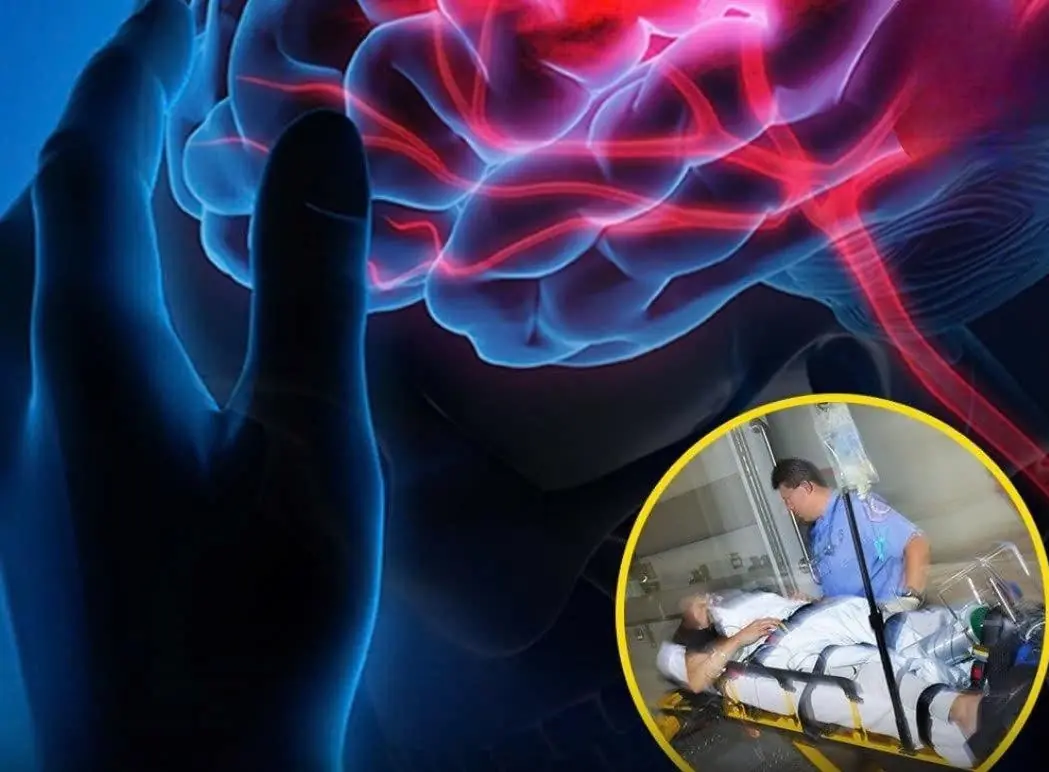
Man Suffers a Stroke from Bathing After a Meal: 3 Things You Should Never Do


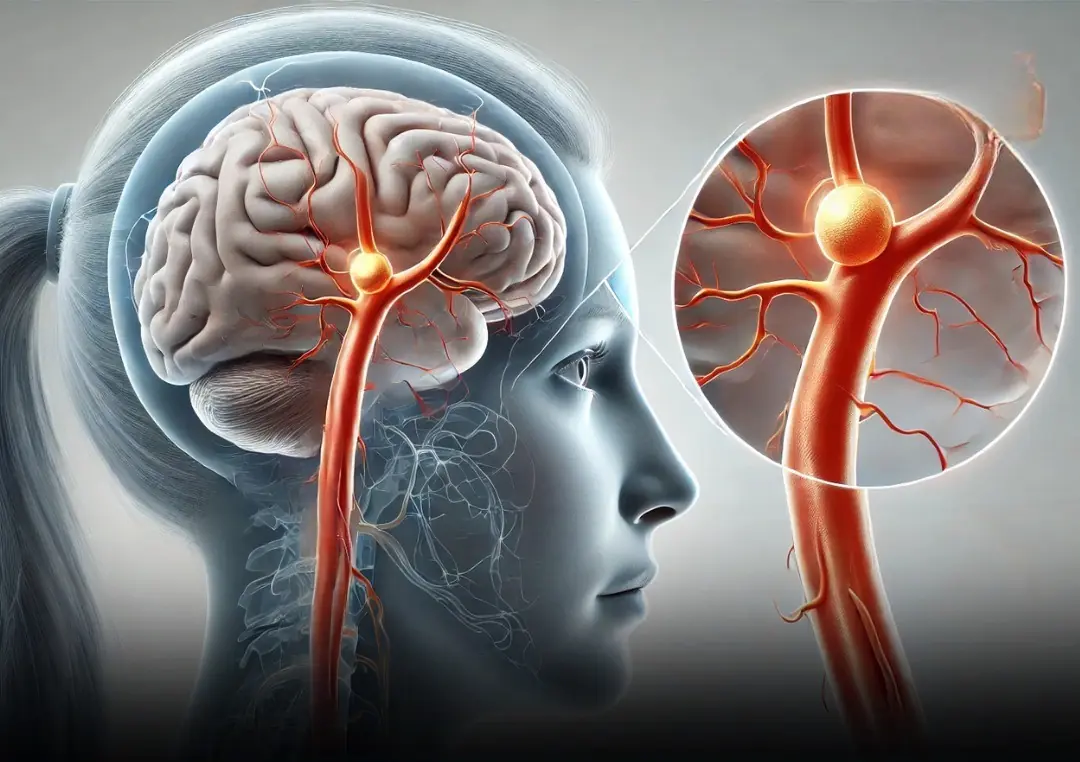
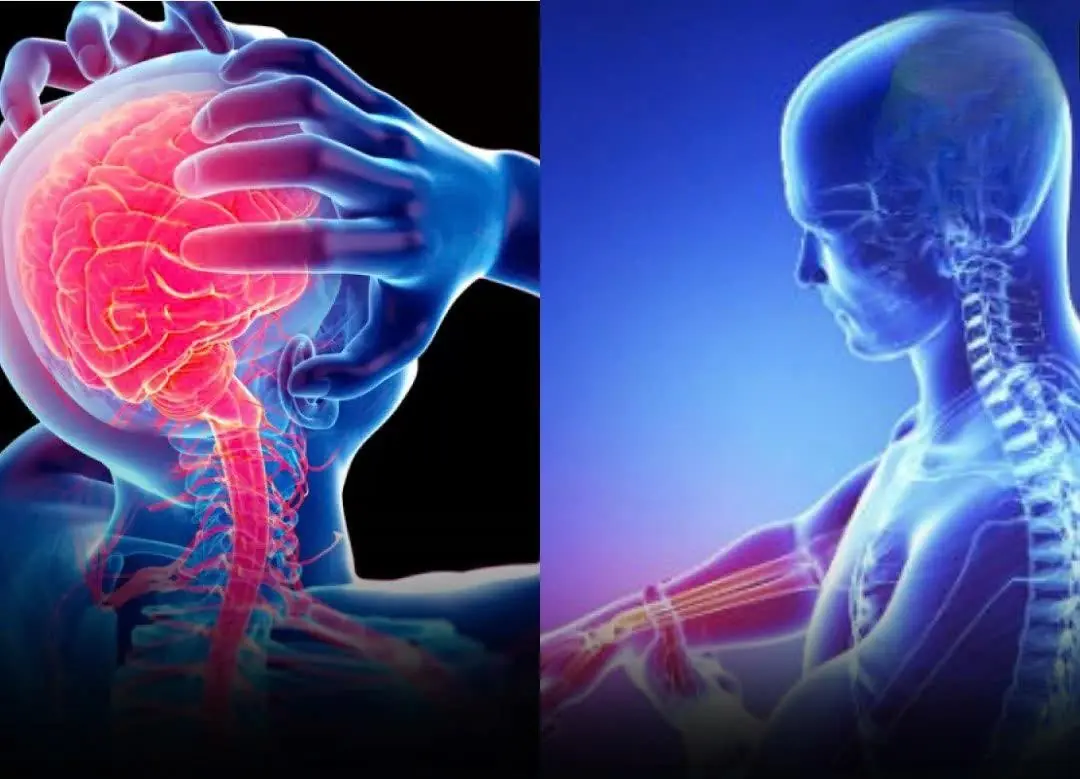
In today’s fast-paced world, many people overlook small daily habits that may quietly affect their health. One such habit—taking a shower immediately after eating—might seem harmless, even refreshing. However, recent discussions and anecdotal reports have raised concerns about whether this routine could have unintended consequences, including increasing the risk of serious conditions like stroke.

Let’s break this down clearly and realistically, separating facts from exaggeration, and understanding what truly matters for protecting your health.


Why Bathing Right After Eating Can Be Risky

https://cms.buzzrx.com/globalassets/buzzrx/blogs/are-there-cold-shower-benefits-for-your-body.png
https://cdn.prod.website-files.com/656650607cf86790e17d544b/65942ed1153b1371d60c7fac_17074291_1613228876S5Ecardiac_output.webp
https://media4.s-nbcnews.com/i/streams/2012/October/121012/1C4262645-g-hth-110701-bubble-bath-2p.jpg
4

After eating, your body shifts into digestion mode. Blood flow is redirected toward the stomach and intestines to help break down food and absorb nutrients efficiently. This is a natural physiological response controlled by the autonomic nervous system.

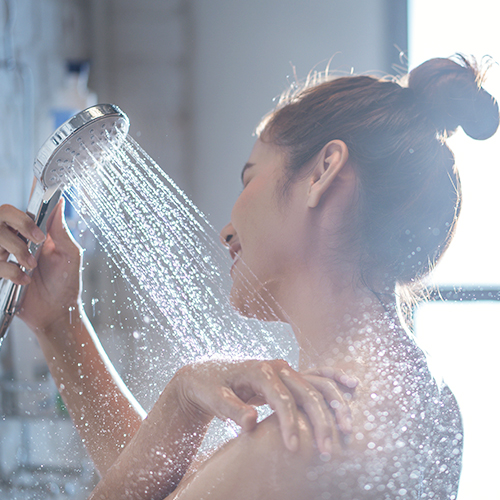
When you take a shower—especially a hot shower—right after a meal, your body undergoes another shift:

  • Blood vessels near the skin dilate (expand)
  • Blood is redirected toward the surface of the body
  • Core circulation dynamics temporarily change

This creates a competition for blood flow between the digestive system and the skin. While the body can usually handle this adjustment, it may cause:

  • Slower digestion
  • Temporary dizziness or fatigue
  • Fluctuations in blood pressure

For most healthy individuals, this won’t directly cause a stroke. However, for people with underlying cardiovascular issues, it could act as a triggering factor.


Can It Really Lead to a Stroke?

Let’s be real: bathing after eating does not directly cause a stroke in healthy people.

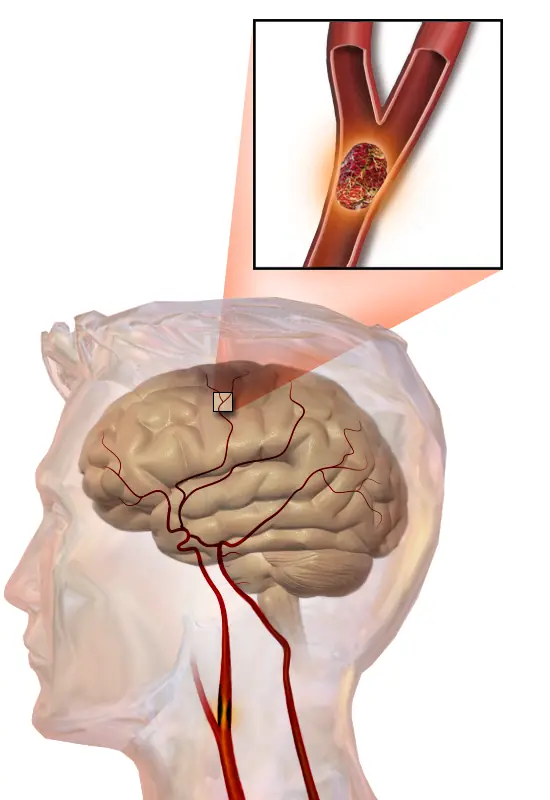
A stroke typically occurs due to:

  • Blocked blood flow (ischemic stroke)
  • Ruptured blood vessels (hemorrhagic stroke)

However, certain conditions increase risk:

  • High blood pressure
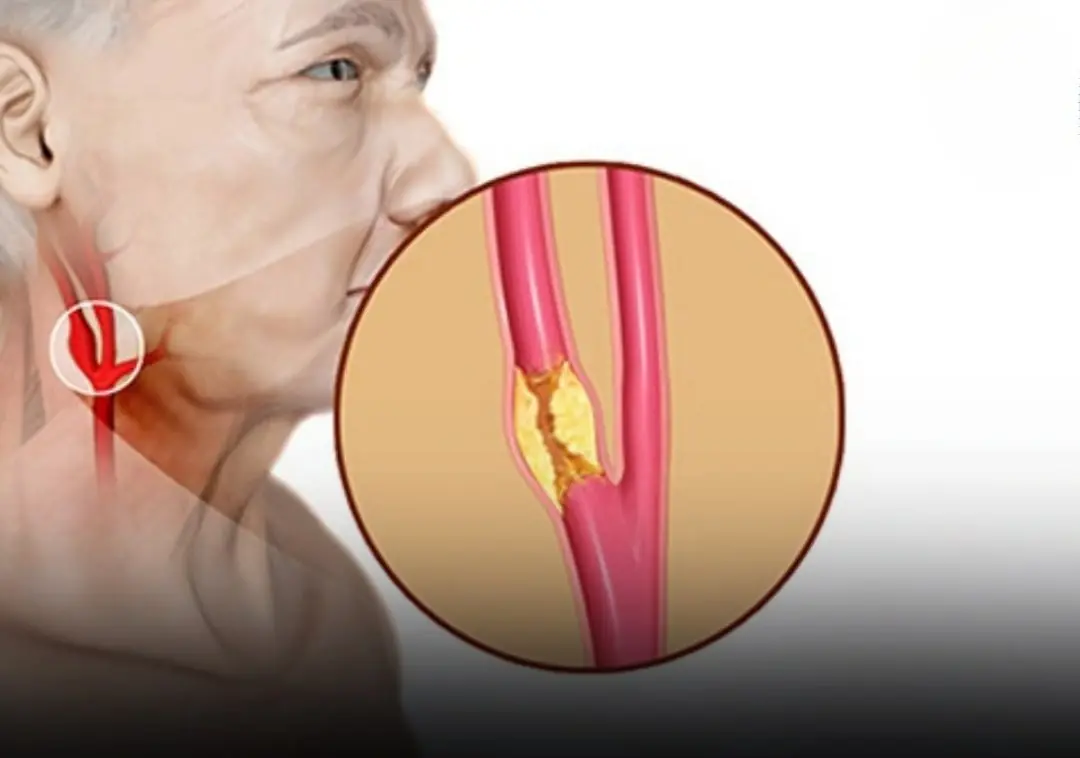
  • Atherosclerosis
  • Heart disease
  • Diabetes

In these cases, sudden changes in circulation—like those caused by hot showers—could increase strain on the cardiovascular system.

So the connection is indirect:

Not the shower itself → but how your body responds under specific conditions.


3 Things You Should Never Do Right After a Meal


1. Don’t Shower Immediately

https://cdn.shopify.com/s/files/1/0917/8903/3806/files/C5DE47F6-223B-4C7F-8E65-8D02792B87FB.jpg?v=1753864346
https://elements-resized.envatousercontent.com/elements-video-cover-images/files/25958d12-9041-4827-b007-f7fc7463d5c7/inline_image_preview.jpg?cf_fit=cover&format=auto&q=85&s=7fbf6b71fe0b6b07a95c54a4042646523800d5689415fed476bbfe28ef278944&w=500
https://www.racold.com/sites/default/files/2022-03/500x500_2.jpg
4

As explained earlier, showering right after eating may disrupt blood flow and digestion.

Better approach:

  • Wait at least 30–60 minutes after eating
  • Choose lukewarm water instead of very hot water

This allows your body to complete the initial digestion phase before introducing additional physiological stress.


2. Don’t Exercise Intensely

https://www.verywellfit.com/thmb/cK6LNyUYSPQfMOdpqwjW1jdGR_A%3D/1500x0/filters%3Ano_upscale%28%29%3Amax_bytes%28150000%29%3Astrip_icc%28%29/avoid-stomach-cramps-when-running-4179039-v1-5c3b966dc9e77c00010a98b8.png
https://www.dmoose.com/cdn/shop/articles/feature-image_1_649b29b9-3f8e-4e12-8af6-c217194dea3f.jpg?v=1684769543
https://cdn.prod.website-files.com/656650607cf86790e17d544b/65942ed1153b1371d60c7fac_17074291_1613228876S5Ecardiac_output.webp
4

Jumping into a workout right after eating is another common mistake.

When you exercise:

  • Blood is redirected to muscles
  • Digestive activity slows down
  • You may experience cramps or nausea

In extreme cases, especially in individuals with heart conditions, this could lead to:

  • Irregular heart rhythm
  • Sudden blood pressure changes

Better approach:

  • Light walking is fine after meals
  • Wait 1–2 hours before intense workouts

3. Don’t Lie Down Immediately

https://bhq-cms.sgp1.digitaloceanspaces.com/uploads/2024/09/%E0%B8%A0%E0%B8%B2%E0%B8%9E%E0%B8%9B%E0%B8%A3%E0%B8%B0%E0%B8%81%E0%B8%AD%E0%B8%9A_BGH_shutterstock_2400301227.jpg
https://ghost-cms.s3.ap-south-1.amazonaws.com/2025/04/What-Happens-When-You-Sleep-After-Eating_the-wellness-corner.jpg
https://my.clevelandclinic.org/-/scassets/images/org/health/articles/17019-gerd-chronic-acid-reflux
4

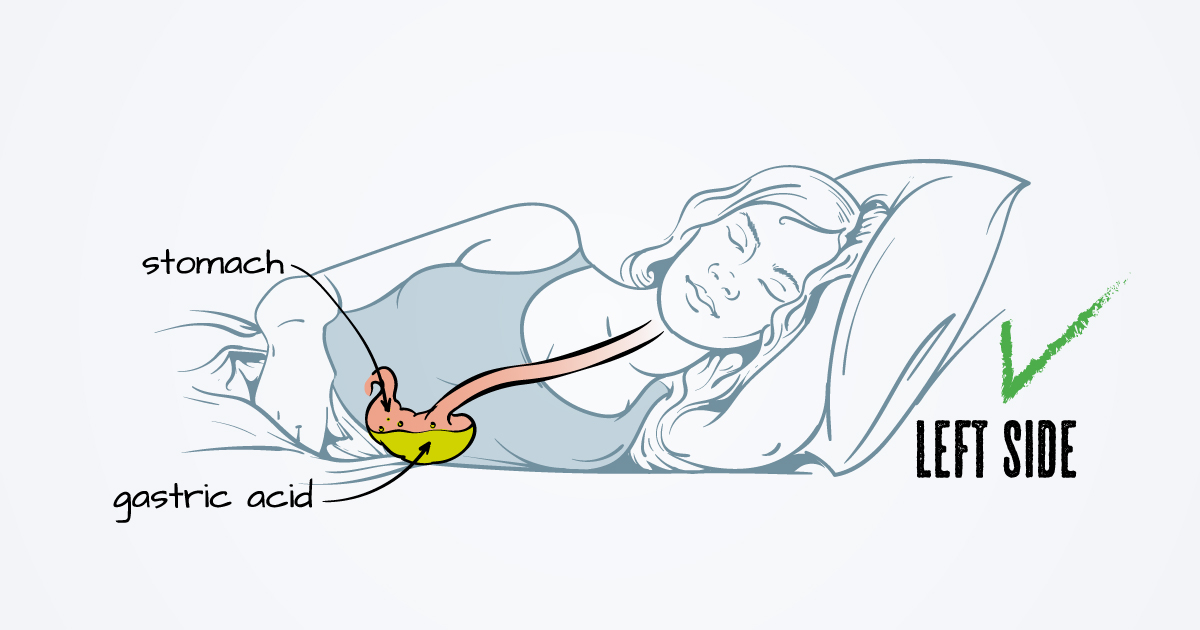
Lying down right after eating might feel comfortable, but it can lead to:

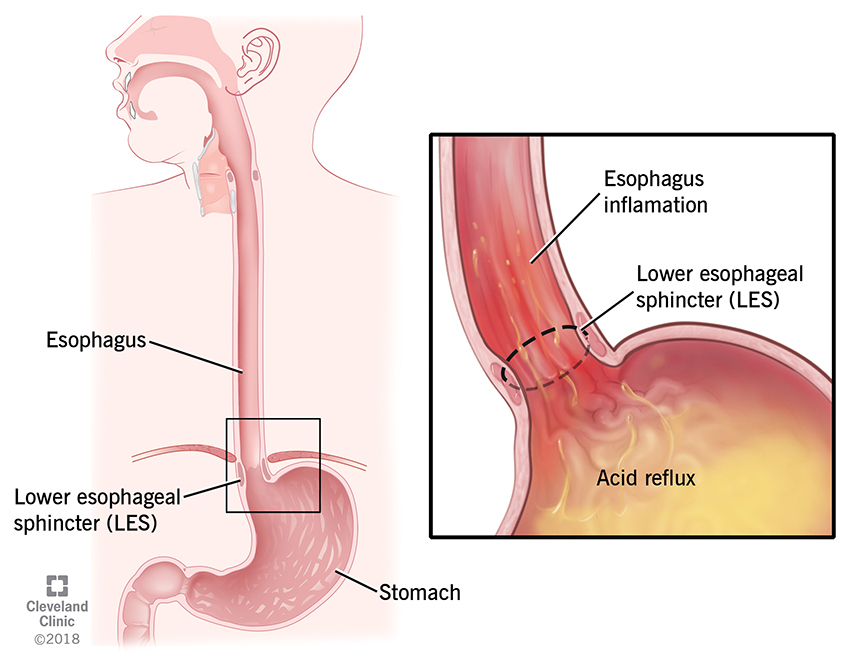
  • Acid reflux
  • Indigestion
  • Poor nutrient absorption

Gravity plays an important role in digestion. When you lie flat:

  • Stomach acid can move upward
  • Esophageal irritation may occur

Over time, this habit increases the risk of chronic digestive issues.

Better approach:

  • Stay upright for at least 30 minutes
  • Sit or walk gently instead

Understanding the Bigger Picture

The idea that “a shower after eating causes stroke” is over-sensationalized, but it highlights an important truth:

Your body is highly sensitive to timing and balance.

Small habits, when repeated daily, can either support or harm your health.

What really matters is:

  • Maintaining stable blood circulation
  • Supporting efficient digestion
  • Avoiding sudden physiological stress

Who Should Be Extra Careful?

Certain individuals should take this more seriously:

  • People with high blood pressure
  • Those with a history of stroke or heart disease
  • Elderly individuals
  • People with diabetes or poor circulation

For these groups, even minor disruptions can have amplified effects.


Healthy Post-Meal Habits to Follow

Instead of risky behaviors, try these:

  • Take a slow walk (5–10 minutes)
  • Sit upright and relax
  • Drink warm water in small amounts
  • Avoid tight clothing around the abdomen

These habits support digestion without stressing the body.


Final Thoughts

The human body operates like a finely tuned system. After eating, it prioritizes digestion—something as simple as jumping into a hot shower can temporarily shift that balance.

While the risk of stroke from bathing after a meal is not direct or common, the underlying message is clear:

Timing matters. Moderation matters. Awareness matters.

Avoiding these three habits—showering immediately, exercising intensely, and lying down right after eating—can help maintain better digestion, stable circulation, and overall long-term health.

Sometimes, the difference between staying healthy and facing complications lies in the smallest daily decisions.

News in the same category

News Post