Water Chestnuts and Hidden Risks: What You Should Really Know
Water chestnuts are a popular ingredient in many Asian dishes, loved for their crisp texture and subtle sweetness. Whether tossed into stir-fries, added to soups, or enjoyed in salads, they bring a refreshing crunch that few other vegetables can match. Despite their appeal, water chestnuts are not entirely risk-free. Like many fresh foods, they come with certain hidden concerns that are often overlooked.
What Are Water Chestnuts?
Water chestnuts are aquatic vegetables that grow in marshes, ponds, and shallow lakes. Unlike tree nuts, they are actually the corm of a plant, making them suitable for people with nut allergies. They are low in calories, rich in fiber, and contain essential nutrients such as potassium, vitamin B6, and antioxidants.
The Hidden Risks Behind Water Chestnuts
While generally safe to eat, water chestnuts can pose health risks if not handled or prepared properly.
1. Parasite Contamination
One of the most significant concerns is the potential presence of parasites. Because water chestnuts grow in muddy, stagnant water, they can harbor harmful organisms, including parasites that may cause intestinal infections if consumed raw or undercooked.
2. Bacterial Exposure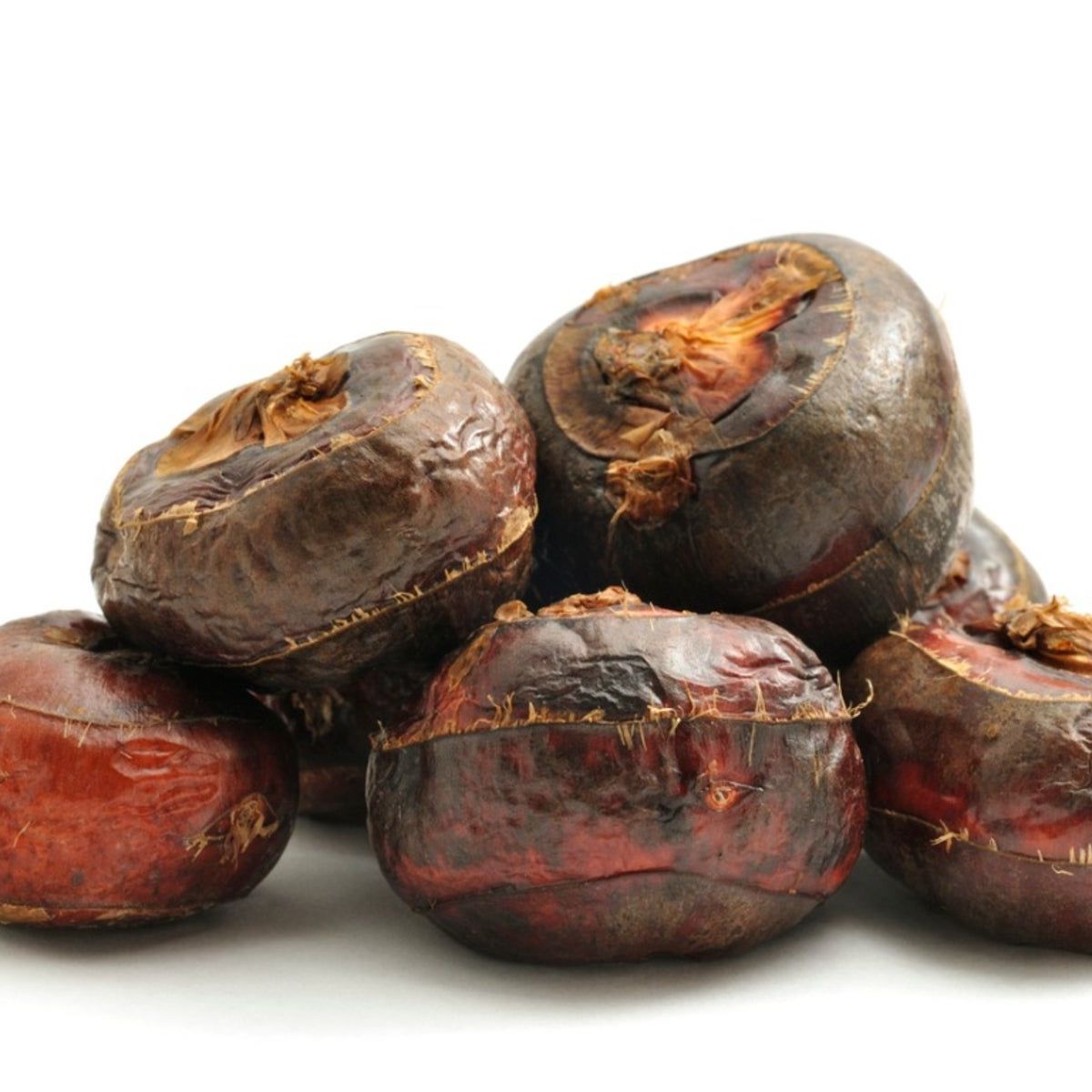
Like many fresh produce items, water chestnuts can carry bacteria from contaminated water sources. Improper washing or peeling increases the risk of ingesting harmful microbes that may lead to foodborne illness.
3. Chemical Pollution
In some regions, water sources may be polluted with pesticides, heavy metals, or industrial waste. Water chestnuts grown in such environments can absorb these contaminants, posing long-term health risks if consumed frequently.
4. Allergic Reactions (Rare but Possible)
Although uncommon, some individuals may experience allergic reactions to water chestnuts. Symptoms can include itching, swelling, or digestive discomfort.
How to Enjoy Water Chestnuts Safely
Fortunately, these risks can be minimized with proper precautions:
- Always cook thoroughly: Heat kills most parasites and harmful bacteria.
- Peel before eating: The outer skin can carry contaminants.
- Wash carefully: Rinse thoroughly under clean running water.
- Buy from reliable sources: Choose trusted markets or brands with good quality control.
- Avoid eating raw water chestnuts: This significantly reduces the risk of infection.
Balancing Benefits and Risks
Water chestnuts offer many nutritional benefits and can be a healthy addition to your diet when prepared safely. The key is awareness. By understanding the potential risks and taking simple preventive steps, you can continue to enjoy their unique texture and flavor without unnecessary concern.
Conclusion
Water chestnuts are a delicious and versatile ingredient, but like any food grown in natural environments, they require proper handling. Being informed about their hidden risks doesn’t mean avoiding them altogether—it simply means making smarter choices. With the right preparation, water chestnuts can remain both safe and satisfying on your plate.