Pancreatic cancer is one of the most difficult cancers to recognize in its early stages. The pancreas is located deep inside the abdomen, and early tumors may not cause obvious symptoms. When symptoms do appear, they can resemble much more common digestive or metabolic problems.
That is why some people may feel generally healthy while subtle changes are developing in the background.
This does not mean that experiencing one of these symptoms means you have pancreatic cancer. Most of them have many more common explanations. The important point is to recognize symptoms that are persistent, unexplained, worsening, or occurring together.
Here are 11 warning signs worth knowing.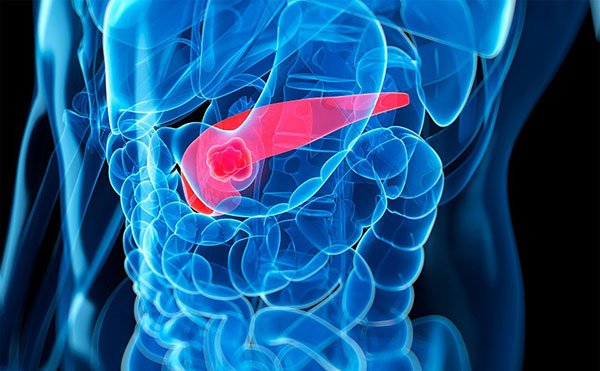
1. Unexplained Weight Loss
One of the more concerning changes is losing weight without intentionally changing your diet or exercise routine.
Pancreatic cancer can affect digestion and metabolism, potentially causing a person to lose weight even when they are not trying to.
Reduced appetite, nausea, digestive problems, and difficulty absorbing nutrients can also contribute.
However, unexplained weight loss has many possible causes, including thyroid disease, diabetes, gastrointestinal disorders, infections, stress, and other cancers.
If weight loss continues without an obvious explanation, it deserves medical evaluation rather than being dismissed as simply "losing a few pounds."
2. Persistent Loss of Appetite
A sudden or ongoing reduction in appetite can sometimes accompany pancreatic cancer.
Food may become less appealing, or you may feel full after eating only a small amount.
Changes in appetite are extremely common and can result from infections, medications, stress, depression, digestive problems, and other conditions.
The concern becomes greater when appetite loss is persistent and accompanied by unexplained weight loss, abdominal discomfort, jaundice, or changes in digestion.
3. Abdominal Pain
Pain or discomfort in the upper abdomen can occur with pancreatic cancer.
Because the pancreas sits deep in the abdomen, the discomfort may feel vague rather than sharply localized.
Some people describe a dull ache in the upper abdomen that may extend toward the back.
However, abdominal pain is incredibly common. Indigestion, gallstones, ulcers, pancreatitis, reflux, and many other conditions can cause similar symptoms.
What matters is a pattern that is new, persistent, unexplained, or progressively worsening.
4. Back Pain That Doesn't Go Away
Pain related to pancreatic problems may sometimes be felt in the back.
A person may experience discomfort in the middle or upper back, sometimes together with abdominal pain.
This can be particularly confusing because back pain is so common.
Muscle strain, spinal problems, poor posture, arthritis, and physical activity are much more frequent causes.
But if back pain is persistent and occurs alongside unexplained weight loss, digestive changes, jaundice, or ongoing abdominal pain, medical evaluation becomes especially important.
5. Jaundice or Yellowing of the Skin and Eyes
One of the more recognizable signs associated with pancreatic cancer is jaundice.
Jaundice causes the skin and whites of the eyes to turn yellow.
It can occur when a tumor affects the flow of bile from the liver through the bile duct into the intestine.
Jaundice may also cause:
-
Dark urine
-
Pale or clay-colored stools
-
Generalized itching
Pancreatic cancer is only one possible cause of jaundice. Gallstones, hepatitis, liver disease, and other bile duct problems can also cause it.
Nevertheless, unexplained yellowing of the skin or eyes should be evaluated promptly.
6. Changes in Stool
Changes in bowel movements can sometimes provide clues about problems involving digestion.
A pancreatic tumor can interfere with the production or delivery of digestive enzymes, potentially affecting how the body processes fats.
This may lead to stools that are pale, greasy, oily, unusually foul-smelling, or difficult to flush.
These types of stools are sometimes called steatorrhea.
But changes in stool can have many causes, including dietary changes, intestinal disorders, infections, medications, and problems involving the gallbladder or liver.
Persistent changes should be discussed with a healthcare professional.
7. New or Worsening Indigestion
Persistent indigestion can be another subtle symptom.
A person may experience:
-
Bloating
-
Abdominal discomfort
-
Burping
-
Feeling unusually full after eating
-
Nausea
-
Heartburn
These symptoms are extremely common and usually have causes unrelated to cancer.
Acid reflux, gastritis, ulcers, food intolerance, and dietary habits are much more common explanations.
However, if digestive symptoms are new, persistent, worsening, or associated with weight loss or other warning signs, it is worth getting evaluated.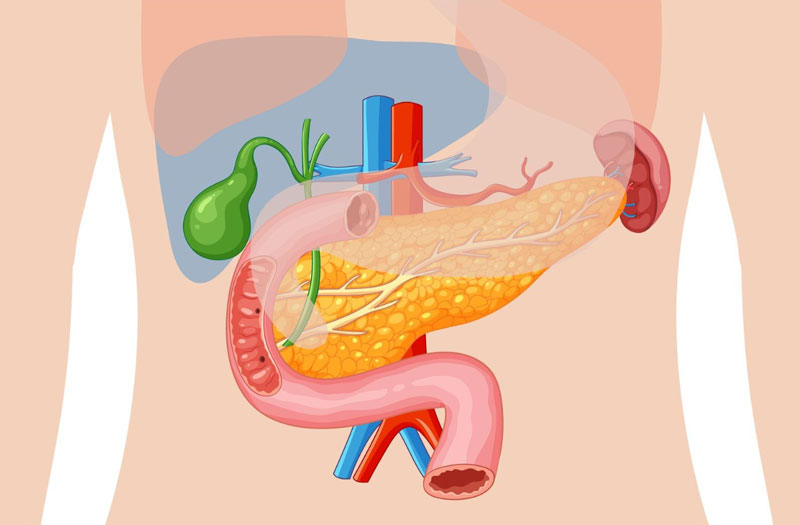
8. Nausea and Vomiting
Some people with pancreatic cancer experience nausea or vomiting.
A tumor can potentially interfere with digestion or, in some circumstances, contribute to obstruction of the digestive tract.
However, nausea and vomiting are much more often caused by infections, food poisoning, medications, migraines, pregnancy, reflux, or other gastrointestinal problems.
Persistent vomiting can lead to dehydration and nutritional deficiencies, so it should not be ignored regardless of the underlying cause.
9. New-Onset Diabetes or Unexplained Changes in Blood Sugar
The pancreas plays an important role in blood sugar regulation because it produces insulin and other hormones.
For some people, pancreatic disease can affect this function.
In certain cases, pancreatic cancer is associated with new-onset diabetes, particularly in older adults without an obvious explanation.
Existing diabetes can also become more difficult to control.
This does not mean that developing diabetes means you have pancreatic cancer. Type 2 diabetes is extremely common and has many causes.
However, unusual changes in blood sugar can prompt doctors to look more closely at a person's overall health, particularly when other symptoms are present.
10. Persistent Fatigue and Weakness
Cancer can affect the body in ways that cause ongoing fatigue.
A person may feel exhausted despite getting enough sleep or may notice that ordinary activities require more effort than before.
Fatigue can be related to inflammation, poor nutrition, weight loss, anemia, disrupted sleep, or the body's response to disease.
But fatigue is among the least specific symptoms on this list.
Stress, sleep disorders, thyroid problems, anemia, infections, depression, medications, and many other conditions can cause the same feeling.
Persistent unexplained fatigue becomes more concerning when it occurs alongside other unusual changes.
11. Blood Clots Without an Obvious Cause
Pancreatic cancer has been associated with an increased risk of venous thromboembolism, meaning blood clots that form in veins.
A clot in a deep vein, usually in the leg, can cause:
-
Swelling
-
Pain or tenderness
-
Warmth
-
Redness or discoloration
A clot can sometimes travel to the lungs, causing a pulmonary embolism.
Warning signs of a pulmonary embolism can include sudden shortness of breath, chest pain that may worsen with breathing, rapid heartbeat, coughing, or coughing up blood.
These symptoms require urgent medical attention.
Blood clots can occur for many reasons, including surgery, prolonged immobility, hormone therapy, inherited clotting disorders, and other cancers. A clot does not automatically mean pancreatic cancer.
But an unexplained clot should always be medically evaluated.
Why Pancreatic Cancer Can Be So Difficult to Detect
The pancreas is located deep inside the abdomen behind the stomach.
Because of its location, small tumors may not produce obvious physical symptoms.
There is also no widely recommended routine screening program for pancreatic cancer in people at average risk.
As a result, doctors often rely on a combination of symptoms, medical history, laboratory testing, and imaging when there is a reason for concern.
People with certain inherited genetic syndromes or a strong family history may qualify for specialized surveillance.
Who May Have a Higher Risk?
Several factors can increase pancreatic cancer risk.
Smoking is an important preventable risk factor.
Chronic pancreatitis can also increase risk, particularly when inflammation is long-standing.
Family history and inherited genetic factors can contribute in some cases.
Increasing age is another major risk factor.
Excess body weight and certain metabolic conditions have also been associated with increased risk.
Having one or more risk factors does not mean that pancreatic cancer will develop. It simply means that individual risk may be different from that of the general population.
Don't Assume Every Symptom Means Cancer
Reading a list of cancer symptoms can be unsettling.
It is important to remember that the symptoms discussed above are not specific to pancreatic cancer.
Indigestion is common.
Back pain is common.
Fatigue is common.
Weight fluctuations happen for many reasons.
Even jaundice can have several causes unrelated to cancer.
The purpose of knowing these signs is not to diagnose yourself.
It is to recognize when something is persistent or unusual enough to warrant professional evaluation.
When Should You See a Doctor?
Make an appointment with a healthcare professional if you develop symptoms that are persistent, unexplained, or progressively worsening.
Particular attention should be paid to unexplained jaundice, persistent abdominal or back pain, significant unintentional weight loss, ongoing digestive changes, or new blood sugar abnormalities.
If you develop sudden shortness of breath, severe chest pain, coughing up blood, or symptoms suggestive of a serious blood clot, seek emergency medical care.
Do not wait for several symptoms to appear before getting checked.
What Tests Might Be Used?
If a doctor suspects a pancreatic or digestive problem, the evaluation may include blood tests and imaging.
Blood tests can provide information about liver function, blood counts, glucose levels, and other aspects of health.
Imaging may include:
-
Ultrasound
-
CT scans
-
MRI
-
Magnetic resonance cholangiopancreatography (MRCP)
-
Endoscopic ultrasound in selected situations
Some patients may also undergo additional testing depending on their symptoms and medical history.
These tests can help doctors determine whether symptoms are caused by the pancreas, liver, gallbladder, digestive tract, or another condition.
Can Pancreatic Cancer Be Prevented?
There is no guaranteed way to prevent pancreatic cancer.
However, several healthy habits may reduce risk.
Avoiding tobacco is one of the most important steps.
Maintaining a healthy weight, exercising regularly, limiting alcohol consumption, managing diabetes, and eating a balanced diet can also support overall health.
People with chronic pancreatitis or a strong family history should discuss their individual risk with a healthcare professional.
The Importance of Paying Attention to Changes
One of the most dangerous assumptions is:
"I feel mostly fine, so it can't be serious."
Some serious diseases do not cause dramatic symptoms at first.
A persistent change in your body does not automatically mean something dangerous is happening. But ignoring a symptom simply because it seems mild can delay diagnosis of many different conditions.
The goal is not to become anxious about every ache or digestive problem.
Instead, learn to recognize patterns.
A single episode of indigestion after a heavy meal is usually very different from months of unexplained digestive problems accompanied by weight loss.
Likewise, ordinary back pain after exercise is different from persistent back pain combined with jaundice or unexplained weight loss.
Context matters.
Final Thoughts
Pancreatic cancer can be difficult to detect because early symptoms may be subtle, nonspecific, or absent altogether.
Potential warning signs include unexplained weight loss, loss of appetite, persistent abdominal or back pain, jaundice, changes in stool, ongoing indigestion, nausea and vomiting, new or worsening blood sugar problems, persistent fatigue, and unexplained blood clots.
None of these symptoms proves that pancreatic cancer is present.
But when a symptom is new, persistent, unexplained, or accompanied by other concerning changes, it deserves proper medical attention.
The most important message is not to panic - it is to pay attention.
If your body is behaving differently for weeks or months and you cannot explain why, don't simply assume that it is part of getting older or being stressed.
Getting checked does not mean you have cancer. It means you are giving yourself the opportunity to find out what is actually happening and if there is a serious problem, to address it as early as possible.