Diabetes doesn't always announce itself with a dramatic warning.
In fact, one of the most concerning things about high blood sugar is how quietly it can develop. A person may feel perfectly healthy while glucose levels are gradually rising. Some people have symptoms for months or even years without realizing that they could be related to blood sugar.
That is especially true with type 2 diabetes, which can develop gradually and may cause few noticeable symptoms in its early stages.
This doesn't mean that every unusual change in your body is a sign of diabetes. Many of the symptoms below can have completely different causes. But when several occur together, persist over time, or appear without an obvious explanation, they are worth discussing with a healthcare professional.
Here are 9 possible clues your body may be giving you.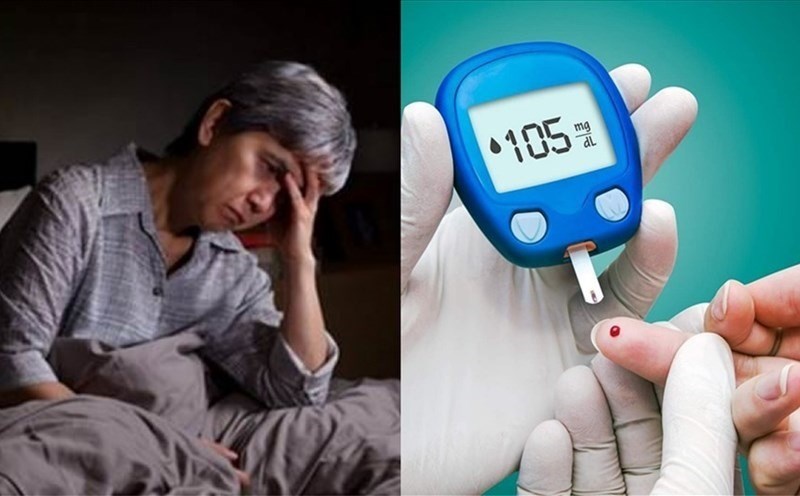
1. You’re Constantly Thirsty
Feeling thirsty after exercise or on a hot day is completely normal.
Persistent, unusual thirst is different.
When blood glucose becomes too high, the kidneys work harder to remove excess glucose from the bloodstream. Glucose can draw additional water into the urine, increasing fluid loss.
As a result, you may find yourself reaching for water much more often than usual.
You might notice that you are drinking throughout the day but still feel unusually thirsty.
Of course, thirst can also be caused by dehydration, salty foods, certain medications, hot weather, and other medical conditions.
The important thing is to pay attention when excessive thirst is persistent and accompanied by other changes, particularly frequent urination.
2. You’re Urinating Much More Often
Frequent urination can have many explanations, but it can also occur when blood glucose levels are consistently elevated.
When excess glucose reaches the kidneys, the body attempts to eliminate it through urine. This can increase urine production.
Some people notice that they are making more trips to the bathroom during the day. Others may begin waking up several times during the night to urinate.
Again, this symptom alone does not mean someone has diabetes.
Urinary tract problems, medications, increased fluid intake, pregnancy, prostate conditions, and other issues can also cause frequent urination.
But if a noticeable change in urination occurs alongside unusual thirst, fatigue, blurred vision, or unexplained weight changes, it deserves attention.
3. You Feel Hungry Even After Eating
Another possible clue is persistent or unusual hunger.
Glucose is an important source of energy for the body's cells. In diabetes, however, insulin doesn't work properly or there isn't enough insulin available to move glucose from the bloodstream into cells effectively.
As a result, glucose can remain elevated in the blood while the body's tissues aren't using it normally.
Some people may experience increased hunger despite eating regularly.
This doesn't mean that feeling hungry occasionally is a warning sign. Appetite naturally changes depending on physical activity, sleep, stress, meal composition, and many other factors.
But a sustained increase in appetite—especially when combined with unexplained weight loss or increased thirst and urination—is something worth investigating.
4. Unexplained Weight Loss
Unexpected weight loss can be particularly important.
If the body cannot effectively use glucose for energy, it may begin using stored fat and muscle tissue instead.
This can result in weight loss even when a person hasn't intentionally changed their diet or exercise routine.
Unintentional weight loss has many possible causes, however, ranging from stress and gastrointestinal problems to thyroid disorders and other medical conditions.
So losing weight without trying shouldn't automatically be interpreted as diabetes.
But significant or ongoing unexplained weight loss should always be discussed with a healthcare professional, particularly if it occurs alongside excessive thirst, frequent urination, or increased hunger.
5. You’re More Tired Than Usual
Everyone gets tired.
A few nights of poor sleep, a stressful week, a demanding job, or intense exercise can leave almost anyone exhausted.
Diabetes-related fatigue can be more persistent.
When glucose isn't being used effectively by cells, the body may struggle to obtain energy efficiently. At the same time, fluctuations in blood glucose and dehydration can contribute to feeling unwell or fatigued.
You might notice that ordinary activities suddenly feel more exhausting than they used to.
You may also find yourself struggling to concentrate or feeling unusually sluggish throughout the day.
But fatigue is one of the least specific symptoms on this list. Anemia, sleep disorders, infections, depression, thyroid problems, medication effects, and countless other conditions can cause it.
That's why persistent fatigue should be considered in context rather than treated as proof of diabetes.
6. Your Vision Becomes Blurry
Changes in blood glucose can temporarily affect the way the eye focuses.
When glucose levels change, fluid levels in the tissues of the eye can also change, affecting the lens and causing temporary blurred vision.
Some people notice that their vision becomes intermittently blurry rather than consistently poor.
This symptom deserves attention because vision changes can have many causes, including problems unrelated to diabetes.
If you suddenly experience significant vision changes, flashes, a curtain-like shadow, severe eye pain, or sudden loss of vision, seek urgent medical attention rather than waiting for a routine appointment.
For more gradual changes, an eye examination and appropriate medical evaluation can help determine the cause.
7. Cuts and Wounds Seem to Take Longer to Heal
High blood glucose can affect several processes involved in wound healing.
Over time, diabetes can contribute to changes in circulation, nerve function, and the body's ability to respond effectively to infection.
As a result, some people with poorly controlled diabetes may notice that cuts, blisters, or other wounds take longer to heal than expected.
This is particularly important when wounds repeatedly become infected or when sores on the feet don't seem to improve.
However, slow healing can also occur because of poor circulation, smoking, nutritional problems, certain medications, and other medical conditions.
A wound that is becoming increasingly red, swollen, painful, warm, draining pus, or accompanied by fever should be evaluated promptly.:format(webp)/benh_tieu_duong_co_lay_qua_quan_he_vo_chong_khong_giai_dap_chi_tiet_4_c4af757d11.jpg)
8. You Keep Getting Certain Infections
Some people with diabetes experience recurrent infections.
Elevated blood glucose can create conditions that make it more difficult for the body to fight certain infections effectively. High glucose levels can also promote the growth of some microorganisms.
Depending on the individual, this may involve recurrent urinary tract infections, skin infections, or certain fungal infections.
Women may also experience recurrent vaginal yeast infections.
One infection doesn't mean someone has diabetes.
But if infections keep returning without an obvious reason, particularly when combined with other symptoms on this list, it may be reasonable to discuss blood glucose testing with a healthcare professional.
9. You Notice Tingling or Numbness in Your Hands or Feet
Persistent tingling, burning, numbness, or reduced sensation—especially in the feet—can sometimes be associated with diabetes-related nerve damage.
This complication, called diabetic peripheral neuropathy, is generally associated with diabetes that has been present for some time, although nerve symptoms can occasionally be noticed around the time diabetes is diagnosed.
The symptoms often begin in the feet and may gradually move upward. Some people experience burning or pins-and-needles sensations, while others notice reduced sensitivity.
This is important because reduced sensation can make it easier to overlook cuts, blisters, burns, or other injuries.
But numbness and tingling have many other causes, including nerve compression, vitamin deficiencies, alcohol use, certain medications, and other neurological conditions.
Persistent or worsening symptoms deserve medical evaluation.
One Symptom Doesn't Mean You Have Diabetes
This is perhaps the most important point.
Having one of these symptoms does not mean you have diabetes.
Feeling thirsty after exercising isn't diabetes.
Being tired after a poor night's sleep isn't diabetes.
Having blurry vision after staring at a screen for hours isn't automatically diabetes either.
The concern becomes greater when symptoms are persistent, unexplained, or occur in combination.
For example, someone who suddenly develops increased thirst, frequent urination, fatigue, and unexplained weight loss should not simply assume they're getting older or having a stressful month.
Those symptoms warrant evaluation.
Diabetes Can Also Be Completely Silent
Perhaps the biggest reason not to rely on symptoms alone is that type 2 diabetes can develop without obvious symptoms.
A person can have elevated blood glucose and still feel normal.
That's why screening and routine medical care are important, particularly for people with risk factors.
Depending on age, health history, and individual risk, a healthcare professional may recommend tests such as:
-
A1C, which estimates average blood glucose over roughly the previous two to three months
-
Fasting plasma glucose
-
Oral glucose tolerance testing
-
Other blood glucose measurements when appropriate
These tests can help distinguish normal blood glucose from prediabetes or diabetes.
Who May Have a Higher Risk?
Several factors can increase the likelihood of developing type 2 diabetes.
These include:
-
Having overweight or obesity
-
Getting little regular physical activity
-
Having a close family member with type 2 diabetes
-
Increasing age
-
A history of gestational diabetes
-
Certain ethnic or genetic risk factors
-
High blood pressure
-
Abnormal cholesterol or triglyceride levels
-
Certain medical conditions and medications
Having risk factors doesn't mean diabetes is inevitable.
Likewise, someone without obvious risk factors can still develop the disease.
That's why symptoms and appropriate screening both matter.
Prediabetes Is Another Reason to Pay Attention
Before type 2 diabetes develops, blood glucose can remain above the normal range without reaching the diagnostic threshold for diabetes.
This condition is commonly called prediabetes.
The tricky part is that prediabetes often causes no clear symptoms.
That means waiting until you feel sick isn't a reliable strategy.
When identified early, prediabetes can provide an opportunity to make lifestyle changes and, when appropriate, receive medical guidance that may reduce the risk of progressing to type 2 diabetes.
What Can You Do If You’re Concerned?
The first step isn't to panic.
It's to get information.
If you've noticed several of these changes, make an appointment with your healthcare professional and explain what you've been experiencing.
Keep track of when the symptoms started, how frequently they occur, and whether they've been getting worse.
If you have a home glucose meter, measurements may sometimes provide useful information, but a home reading should not be used by itself to diagnose diabetes. A clinician can determine which testing is appropriate and interpret the results in context.
Don't Wait for Severe Symptoms
Very high blood glucose can sometimes become an emergency.
Symptoms such as severe vomiting, significant dehydration, confusion, extreme weakness, difficulty breathing, or marked drowsiness can indicate a serious metabolic problem and require urgent medical attention.
People with known diabetes should follow their healthcare team's instructions regarding very high or very low glucose levels and when to seek emergency care.
For everyone else, persistent or unexplained symptoms are a reason to arrange an evaluation rather than attempting to diagnose yourself online..jpg)
The Bottom Line
Diabetes doesn't always arrive with an obvious warning.
Sometimes the earliest clues are subtle: unusual thirst, frequent urination, persistent hunger, unexplained weight loss, ongoing fatigue, blurred vision, slow-healing wounds, recurrent infections, or tingling and numbness.
But these symptoms are not specific to diabetes, and some people with diabetes have no symptoms at all.
The most useful approach is not to assume the worst or ignore the signs.
Instead, pay attention to persistent changes in your body, understand your risk factors, keep up with recommended screening, and talk with a healthcare professional when something doesn't seem right.
Your body can give you clues, but a proper blood test - not a symptom checklist is what can determine whether diabetes or prediabetes is actually present.