The Part of Pork Many People Avoid Is Actually Packed With Collagen: Eat It the Right Way for Surprising Health Benefits
A Natural Source of Collagen You May Be Overlooking
Health 21/07/2026 21:22
Pickle juice the salty, tangy liquid left behind after pickles are finished has become surprisingly popular in recent years. Some athletes drink it after workouts, social media influencers promote it as a natural remedy, and many people claim it can relieve muscle cramps, improve hydration, aid digestion, or even help with weight loss.
While pickle juice does contain nutrients such as sodium, vinegar, and small amounts of minerals, not all of the health claims surrounding it are supported by strong scientific evidence. Like many foods and beverages, pickle juice may offer certain benefits in specific situations, but it also has limitations and isn't appropriate for everyone.
If you're thinking about drinking pickle juice, here's what current research and nutrition experts want you to know.
Pickle juice is the liquid used to preserve pickled vegetables, most commonly cucumbers.
Traditional pickle brine usually contains:
Water
Vinegar
Salt
Herbs
Garlic
Dill
Mustard seeds
Peppercorns
Various spices
The exact nutritional content varies depending on the recipe and brand.
Some pickles are naturally fermented, while others are simply preserved in vinegar. Their juices differ in flavor, probiotic content, and nutritional profile.
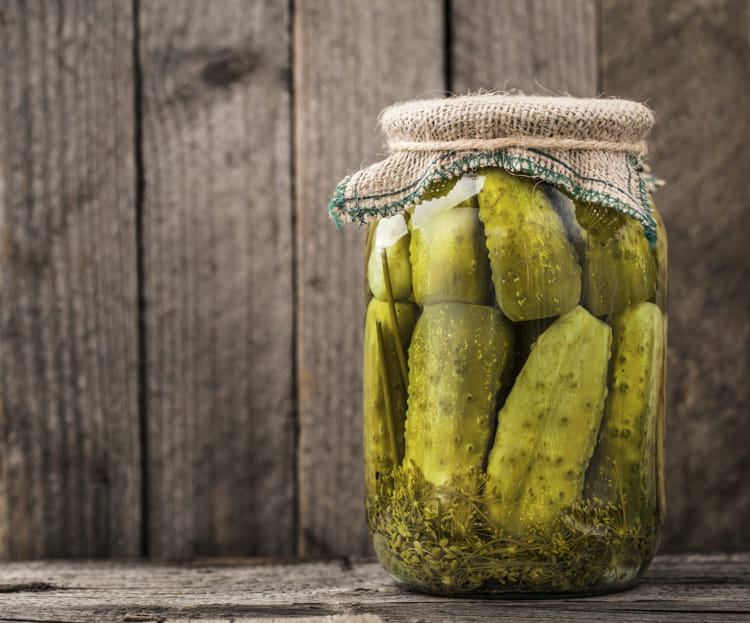
Although it contains very few calories, pickle juice is rich in certain compounds.
These may include:
Sodium
Acetic acid (from vinegar)
Small amounts of potassium
Trace minerals
Antioxidants from herbs and spices
However, pickle juice is not a major source of vitamins or essential nutrients.
Its most notable characteristic is its high sodium content.
Interest in pickle juice has grown because of claims that it can:
Relieve muscle cramps
Replace electrolytes
Improve hydration
Aid digestion
Support blood sugar control
Help with weight management
Reduce hangover symptoms
Let's examine what current evidence says about these claims.
One of the best-studied uses of pickle juice is for muscle cramps that occur during or after intense exercise.
Some small studies have found that drinking a small amount of pickle juice may shorten the duration of exercise-associated muscle cramps.
Interestingly, researchers believe this effect is unlikely to be caused simply by replacing electrolytes, because the relief often occurs within minutes—too quickly for the sodium to significantly alter blood chemistry.
Instead, scientists propose that the strong taste of vinegar and salt may activate receptors in the mouth and throat, triggering nerve reflexes that reduce muscle cramping. This mechanism is still being investigated.
Even so, evidence remains limited, and pickle juice should not be considered a guaranteed treatment for all types of muscle cramps.
During prolonged exercise or activity in hot weather, the body loses sodium through sweat.
Because pickle juice contains substantial amounts of sodium, it may help replenish some of these losses in certain situations, such as:
Long-distance running
Endurance cycling
Competitive sports
Heavy outdoor work in hot environments
However, for most people engaging in moderate daily activity, water and a balanced diet are sufficient for hydration.
Commercial oral rehydration solutions or sports drinks may be more appropriate in situations involving significant fluid and electrolyte loss.
Hydration depends on both fluids and electrolytes.
Since pickle juice contains sodium, it may encourage fluid retention after heavy sweating.
However, because it is very salty, drinking large amounts without enough water may actually increase thirst.
The best approach is to consume pickle juice in small amounts, alongside adequate water when appropriate.
Vinegar, one of the main ingredients in pickle juice, has been studied for its potential effects on blood sugar.
Some research suggests that consuming vinegar with meals may modestly reduce post-meal blood glucose spikes in some individuals.
However:
Results vary among studies.
Benefits are generally modest.
Pickle juice should not replace prescribed diabetes medications or healthy dietary habits.
People with diabetes should consult their healthcare provider before making significant dietary changes.
Pickle juice contains very few calories.
Some people use small amounts as:
A salad dressing ingredient
A marinade
A seasoning for vegetables
A flavor enhancer for sauces
Using pickle juice in recipes may add flavor without relying on sugar-rich sauces.
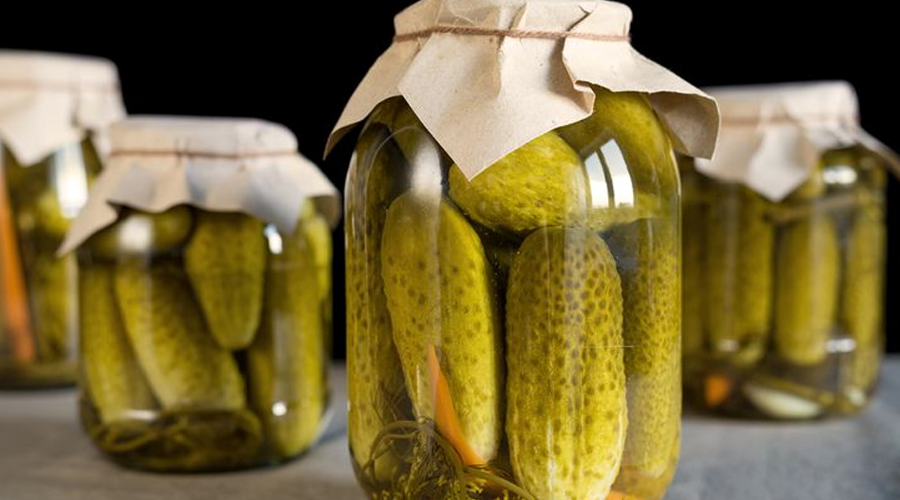
The answer depends on the type of pickles.
If pickles are naturally fermented, they may contain beneficial bacteria (probiotics).
However, these bacteria are not always present in significant numbers, especially if the product has been pasteurized.
Many commercial pickles are preserved with vinegar rather than fermentation.
These products generally do not contain live probiotics, even though they taste similar.
Therefore, not all pickle juice supports gut health in the same way.
There is no strong evidence that pickle juice directly causes weight loss.
Some people believe vinegar may increase feelings of fullness or slightly influence appetite, but the effects appear modest.
Long-term weight management still depends on:
Total calorie intake
Dietary quality
Physical activity
Sleep
Stress management
No beverage alone can produce meaningful weight loss.
Although pickle juice may have some benefits, it also has potential drawbacks.
This is the biggest concern.
One serving of pickle juice can contain several hundred milligrams of sodium.
Excess sodium intake may contribute to:
High blood pressure in some individuals
Fluid retention
Increased thirst
People with hypertension, kidney disease, heart failure, or those following sodium-restricted diets should be especially cautious.
Because of its acidity and salt content, drinking large amounts of pickle juice may cause:
Heartburn
Stomach irritation
Nausea
Indigestion
Individuals with acid reflux or sensitive stomachs may be more likely to experience these symptoms.
The vinegar in pickle juice is acidic.
Frequent exposure to acidic beverages may gradually contribute to tooth enamel erosion.
If you drink pickle juice regularly:
Avoid sipping it continuously over long periods.
Consider rinsing your mouth with plain water afterward.
Wait about 30 minutes before brushing your teeth to help protect enamel.
You should speak with a healthcare professional before drinking pickle juice regularly if you:
Have high blood pressure
Have kidney disease
Have congestive heart failure
Need a low-sodium diet
Experience frequent acid reflux
Have stomach ulcers or chronic gastritis
Children should also avoid consuming large amounts because of the high sodium content.
There is no official recommended daily intake for pickle juice.
If you choose to drink it:
Keep portions modest rather than consuming large glasses.
Drink water alongside it, especially after exercise.
Avoid making it your primary hydration beverage.
Consider its sodium content as part of your overall daily intake.
For most healthy adults, pickle juice is best viewed as an occasional addition to the diet rather than a daily necessity.
Instead of drinking it straight, you can use pickle juice to:
Marinate chicken or fish
Make homemade salad dressings
Flavor potato salad
Add zest to coleslaw
Enhance roasted vegetables
Season sandwiches or wraps
These uses allow you to enjoy its distinctive flavor while controlling portion size.
False.
Some evidence suggests it may help with exercise-associated muscle cramps, but it is not effective for every type of cramp, and research is still ongoing.
False.
Water remains the best choice for everyday hydration. Pickle juice may have a role after heavy sweating because of its sodium content, but it should not replace water for routine fluid intake.
False.
No scientific evidence shows that pickle juice directly burns fat or causes significant weight loss.
False.
Because it is high in sodium, consuming large amounts may increase health risks rather than benefits.
Moderation is important.
Pickle juice has earned its reputation as more than just leftover brine. Thanks to its sodium and vinegar content, it may help some athletes with exercise-associated muscle cramps or support electrolyte replacement after prolonged sweating. It can also add bold flavor to meals with very few calories. However, many popular claims - such as detoxifying the body, burning fat, or dramatically improving digestion are not supported by strong scientific evidence.
For most people, pickle juice can be enjoyed occasionally as part of a balanced diet, but it should not replace water, nutritious foods, or evidence-based medical care. Because it is high in sodium and acidic, moderation is especially important for people with high blood pressure, kidney disease, heart conditions, or digestive disorders. Understanding both the potential benefits and the limitations allows you to decide whether pickle juice fits your personal health needs.
A Natural Source of Collagen You May Be Overlooking

Don't Ignore Leg Cramps at Night. Here's What You Should Know.

5 Changes on Your Nose That Doctors Say You Should Never Ignore
Healthy Arteries Start With the Right Nutrition

The Hidden Reason You Constantly Feel Something Stuck When Swallowing

64-Year-Old Woman Ate A Boiled Sweet Potato Every Morning For A Year. She Was Surprised By What Doctors Found

I didn’t know that’s what they were. Check the 1st comment…

Venomous or Harmless? Here's What You Should Know About Identifying Snakes...

Have You Ever Wondered Why Flight Attendants Sit on Their Hands During Takeoff

He Thought It Was Just an Allergy But the Diagnosis Revealed Something Unexpected...

4 Skin Symptoms You Shouldn't Ignore - They May Point to Liver Disease...

How Often Should You Really Shower? The Answer Isn't the Same for Everyon
Boiled eggs are nutritious, but moderation still matters for good health.

Peanuts are nutritious, but improper storage may pose unexpected health risks.

Persistent itching and skin bumps may signal more than a simple irritation.
Beets offer many benefits, but some effects can surprise even healthy adults.


Clove and Cinnamon Water After 50: Potential Benefits and What You Should Know

A Tiny White Lump Came Out of My Throat: One Possible Explanation

Recognizing Low Blood Sugar: 12 Possible Warning Signs
A Natural Source of Collagen You May Be Overlooking
Don't Ignore Leg Cramps at Night. Here's What You Should Know.
5 Changes on Your Nose That Doctors Say You Should Never Ignore
Healthy Arteries Start With the Right Nutrition
The Hidden Reason You Constantly Feel Something Stuck When Swallowing
64-Year-Old Woman Ate A Boiled Sweet Potato Every Morning For A Year. She Was Surprised By What Doctors Found
I didn’t know that’s what they were. Check the 1st comment…
Venomous or Harmless? Here's What You Should Know About Identifying Snakes...
Have You Ever Wondered Why Flight Attendants Sit on Their Hands During Takeoff
He Thought It Was Just an Allergy But the Diagnosis Revealed Something Unexpected...
Not Every Brown Spot Means Your Avocado Has Gone Bad
4 Skin Symptoms You Shouldn't Ignore - They May Point to Liver Disease...
How Often Should You Really Shower? The Answer Isn't the Same for Everyon
Boiled eggs are nutritious, but moderation still matters for good health.
Peanuts are nutritious, but improper storage may pose unexpected health risks.
Persistent itching and skin bumps may signal more than a simple irritation.
Beets offer many benefits, but some effects can surprise even healthy adults.