Houseplants have become an increasingly popular addition to homes, bringing a touch of nature indoors while enhancing the look and feel of living spaces. Among the many indoor plants available, the snake plant (Dracaena trifasciata, formerly known as Sansevieria trifasciata) stands out as one of the easiest and most resilient options for beginners and experienced plant enthusiasts alike.
Its upright, sword-shaped leaves and striking green patterns make it an attractive decorative feature, but its popularity goes beyond appearance. Many people choose to place a snake plant in the bedroom because it is low-maintenance, tolerates a wide range of indoor conditions, and has long been associated with cleaner indoor spaces and a calming atmosphere.
While you may have heard claims that snake plants can dramatically purify the air or transform sleep quality, it's important to separate scientific evidence from popular myths. The truth is that snake plants offer several practical benefits, but they are not miracle plants.
If you're considering adding a snake plant to your bedroom, here's what you should know.
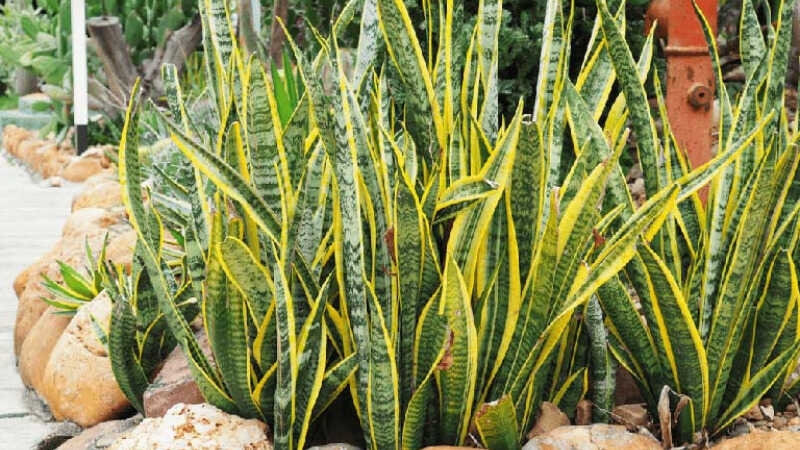
What Is a Snake Plant?
The snake plant is a hardy evergreen succulent native to West Africa.
It is known for:
-
Tall, upright leaves
-
Attractive green and yellow patterns
-
Slow growth
-
Excellent drought tolerance
-
Adaptability to indoor environments
Because it stores water in its thick leaves, it requires much less watering than many other houseplants.
This makes it an excellent choice for busy households or people new to indoor gardening.
Why Is the Snake Plant So Popular?
The snake plant has earned a reputation as one of the easiest houseplants to grow.
People appreciate it because it:
-
Requires minimal maintenance
-
Tolerates low light
-
Survives occasional neglect
-
Fits well in modern home décor
-
Lives for many years with proper care
These qualities make it especially attractive for bedrooms, apartments, and offices.
1. It Is Easy to Care For
One of the biggest advantages of a snake plant is its simplicity.
Unlike many indoor plants, it doesn't require:
-
Frequent watering
-
Daily attention
-
Constant fertilizing
-
Bright sunlight
For many people, this low-maintenance nature is its greatest benefit.
2. It Tolerates Low-Light Conditions
Bedrooms often receive less sunlight than living rooms or kitchens.
Fortunately, snake plants can tolerate:
-
Bright indirect light
-
Partial shade
-
Low indoor light
Although they grow faster in brighter conditions, they usually adapt well to typical bedroom lighting.
Avoid placing them in prolonged direct afternoon sunlight, which may scorch the leaves.
3. It Helps Create a Relaxing Atmosphere
Indoor plants often make a room feel more inviting and peaceful.
Although research cannot confirm that a snake plant directly reduces stress, many people find that caring for plants contributes to a calming home environment.
Adding greenery to a bedroom may:
-
Create a more natural setting
-
Improve visual appeal
-
Encourage relaxation
-
Make the room feel more comfortable
Even simple decorative changes can positively influence how a space feels.
4. It Is Associated with Indoor Air Quality Research
One reason snake plants became famous is their inclusion in NASA's Clean Air Study conducted decades ago.
That research found that certain houseplants could remove small amounts of specific airborne chemicals under controlled laboratory conditions.
However, it's important to understand what this means.
Real homes are much larger and have different airflow than laboratory chambers.
Current experts generally agree that while houseplants may contribute modestly to indoor environments, a single snake plant is unlikely to significantly improve indoor air quality on its own.
Proper ventilation remains far more important.
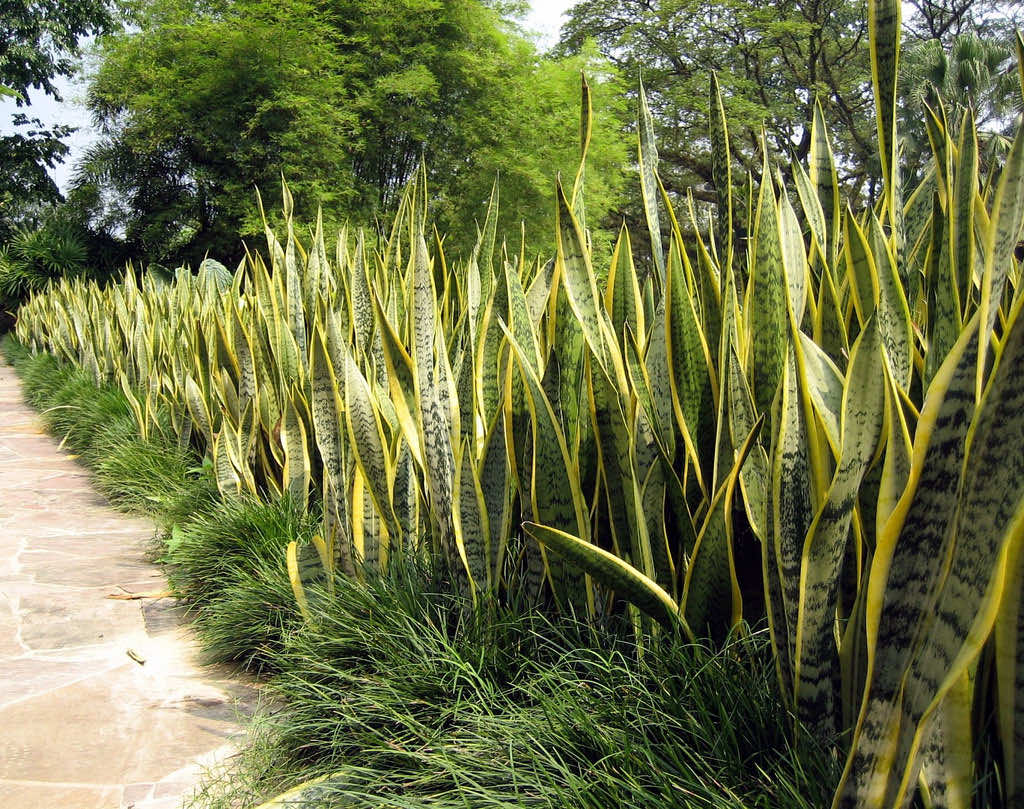
5. It Uses a Unique Photosynthesis Process
Snake plants use a process called Crassulacean Acid Metabolism (CAM).
Unlike many plants, CAM plants open their stomata mainly at night to reduce water loss.
Because of this characteristic, snake plants continue exchanging gases overnight.
This fact has contributed to the popular belief that they are ideal bedroom plants.
While scientifically interesting, there is no strong evidence that a single snake plant meaningfully changes oxygen levels or improves sleep quality in a typical bedroom.
6. It Requires Very Little Water
Overwatering is one of the most common reasons houseplants die.
Fortunately, snake plants are extremely drought tolerant.
Most homes require watering only when the soil has become dry.
Depending on:
-
Temperature
-
Humidity
-
Pot size
-
Light exposure
watering may only be necessary every few weeks.
Always check the soil before adding water.
7. It Can Last for Many Years
With proper care, snake plants are remarkably long-lived.
Many people keep the same plant for:
-
Five years
-
Ten years
-
Twenty years
-
Even longer
They also produce new shoots over time, making them easy to divide and propagate.
8. It Fits Almost Any Decorating Style
Snake plants complement many interior designs.
They look attractive in:
-
Modern homes
-
Minimalist bedrooms
-
Scandinavian décor
-
Contemporary apartments
-
Office spaces
Their vertical leaves also make them suitable for small rooms because they occupy little floor space.
9. It Is Beginner-Friendly
If you've never cared for a houseplant before, the snake plant is one of the easiest places to start.
It forgives many common mistakes, including:
-
Forgetting to water
-
Low humidity
-
Indoor heating
-
Occasional low light
Few houseplants are as resilient.
10. It May Encourage Better Plant Care Habits
Owning a low-maintenance plant often encourages people to become more interested in indoor gardening.
Over time, this can lead to:
-
Learning about plant care
-
Decorating with greenery
-
Spending more time caring for living plants
These hobbies may contribute to overall enjoyment and satisfaction for many people.
How to Care for a Snake Plant
Fortunately, care is simple.
Light
Best:
-
Bright indirect light
Also tolerates:
-
Moderate light
-
Low light
Avoid prolonged harsh afternoon sun.
Water
Allow the soil to dry between waterings.
Never leave the pot sitting in water.
Too much water is far more harmful than too little.
Soil
Choose well-draining soil, such as:
-
Cactus mix
-
Succulent soil
-
Indoor potting mix with added perlite
Proper drainage helps prevent root rot.
Temperature
Snake plants generally thrive in typical indoor temperatures.
Protect them from frost and prolonged exposure to very cold conditions.
Fertilizer
During the growing season, a balanced houseplant fertilizer may be applied occasionally according to the product instructions.
Avoid excessive fertilization.
Common Problems
Although easy to grow, snake plants can experience problems.
Yellow leaves
Often caused by overwatering.
Soft leaves
Usually indicate root rot or excessive moisture.
Brown tips
May result from underwatering, fluoride in water, or very dry air.
Wrinkled leaves
Can indicate prolonged drought.
Most issues improve once watering habits are corrected.
Is the Snake Plant Safe Around Pets?
One important consideration is that snake plants contain compounds called saponins, which can be mildly toxic to cats and dogs if ingested.
Pets that chew on the leaves may experience:
-
Drooling
-
Vomiting
-
Diarrhea
If you have curious pets, place the plant out of reach or choose a pet-safe alternative.
Common Myths About Snake Plants
Myth: One snake plant completely purifies indoor air.
Scientific studies do not support this claim in typical home environments.
Myth: Snake plants produce enough oxygen to dramatically improve sleep.
Although snake plants continue gas exchange at night through CAM photosynthesis, there is no strong evidence that one or two plants significantly affect bedroom oxygen levels or sleep quality.
Myth: Snake plants never need watering.
They need water occasionally—just much less often than many other houseplants.
Tips for Choosing a Healthy Snake Plant
When shopping, look for plants with:
-
Upright leaves
-
Firm foliage
-
Healthy green color
-
No soft spots
-
No signs of insects
-
Well-draining pots
Avoid plants with mushy bases or extensive yellowing.
Final Thoughts
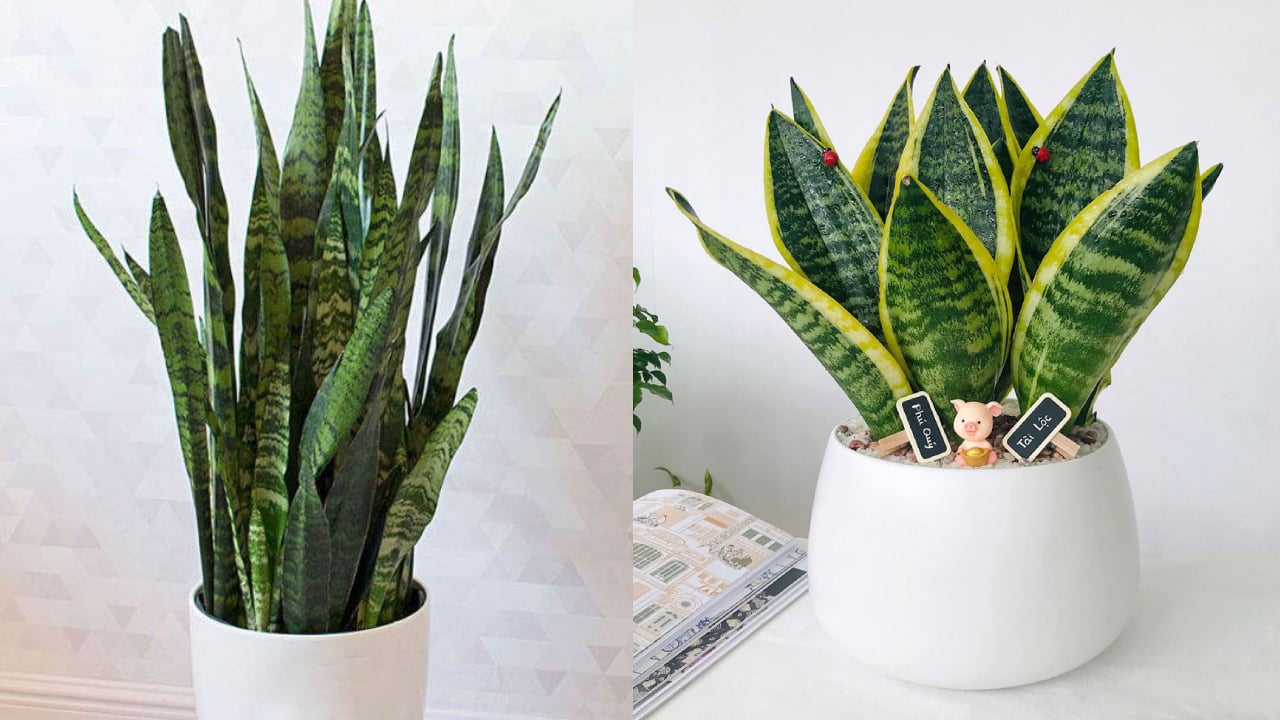
The snake plant has earned its reputation as one of the most practical and attractive houseplants for the home. Its low-maintenance nature, tolerance for low light, drought resistance, and striking appearance make it an excellent choice for bedrooms, especially for those new to indoor gardening. While claims about dramatically purifying the air or significantly improving sleep are often overstated, the plant's resilience and ease of care have made it a favorite around the world.
Adding a snake plant to your bedroom won't replace good ventilation, healthy sleep habits, or proper indoor air quality measures, but it can enhance the room's appearance, bring a touch of greenery indoors, and provide the satisfaction of caring for a living plant. With occasional watering, well-draining soil, and moderate light, a snake plant can remain a beautiful part of your home for many years to come.