Want Better Circulation? These 12 Foods May Help Support Healthy Legs
12 Everyday Foods That May Support Healthy Bl00d Flow
⏱️ 1 min read 12/08/2026 12:07
Sleeping without clothes may sound unusual to some people, while others find it more comfortable than wearing pajamas. There is no universal rule saying that sleeping naked is healthier than wearing clothes, but it can influence several aspects of sleep, comfort, body temperature, and skin health.
Your body naturally cools down as you prepare for sleep. Because temperature regulation is closely connected with your sleep-wake cycle, anything that makes you too hot or uncomfortable may interfere with sleep.
For some people, sleeping without clothes can make it easier to stay comfortably cool. For others, pajamas provide warmth and comfort that actually improve sleep.
So what might happen if you decide to sleep naked?

One of the most obvious potential benefits of sleeping naked is improved temperature regulation.
Your core body temperature naturally decreases as bedtime approaches. This drop is part of the body's normal preparation for sleep.
If you're wearing thick pajamas, heavy socks, or multiple layers of bedding, you may become overheated.
Sleeping without clothes can reduce the amount of insulation around your body, potentially making it easier to maintain a comfortable temperature.
This may be particularly helpful if you:
Get hot while sleeping
Sweat at night
Live in a warm climate
Use thick blankets
Have a warm bedroom
However, getting too cold can also disturb sleep.
The goal isn't to make yourself cold. It's to create a comfortable sleeping environment.
Sleep quality is strongly influenced by comfort.
If your clothing feels restrictive, bunches up, traps heat, or irritates your skin, removing it may make it easier to relax.
For some people, sleeping naked can eliminate:
Tight waistbands
Restrictive underwear
Scratchy fabrics
Overheating
Clothing that twists during sleep
This doesn't mean sleeping naked automatically improves sleep for everyone.
If you already sleep comfortably in loose pajamas, changing your routine may make little difference.
Temperature is one of the environmental factors that can influence sleep quality.
A bedroom that is excessively warm can make it harder to fall asleep and may increase nighttime awakenings.
Sleeping without clothes isn't a magic sleep treatment, but it may be one small way to reduce overheating.
Other useful strategies include:
Keeping the bedroom comfortably cool
Choosing breathable bedding
Avoiding excessively heavy blankets
Limiting alcohol close to bedtime
Maintaining a consistent sleep schedule
Your overall sleep environment matters much more than whether you wear pajamas.
Warm, moist environments can encourage the growth of certain microorganisms and may contribute to skin irritation.
Sleeping naked—or simply wearing loose, breathable clothing—can improve ventilation around areas such as:
The groin
Inner thighs
Underarms
Skin folds
This may be particularly relevant for people who sweat heavily at night.
However, sleeping naked isn't a treatment for fungal or bacterial infections.
If you have persistent itching, redness, scaling, unusual discharge, or a rash that doesn't improve, medical evaluation may be appropriate.
Night sweating can make sleep uncomfortable.
If your pajamas become damp, they may remain against your skin for hours.
Reducing layers may help some people feel more comfortable.
But frequent or unexplained night sweats should not simply be attributed to warm pajamas.
Persistent night sweating can have many possible causes, including:
A warm bedroom
Hormonal changes
Medications
Infections
Anxiety
Sleep disorders
Other medical conditions
If you regularly wake up drenched in sweat without an obvious environmental explanation, discuss it with a healthcare professional.
Clothing can create friction while you move during sleep.
For people with sensitive skin, tight underwear or synthetic fabrics may contribute to:
Irritation
Redness
Chafing
Sweating
Discomfort
Removing clothing can reduce friction and allow more airflow.
But fabric choice also matters.
If you don't want to sleep naked, loose cotton or other breathable sleepwear can provide many of the same comfort advantages.
Sleeping without underwear may reduce heat and moisture around the vulvar area.
For people prone to irritation, breathable sleep habits can sometimes be more comfortable.
However, this doesn't mean that every woman should sleep naked or without underwear.
Individual comfort matters.
If you experience recurrent irritation, itching, unusual discharge, odor, or pain, these symptoms should be evaluated rather than treated simply by changing sleepwear.
The testicles are located outside the body partly because sperm production works best at a temperature slightly below core body temperature.
This has led to interest in whether tight underwear or excessive heat might influence male reproductive health.
However, the evidence isn't strong enough to conclude that sleeping naked significantly improves fertility in healthy men.
If you're concerned about fertility, factors such as:
Overall health
Smoking
Alcohol
Body weight
Certain medications
Heat exposure
Medical conditions
may be more important.
Sleeping naked is not a guaranteed fertility treatment.
There is also a psychological side to sleep.
Some people simply feel more relaxed without clothing.
If you associate pajamas with work, routines, or daytime activities, sleeping without them may create a stronger mental separation between daytime and bedtime.
For others, pajamas create exactly that sense of comfort and relaxation.
The best sleep routine is the one that helps you feel comfortable and relaxed.
You'll sometimes see claims that sleeping naked causes your body to burn significantly more calories.
That's an exaggeration.
Lowering your sleeping temperature slightly may influence energy expenditure, but there is no strong evidence that simply sleeping naked leads to meaningful weight loss.
If your goal is healthy weight management, focus on:
Balanced nutrition
Appropriate calorie intake
Regular exercise
Adequate sleep
Stress management
Don't expect sleeping without clothes to replace these habits.
Body temperature and sleep are connected to several hormonal processes.
During normal sleep, the body regulates hormones involved in:
Appetite
Stress
Metabolism
Growth and repair
Getting enough high-quality sleep is important for maintaining these systems.
But claims that sleeping naked dramatically "balances hormones" aren't supported by strong evidence.
The potential benefit is more straightforward:
If sleeping without clothes helps you sleep comfortably and consistently, better sleep itself can support overall health.
Some people experience hot flashes and night sweats during menopause.
Sleeping without heavy clothing may help reduce discomfort during these episodes.
Other strategies can include:
A cooler bedroom
Breathable bedding
Lightweight sleepwear
Limiting alcohol before bed
Avoiding known hot-flash triggers
If night sweats are severe or significantly interfere with sleep, talk with a healthcare professional about treatment options.
There are situations where pajamas may actually be more comfortable or practical.
For example, if your bedroom is cold, sleeping naked can cause discomfort.
Cold-related discomfort can make it harder to fall asleep and may wake you during the night.
People with certain medical conditions may also need to maintain a particular body temperature.
The important point is simple:
Comfort matters more than following a trend.
If you're sleeping naked, your skin has more direct contact with:
Sheets
Blankets
Mattress surfaces
That means regular bedding hygiene becomes especially important.
Wash sheets regularly according to your household needs, particularly if you sweat heavily.
Also consider:
Showering before bed if appropriate
Keeping the bedroom clean
Washing blankets and pillowcases regularly
Allowing bedding to dry thoroughly
If you have allergies, use bedding practices recommended for reducing dust-mite exposure.
Some people worry that sleeping naked is less hygienic.
Not necessarily.
Hygiene depends much more on:
Personal cleanliness
Clean bedding
Regular washing
Managing sweat
Treating skin infections appropriately
Whether you wear pajamas isn't the primary determinant of cleanliness.
If you sweat heavily, regular sheet washing becomes particularly important.
This may sound obvious, but it's worth mentioning.
Sleeping naked doesn't mean you should expose yourself to extreme temperatures.
Use appropriate:
Sheets
Blankets
Duvets
Mattress protection
The goal is a comfortable sleeping temperature.
Your body should neither be overheating nor shivering.
If you sleep with a partner, personal preference and comfort matter.
Some couples may find sleeping naked comfortable and relaxing.
Others may prefer pajamas for warmth or personal reasons.
There's no medical requirement for either option.
Communication matters more than following a particular sleep trend.
People with eczema, psoriasis, acne, or other skin conditions may wonder whether sleeping naked will help.
Reducing heat and friction can sometimes improve comfort, particularly if sweating aggravates symptoms.
But skin conditions require individualized care.
If you're experiencing:
Persistent itching
Open sores
Scaling
Bleeding
Recurrent infections
Rapidly worsening rashes
see a dermatologist or healthcare professional.
This is one of the simplest rules.
If you're waking up because you're cold, add a layer.
The possible benefits of staying cooler don't outweigh the negative effect of being uncomfortable.
Your body needs an appropriate environment for sleep.
A person who sleeps well in loose pajamas may be better off than someone who sleeps poorly while trying to sleep naked.
If you occasionally get warm because your room is hot, adjusting your bedding or sleepwear may solve the problem.
But frequent unexplained night sweats deserve more attention.
Consider medical evaluation if sweating is:
Persistent
Severe
New
Associated with fever
Associated with unexplained weight loss
Associated with persistent fatigue
Soaking your clothes or bedding repeatedly
Don't automatically blame your pajamas.
There isn't a universal winner.
You get hot at night
You dislike restrictive clothing
You sweat heavily
You prefer greater airflow
Your skin becomes irritated by certain fabrics
You get cold easily
You feel more comfortable covered
You have sensitive skin that benefits from soft fabric
Your bedroom is cool
You simply sleep better wearing clothes
The best option is the one that supports comfortable, uninterrupted sleep.
If your goal is better sleep, there are several strategies with stronger evidence than simply sleeping naked.
Try to go to bed and wake up at approximately the same times each day.
A cool, dark, quiet environment can support sleep.
Bright light from screens and other sources can interfere with the body's circadian signals.
Caffeine can remain active for hours.
Large meals can cause discomfort or reflux.
Physical activity is associated with better sleep for many people.
While you're asleep, your body continues important maintenance processes.
During different stages of sleep, your body supports:
Memory consolidation
Tissue repair
Immune regulation
Hormonal regulation
Metabolic processes
Emotional processing
These benefits come from sleep itself, not from sleeping naked.
If sleeping without clothes helps you achieve more comfortable, uninterrupted sleep, that's potentially useful.
But the clothing choice is secondary to getting enough high-quality sleep.
Not necessarily. Its main potential benefit is comfort and temperature regulation.
There isn't strong evidence for meaningful weight loss from this habit alone.
No. Personal comfort and temperature preferences differ.
It may reduce moisture and friction in some situations, but it doesn't prevent infections.
There isn't strong evidence supporting this claim.
Your body naturally regulates temperature during sleep. Clothing is only one environmental factor.
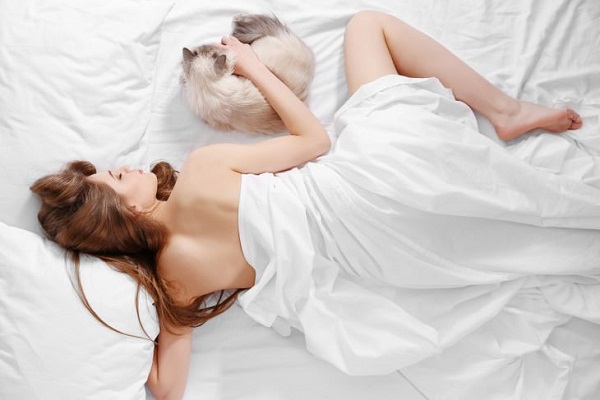
If you're curious about sleeping naked, there's no need to make a dramatic lifestyle change.
Try it for several nights and pay attention to:
How quickly you fall asleep
Whether you wake up during the night
Whether you feel too hot or too cold
Whether you sweat less
How comfortable you feel in the morning
You can also experiment with loose, breathable sleepwear and compare.
The goal is to discover which environment works best for your body.
Sleeping naked isn't a miracle health hack, but it can have some practical benefits.
For certain people, removing clothing can:
Reduce overheating
Improve nighttime comfort
Reduce friction
Allow more airflow
Help manage sweating
And if those changes result in better sleep, they may indirectly support overall health.
But there is no strong evidence that sleeping naked alone dramatically improves metabolism, prevents disease, or changes hormones in a meaningful way.
The most important factor is sleep quality.
If you sleep better wearing loose pajamas, keep wearing them. If you sleep better without clothes, that's perfectly reasonable too.
There is no single "correct" way to sleep.
Some people love the freedom of sleeping naked, while others feel more comfortable wrapped in soft pajamas.
From a health perspective, the most important goals are simple:
Stay comfortably cool.
Avoid overheating.
Keep your bedding clean.
Choose breathable fabrics if you wear pajamas.
Maintain a consistent sleep schedule.
Prioritize enough high-quality sleep.
If sleeping naked helps you feel cooler and sleep more comfortably, it may be a useful habit. If it makes you cold, uncomfortable, or anxious, there's no reason to force it.
The healthiest sleep habit is ultimately the one that helps you sleep well, consistently, and comfortably.
12 Everyday Foods That May Support Healthy Bl00d Flow
Your Body May Show These 7 Warning Signs of Heart Problems

What Eating Onions May Do for Your Health

5 Popular Dinner Choices That Could Put Extra Stress on Your Kidneys

Curcumin and Turmeric: What This Powerful Spice May Do for Your Health
Your Kidneys May Be Warning You: Early Signs and Prevention Tips

Why Ginger Deserves a Place in Your Diet: Benefits for Energy and Overall Health
6 Foods That May Support a Healthy Liver: 4 Vegetables and 2 Fruits
Tiny Red Spots on Your Skin? Understanding the Possible Causes

A simple boiled banana habit may support digestion, energy, and heart health.

Ginger is widely praised for its health benefits, but consuming too much may cause unexpected side effects and health concerns.
What your skin may be trying to tell you

Strange to Some, Nutritious to Millions

A Simple Shopping Habit That Could Help Protect Your Family's Health

What to ask your doctor before a colonoscopy: The most important question
Waking up like this? You should pay attention
The Truth About Breast Size and Hormones May Surprise You
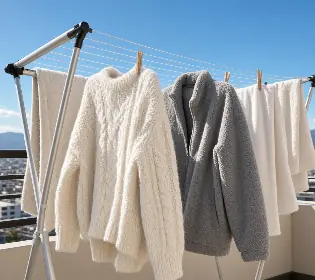
Japan’s Proven Approach to Drying Bulky Clothes Quickly and Effectively
If Your Elderly Parent Shows These Signs, Don't Ignore Them
12 Everyday Foods That May Support Healthy Bl00d Flow
The Soldier Who Went Back for His Commander
Your Body May Show These 7 Warning Signs of Heart Problems
This Simple Vinegar and Fabric Softener Mix Could Make Household Chores Easier
What Eating Onions May Do for Your Health
Loyalty is not staying when it is easy. It is returning when everyone else is leaving.
5 Popular Dinner Choices That Could Put Extra Stress on Your Kidneys
Curcumin and Turmeric: What This Powerful Spice May Do for Your Health
The Soldier Who Missed His Daughter’s Birthday
Your Kidneys May Be Warning You: Early Signs and Prevention Tips
The Rank Between Us
They laughed at the old soldie until he jumped into the flood.
THEY LAUGHED AT THE OLD MAN
Why Ginger Deserves a Place in Your Diet: Benefits for Energy and Overall Health
6 Foods That May Support a Healthy Liver: 4 Vegetables and 2 Fruits
The Soldier and the Earthquake